Garbage trucks was a super-fun theme! I was inspired by the book Every Monday Mabel by Jashar Awan, which was one of the nominees for my state’s early literacy book award, the Firefly. It didn’t end up being the winner, but it was definitely my daughter’s favorite of the bunch. It’s an excellent storytime title, with lots of great noises and opportunities for exciting reading.
In order to not do 10 repetitive rhymes and songs only about trucks, I also threw in a couple of trash-adjacent activities, so we did a Litter Bug rhyme and a really fantastic song by Nancy Stewart about raccoons. And using beanbags to represent trash was a nice way to break out a prop we don’t often get to play with.
Early Development Tip: Naming and categorizing things can be fun for children of all ages. Help children make sense of their world by grouping things that go together, such as items of similar colors, shapes, or items like knives, forks, and spoons at a table. –from The Early Literacy Kit: A Handbook and Tip Cards by Betsy Diamant-Cohen & Saroj Ghoting
Welcome Song: Hello, Friends*
Warm Up Song: Wake Up, Feet* This is a repeated song that everyone seems to enjoy. I always begin and end with feet and tummies, but find two other body parts to wiggle in the middle. I rotate between elbows, cheeks, hips, noses, arms, chins, thighs, heads, shoulders, ears, knees, and fingers.
Lifting Rhyme: Toast in the Toaster*
Intro: Once a week, something really exciting happens at my house. The garbage truck comes! Does anyone like to watch for the garbage truck? It might be stinky, but it’s so exciting to see it lift up the garbage can and dump our trash! I’m so happy that we have garbage trucks to take away our trash, so let’s celebrate them!
In some places, garbage collectors work all night and line up in the morning to empty their trucks at the landfill. I rewrote this rhyme pretty completely, but the original was found in a document from a fellow Indiana library where I found several of my rhymes for this theme: Carmel Clay Public Library. The fact that it didn’t rhyme drove me crazy, but I also wanted to introduce the word landfill in addition to dump as it’s a bit more accurate and modern. Fingerplay: Morning at the Landfill Down at the landfill, right around nine See the garbage trucks waiting in line (show ten fingers) See them lift the garbage: Dump, dump, dump (bend fingers) Now they roll away with a bang and a bump (roll arms, clap) One rolls down MY street, engine a’roar (vroom!) To fill ‘er up again and gather more (ASL for more) Source: Ms Emily Library
Transition: If You’re Ready for a Story*
Mabel is such a great character – she is determined, she is persistent, and she is enthusiastic about her interests! Every group loved hearing her story. Awan is quickly becoming one of my go-to authors! Read: Every Monday Mabel by Jashar Awan
A much older title, but a good back up. I like a repeated phrase to encourage participation. Backup Read: Trashy Town by Andrea Zimmerman, David Clemesha, & Dan Yaccarino
Can YOU pretend to be a garbage truck? Another one I changed a bit to make the rhyme scheme be closer to the original tune. I also explained what the hopper and cab were before we started, and demoed opening our hopper (bringing a bent arm up from our side) and driving in our cab (the other hand holding a steering wheel). At the end we tipped over the hopper side VERY similarly to a teapot! Action Song: I’m a Little Garbage Truck (tune of I’m a Little Teapot) I’m a little garbage truck, trash is what I grab Here is my hopper, Here is my cab When I get all filled up, the dump is on my route Just tip me over and dump the garbage out Source: adapted from Carmel Clay (IN) Public Library
It takes a lot of trucks to haul the garbage for a whole town! How many are here? I had this one ready, but didn’t end up using it to cut down on my time. I’m finding that my 1s & 2s have a shorter attention span and do better when we end slightly earlier and have more time for play.Download a copy of the garbage trucks here. (also includes Garbage Clean Up graphics) Counting Rhyme: Five Little Garbage Trucks Five little garbage trucks painted green Picking up trash to keep the town clean They work and they work until they fill up Now one of the garbage trucks drives to the dump! Back up: Beep! Beep! Beep! (count down) Source: Carmel Clay (IN) Public Library
Action Song: The Wheels on the (Garbage) Truck (tune of The Wheels on the Bus) The wheels on the truck go round and round Round and round, Round and round The wheels on the truck go round and round All through the town
Additional verses: The horn on the truck goes honk, honk, honk… The loader on the truck goes up and down… The reverse on the truck goes, beep, beep, beep… The driver of the truck says, “Job well done”.. Source: Carmel Clay (IN) Public Library
There’s an animal who lives in cities and is very resourceful, finding food wherever they can – even in your garbage! This was a total hit. I actually bought the Folkmanis raccoon in a trash can puppet on eBay just for this program, and I think it was money well spent. Check out Nancy’s page (link below in the Source) to see a video of her performing the song in a preschool. It is magic! I’m planning to repeat this song with the puppet for an upcoming Nocturnal Animals program in October. Puppet Song: I’m A Raccoon I’m a raccoon, I’m a raccoon, Ramblin’ around in the night I’m a raccoon, I’m a raccoon, you can see me if the moon is bright I’ve got rings on my tail, a mask on my eyes If you see me at night you might be surprised Oh I’m a raccoon, I’m a raccoon, ramblin’ around in the night
I’m a raccoon, I’m a raccoon, you better cover up your trash I’m a raccoon, I’m a raccoon, If you don’t I’m gonna steal your stash I’ve got rings on my tail, a mask on my eyes If you see me at night you might be surprised Oh I’m a raccoon, I’m a raccoon, I ramblin’ around in the night Source: Nancy Stewart
Isn’t he adorable?
Garbage trucks haul away our trash, but it’s up to us to make sure the trash gets into the bins and not on the ground. If no one used a trash can, our streets and parks would be full of trash. I walked around while tossing beanbags out of a bucket while reciting this one. The eyes got a bit wide at first – what’s she doing?! Then they all helped me pick up the “trash.” It was a fun way to pass out our prop! Beanbag Song: Litter Bug (tune of Itsy Bitsy Spider) Once there was a litter bug Who went from town to town Throwing out his garbage That landed on the ground The garbage grew so high That when he turned around The litter bug got buried And could not make a sound! EEK! Source: Yogibrarian
Just a little generic bean bag rhyme to give them some different things to do with the bag. Beanbag Rhyme: Beanbags Up Beanbags up (toss gently) Beanbags down (let drop) Beanbags dancing all around (toss from hand to hand) Beanbags on your shoulder, Beanbags on your head Beanbags on your tummy And tuck them into bed! (between hands) Source: adapted from the traditional Tommy Thumbs
Time to clean up! Can you help me match the beanbag color to the right garbage truck? I created four color-coordinated garbage trucks in Canva to print and laminate, then attached them to four bowls with jumbo craft sticks to gather up the beanbags. It was a bit chaotic when I announced this, with all the kids rushing up to put their beanbags in the bowls, so I just read the rhyme over the chaos. Next time I would have us all read the rhyme together before putting the bowls out for them to put their bags in.Download a copy of the garbage trucks here. (also includes Five Garbage Trucks graphics) Beanbag Rhyme: Garbage Clean Up Garbage trucks, garbage trucks Cleaning up the town Do you see any garbage lying around? Pick up the trash and match it to a truck Soon the whole town will be all cleaned up Source: Miss Sarah’s Storytime
Action Song: Zoom, Zoom, Zoom!*
Craft: Garbage Truck I think this is the third time I’ve done this craft, but perhaps the first time I’ve blogged about it. I use a coloring sheet of a garbage truck that I’d saved years ago and provided multi-colored tissue paper squares and liquid glue, as well as crayons. After coloring their truck, they could crumple up the tissue squares and glue them to the truck to look like garbage. The tissue grasping and crumpling is great fine motor practice, and everyone always thinks the 3D art is really cool.
And I remembered to take a picture of the setup, too!
Play Time The toddlers have two laundry baskets of baby toys – rattles and cars, sorters and stackers, toy phones and spinners. For the older kids, I have foam blocks, soft food toys, puzzles, and a few other items that are a little more sophisticated than the baby toys. For Family Time, I gauge the overall age of the group and put out what seems right for them. We play for 5-10 minutes at the most, then I ring the bell and ask the kids to help me clean up. I think the clean up bit is good practice for them!
Goodbye Song: See You Later Alligator*
Other books I had available for families to browse (and may work for you on this theme) I Stink! – Kate & Jim McMullan King of the Dump – Tim Wynne-Jones & Scot Ritchie I’m Trying to Love Garbage – Bethany Barton Garbage Trucks on the Go – Beth Bence Reinke Revenge of the Raccoons – Vivek Shraya & Juliana Neufeld Hooray for Garbage Collectors – Tessa Kenan I Am Picky – Kristen Tracy & Erin Kraan Kitty – Rebecca Jordan-Glum The Duck Is Stuck! – Dana Regan & Berta Maluenda Construction Site: Garbage Crew to the Rescue! – Sherri Duskey Rinker & AG Ford
This storytime was presented in-person on 8/18 & 8/19/26.
Welcome back, readers! I hope you have had a wonderful summer. I personally love summer at the library – even if it is busy and sometimes exhausting. I love seeing how much our families love being here, the excitement of the littles, and the appreciation of grownups for giving them something fun to do.
Our library generally uses the theme and graphics from the Collaborative Summer Library Program, or CSLP, a national initiative that helps libraries plan summer programming. This year’s theme was “Unearth a Story,” and we used some of the weekly theme ideas from the CSLP manual and used them mainly to choose a weekly book and rhyme for our outdoor storytime with sensory stations. I do have an indoor backup option when the weather is bad, but this year I only had to do that once, thankfully. When we are outside we have plenty of space, so I’m happy to take all comers, but if we’re indoors I do need to conform to fire code, so I ask for registration but make a note that if the weather is good anyone can come even if the program is “full.”
For each session, we spend about 15-20 minutes of storytime rhymes, songs, and a book, including parachute play, then 20 minutes of free play at various sensory stations. We end with bubbles and a goodbye song. Stations are a really great way to promote socializing, practice skills like sharing and being gentle, and allow for unstructured play, which science tells us is so important to learning and development.
If you’ve been following the blog for a while, much of this may be familiar, but I did add some new stations or different spins on old stations this year. You can see previous summer program write-ups here.
I don’t think any of my colleagues took photos of the group this year, so here’s one from a previous year.
Repeating Weekly Plan Each week, the structure of the storytime was the same, with only two parts that changed depending on the theme: a themed rhyme and the book. (Stations changed weekly.) All the other songs and rhymes were the same:
Welcome Song: Hello, Friends (tune of Goodnight, Ladies) Hello, friends! Hello, friends! Hello, friends, it’s time to say hello! Hello, [name 1], hello, [name 2]! Hello, [name 3], it’s time to say hello! (repeat as needed) (ASL motions: salute for “hello,” then take the index fingers on each hand and you link them together as though they are hugging each other back and forth for “friends”) Source: Glenside Public Library District
Warm-Up Rhyme: We Wiggle and Stop (Use the ASL sign for the word “stop” – one hand “chops” across the opposite hand) We wiggle and we wiggle and we STOP We wiggle and we wiggle and we STOP We wiggle and we wiggle and we wiggle and we wiggle And we wiggle and we wiggle and we STOP (We wiggled every week, but then added 2 more motions. Motions we did throughout the summer: stomp, twirl, jump, climb, run, stretch, march, tiptoe, wave, sway, roll [arms,] hug) Source: Jbrary
Intro: Our theme this summer is Unearth a Story. That means we are digging down to find some amazing things. Short intro to the weekly theme (see below)
Themed Song/Rhyme (see below)
Transition Song: If You’re Ready for a Story (tune of If You’re Happy and You Know It) If you’re ready for a story, clap your hands (clap, clap) If you’re ready for a story, clap your hands (clap, clap) If you’re ready for a story, if you’re ready for a story, If you’re ready for a story, clap your hands (clap, clap) Source: Miss Keithia (my predecessor)
Themed Book(see below)
Parachute! It’s time to get out our parachute and see what kind of fun we can unearth! We have two different parachutes – one is a smaller (maybe 8′?) that I use indoors on occasion (and we used as an art station as you’ll see below in the Repeated Stations section), but the one I use outdoors is much bigger – maybe 20′ in diameter.
Let’s start by doing some digging. As I mentioned in this post, these three parachute activities just came to me last March as I was starting to plan summer reading. The trick to this one is remembering which direction your voice is supposed to go, especially if you are used to singing the original. I figured out that “First level” should be the same note as the word “dig” in the last line above it, “Dig along with me!”I usually did this one twice, the first time finding something ordinary (a pebble, acorn, worm, etc) and the second time finding a dinosaur bone, which leads into the next song. Parachute Song: Let’s Go Digging (tune of Let’s go Riding on an Elevator) Let’s go digging deep in the earth, in the earth, in the earth Let’s go digging deep in the earth, dig along with me! [Let’s pretend this is the ground level and dig down!] (start with chute high and high voice) First level, second level, third level, fourth level, fifth level… (voice goes down) [Oh, look! I found a fossil!/buried treasure/worm/dino bone] And up, up, up, up, up! (voice goes up) Source: piggyback lyrics by Ms. Emily Library
Dinosaur fossils can be found underground. Can you pretend to be a dinosaur? Can you be a MARCHING dinosaur? This was a favorite – I even had adults singing along with me. I always did this one three times. The first time we marched. Then I said, “Can you pretend to be a tiny dinosaur, trying to sneak past a big T-Rex? Let’s be quiet and TIPTOE!” The third time I said, “Oh, no, the T-Rex saw us! Now we have to RUN!” and did it very fast. At the end I’d say, “Whew! We got away!” I wasn’t sure how well they could “make the parachute flat” but honestly they did pretty great! Parachute Song: We Are the Dinosaurs We are the dinosaurs, marching, marching (wave chute in steady beat) We are the dinosaurs, whaddaya think of that? We are the dinosaurs, marching, marching We are the dinosaurs we make the earth flat (pull parachute back to make flat) (tiptoeing, jumping, running, etc) Source: Laurie Berkner, from the album Whaddaya Think of That?
Breathing Break Whew, I am out of breath from all that running! I’m ready for a breathing break. Let’s take a big breath in and lift the parachute up, then breathe out and lower it. We’ll repeat a few times.
At this point the kids are usually darting under the parachute, so I go with it! Okay, if grown-ups can grab the edges of the parachute, kids can go underneath if they want (if you prefer to just watch from the outside, that’s always fine!) Let’s start by waving low and slow. Another rhyme that somehow came to me in the middle of the night! It worked very well – the grownups quickly caught on to when to raise and lower the ‘chute. The kids loved that last line when the parachute comes down on top of them! We did it twice each week. Parachute Rhyme: I’m a Worm I’m a worm and I’m wiggling so slow (wave low, slowly) I help to make the flowers grow (raise parachute high on “grow”) But when I see a bird I wiggle quickly down (wave and lower chute quickly) Where I can wiggle and play underground! (wave low to ground) Source: original (Ms. Emily Library)
Okay, grown ups – for our last parachute song we’re going to let the parachute fly – so let go at the very end after we count down and I say “FLY.” Parachute Song: Parachute Fly (tune of Skip to my Lou) (kids go under the parachute and adults raise and lower) Up, up, up it goes, Down, down, down so low Raise our parachute to the sky Count to 3 and watch it fly Spoken: Up on one… Down on two… Up on three… and FLY! (adults let go and leader pulls ‘chute in to themselves) Source: Gymboree
Release to Stations This year I had I had nine stations each week, which involve a mixture of dry, wet, and art/creativity stations. We spend about 20 minutes before I ring the bell to call everyone back to the grassy area. See more detail below.
Everybody loves bubbles! The trick to doing bubbles outside is to figure out which way the wind is blowing and get upwind of your group! Recorded Bubble Song: Pop, Pop, Pop by Nathalia From the album “Dream a Little,” available on Spotify
Goodbye Song: See You Later, Alligator (tune of Clementine) See you later, alligator (wave with one hand, then the other) In a while, crocodile (open and shut arms like a croc’s mouth) Give a hug, ladybug (hug yourself or a loved one) Blow a kiss, jellyfish! MWAH! (move hand like a jellyfish then blow a kiss!) Source: King County Library System
Repeated Stations There are a few stations that I use every single week. They are easy but popular, and I like having a mix of familiar and novel stations. You can see stations for the individual weeks below, but these were available all summer.
Pouring Station So simple, so easy, yet so compelling! I a few years ago, I asked coworkers to collect clean plastic recyclables with wide openings and visited Goodwill for some additional pitchers. We had measuring cups and funnels in our materials, as well as a hard plastic baby pool, which is the perfect container. I fill the pool with the plastic bins and fill them randomly with water, plus some extra in the pool. Original idea from Busy Toddler.
Kinetic Sand I have a few kids who go to this station every week and stay there the whole time! I have two big clear plastic bins (which are actually drawers from an old storage bin, kinetic sand, and recycled fruit cup containers that had fun shapes and plastic shovels. This year we added some other fun things in different weeks – the plastic dinos from week one’s art station, worms, jewels, plastic gold coins, etc. I kept a sheet underneath this station to catch any stray sand that escapes the bins. Because the sand is not taste-safe, I do warn the caregivers that if their kiddo is still exploring with their mouth, they may want to skip this station.
Color the Parachute My library has an interesting smaller parachute (maybe 8 foot diameter?) that came plain white and was advertised as “decorate it yourself!” When I inherited it, there were a small scattering of names from who knows how long ago and the rest was depressingly empty. In the last few summers I was determined to fill it up. I laid it out each week and set it as a station inside the gazebo, with a small handful of permanent markers. I’m happy to say that it looks MUCH better now, and it’s super fun for me to look at the names and remember kids who have aged out of my programs. There’s still plenty of space to draw and write, so I imagine I’ll be using this as a station for at least a few more years.
Rinse Station Okay, so this isn’t really a “station” where kids come to play, but it was a creative-by-necessity solution for me doing messy art outside where there wasn’t access to a sink to wash hands. I just got two buckets (I think they were from the car wash area in Walmart!), fill them with water and put dry towels nearby. I don’t have to worry about going through tons of wet wipes or paper towels, it’s an easy way to soak my paint-messy art materials at the end of the program, and it’s just a simple solution.
Intro: This week we’re talking about dinosaurs! We know about dinosaurs because people have *unearthed* their bones.
I varied whether I did the themed song or the book first, just depending on what made the most sense to me.
Themed Ukulele Song: One Dinosaur Went Out to Play (tune of Five Little Ducks) One dinosaur went out to play By a giant fern one day She had such enormous fun That she called for another dinosaur to come: Oh, Diiiiiiiiiinosaur! (slap hands on thighs)
(count up to 5) Last line: …That they played until the day was done! Credit: Mel’s Desk
Themed Read: Dig, Dig, Dinosaur by Anjali Goswami & Maggie Li. I love that this is written by an actual paleontologist, and the big flaps and die cuts make it really exciting. I asked everyone to get out their shovels and “dig, dig, dig” when I read that part.
Week 1 Stations I don’t feel the need to theme every station to every week, but if there’s a way to add a little of the themed flair in, I am all for it. That was an easy thing to do with a dinosaur theme! So our art station and movement station were dino themed, and I threw in an extra dinosaur dry sorting station I had made in the past.
Pool Noodle Soup (Wet) I cut sections of pool noodles and used them in different ways, starting with this wet station. (The dry station shows up week 2.) I two identical plastic containers and added water, the noodles, some ladles and slotted spoons. Original idea (and photo on the sign) from Happy Toddler Playtime.
Fly Swatter Slap(Wet) Again, using my materials in different ways by using flyswatters in both wet and dry stations on different weeks. The wet station included the (clean) swatters and ping pong balls that I drew flies on plus some squeeze bottles, and uses two drawers from a plastic bin container. The swatters were hand-shaped and different colors. Original idea (and photo on the sign) from My Bored Toddler.
Beanbag Sort (Dry) We have these beanbags from Lakeshore Learning that are different colors and shapes. They’re a super easy station where kids can play and sort with them in several ways.
Craft Stick Sort (Dry) I made these a few years ago – I noticed I had these boxes of dot painters that have small holes already in the top. I colored a ring around each hole a different rainbow color and added colored craft sticks for a fine motor and color identification station. The colored rings are getting a little faded so next year I’ll have to re-color them! I put them in the small plastic bins I store the kinetic sand in so they don’t get wet in the dewy grass or lost too easily.
Clothespin Dinos (Dry) This is another station that I had made several years ago, and seemed perfect to add to a dino themed week. Kids match the numbered and colored clothespins to the correct stegosaurus and work on their grip strength at the same time. I talk more about making these at this post from 2022. Download a template for the Clothespin Stegosaurus here!
T-Rex Slalom (Dry, Movement) This year I decided to add a movement station each week. This was an easy one to make with our athletic cones. I printed some T-Rex graphics and laminated them, then taped them to the sides of the cones and provided some beanbags for an extra challenge. The cones are pretty close in the picture – they got spread out a little more when we started.
Dino Prints (Art) I can’t believe I didn’t get a setup picture of this one! We purchased a set of plastic dinosaurs and used them several times throughout the summer for various stations, but this was the first one. I added fun neon tempera paint to some containers (cleaned out Lean Cuisine trays are a great size and shape for dipping paint crafts!) and set the dinos out. I did have my sample that I created for a virtual storytime, so there’s a photo of that. The dinosaur feet weren’t completely flat, so it was a bit more difficult to get a good print than I had expected, but it didn’t seem to matter much to our participants.
Intro: This week we’re talking about buried treasure. Have you ever imagined following a treasure map and finding something shiny buried deep and hidden away?
This was a cute one, although the commentary by the brother felt a little awkward to me. Themed Read: What a Treasure! by Jane & Will Hillenbrand
Are you ready to do our own treasure hunt? Themed Rhyme: Going on a Treasure Hunt We’re going on a treasure hunt! (call and response first 3 lines) I’ve got my shovel I’m not scared Uh-oh, look at that tall, wavy grass We can’t go over it We can’t go under it We have to go through it Swish, swish, swish, swish
(additional verses) Uh-oh, look at the big, wide river… Splash, splash, splash, splash Uh-oh, look at all that mud… squish, squish, squish, squish Uh-oh, Look at that deep, dark, cave! Creep, creep, creep, creep
Look, there’s the treasure chest!, It’s full of treasure! Hooray!! Uh-oh, what’s that sound? It’s a pirate!! Run!!! Quick, back through the cave! Creep, creep, creep, creep Run through the mud! Squish, squish, squish, squish Swim the river! Splash, splash, splash, splash Run through the grass! Swish, swish, swish, swish Run through our yard! Up the stairs, Into the house, Close the door Whew! We’re safe, That was a close one. Let’s not go treasure hunting anymore Source: The Kiboomers
Ice Treasure Hunt (Wet) I did a version of this in 2023but it feels like it worked out better this time. Instead of using a quart-sized container, I used some sandcastle buckets we have, layering a few treasures at a time and adding water to make a big block of treasure-filled ice. The containers had a good amount of texture along the sides so it was harder for the layers of ice to detach and float to the top of any new water layer. There were also some large Halloween candy bowls that I used as well, which were harder to keep the layers from floating, but we managed it somehow. We had two days of this station, so we made four ice blocks total. Inside were fake gold coins, medium sized seashells, some of our dinosaur figurines from week 1, large plastic diving gems, large 2″ pompoms, and river rocks. I filled the big drawer bins with just a few inches of water from the hose, then provided the orange buckets (sans ice) and squeeze bottles filled with water as hot as I could get it from the tap. When we released to stations 20 minutes into the program, the water was warm but not too warm, and I put the ice blocks in the bins from a cooler. The kids really worked diligently to get the treasure out, and the blocks were big enough that there was still ice left at the end of the program! I realized that the treasure was kind of fun stuff, but I didn’t want kids to be taking it home, so I put out a basket nearby with a sign as our “Treasure Chest.” The sign asked kids to collect the treasure in the chest to save for the next group. I found the photos for the sign at Kids Activity Zone. The first photo shows the bins with just water – I kept the ice blocks in a cooler until it was station time. But I was able to snap a couple of pictures of the kids playing!
Mystery Water (Wet) Inspired by this Pinterest pin from bright_little_brains, I used some plastic cookie cutters we had in storage, traced their shapes on a large sheet of paper, and laminated. The water was mixed with a few tablespoons of cornstarch and several drops of food coloring to make the water murky. I also added some of my toy pirate gold to each bin. Unfortunately, the cookie cutters weren’t very heavy and kind of floated to the top, but it wasn’t a disaster and the kids enjoyed the activity anyway.
Pool Noodle Sort (Dry) Using the pool noodle slices (from Pool Noodle Soup), I taped a dowel rod to four small plastic cones in red, green, yellow, and blue. Kids could then thread the colored noodles on to the cones. Original idea from this Pin (no blog).
Feed the Croc (Dry) I’d made one of these a couple years ago but it somehow got used and broken in the meantime. My kind coworker then made me two replacement crocodiles! With a few metal tongs at Goodwill and ping pong balls, it’s a cute fine motor station. Nom, nom, nom! Original idea from Mama OT.
Beanbag Toss (with hula hoops) (Dry/Movement) A simple beanbag toss for this week’s movement station – I used square beanbags and two hula hoops.
Dot Painting (Art) Using our stash of dot painting markers, I created dot coloring sheets that had to do with our themes – a pig in mud, treasure chests, sand castle, treasure map, and some dinosaurs. Did you know you can make any traditional coloring sheet a dot sheet just by adding circles? I do it in Canva and it’s pretty easy. I keep the dots at about .5″ to .75″ in diameter and just add them to big areas. It works better with pages with big open spots rather than lots of detail.
Intro: This week we’re talking about worms! Worms are a little wiggly and slimy, but they are so cool! They help keep the dirt loose and full of nutrients so plants can grow.
The original on this one has Wiggly going back into a pocket and going to sleep, but since we’re talking about unearthing I had him go back down to the ground. Themed Rhyme: Wiggly Worm Wiggly is a wee worm who wiggles everywhere Can you keep your eyes on it as it wiggles here and there? Wiggly starts down at my toes And wiggles all the way up to my nose! It wiggles back down without a peep Digs a hole and goes to sleep Source: King County (WA) Library System
I got a good number of laughs at this one, but it felt like it was mostly from grownups. It might be a better choice for the preschool set. My backup is the very sweet How to Say Hello to a Worm by Kari Percival, and I think it may have been a better choice. Themed Read: What About Worms!? by Ryan T. Higgins
Ping Pong/ Worm Fishing (Wet) This was basically a station I’d done before, Ping Pong Fishing, but with fake fishing lure worms added in. I didn’t even change the sign. I had written the alphabet on ping pong balls and used them, the worms, and colanders, sieves, and slotted spoons in the bin. Original idea (and photo on the sign) from the Imagination Tree.
Lemon Sensory Bin (Wet) Mm, this is always one of my favorite stations! It’s super easy and smells so good. I bought a bag of lemons and we divided them among our sessions, which ended up being about 1.5 lemons per day. We cut them up into slices and added them to a bin with water along with ladles. I did announce that there was a lemon bin before breaking for stations just in case there was an allergy issue, but no one had a problem. Original idea (and photo on the sign) from Taming Little Monsters.
Colored Ball Sort (Dry) This ball sort and drop was made a few years ago with Baker & Taylor boxes (RIP), but oriented different ways so one was tall and skinny and one was low and squat. I had purchased ball pit balls and supplied different colors to each box. Original idea from Taming Little Monsters.
Pompom Sort (Dry) An easy station – I just saved a couple of egg cartons, then poured a handful or two of different colored/sized pompoms into them and provided small metal ice tongs. After a couple of years, my egg cartons are starting to get a little raggedy, so I’ll plan to replace them next year! Original idea from Laughing Kids Learn.
Worm Art Finger Painting (Art) I knew I wanted to do worm art, so used some of the fake fishing lure worms from the worm fishing (there were plenty in a pack) and provided finger paints for process art. I think the way the worm rings showed up in the artwork was really very cool. I saw quite a few blogs who were doing something similar, but none of them had pictures that conveyed what I wanted when I was creating the sign, so I found a nice photo of spaghetti painting from The Imagination Tree that worked really well.
This was a left behind page, but it’s so cool how you can see the worm rings!
Intro: So far we’ve talked about very BIG things and very SMALL things, Dinosaurs and worms. But wait, not all dinosaurs were BIG!
Themed Read: Tiny Dino by Deborah Freedman I didn’t read the “facts” that went along with the story, but very briefly explained them if they weren’t self evident.
I’ve known this rhyme for a very long time, but it always stopped at “yes, yes, yes, no, no, no.” But sometime before summer I saw a woman on Instagram doing the rhyme with her baby (which I definitely need to incorporate into Book Babies) and she had a whole other verse! I added it on here and we enjoyed especially the great big hug. Action Rhyme: This is Big, Big, Big (extended version) This is big, big, big (hold arms out to side) This is small, small, small (cup hands together) This is short, short, short (flat hand lowers) This is tall, tall, tall (flat hand reaches up) This is fast, fast, fast (circle fists quickly) This is slow, slow, slow (circle fists slowly) This is yes, yes, yes (nod head) This is no, no, no (shake head)
This is up, up, up (reach up) This is down, down, down (reach down) This is square, square, square (trace a square in the air) This is round, round, round (trace a circle) This is left, left, left (shake left hand) This is right, right, right (shake right hand) This is great big hug and hold on tight (hug self or grownup) Source: Mel’s Desk, 2nd half adapted from IG happybabbler
Sponge Play (Wet) Another repeat from years past, but very simple and popular with the littlest ones. I have some simple shapes like rectangles, squares, triangles, and circles, but there are also some ocean animals in there since I made them when the SRP theme was “Oceans of Possibility.” Original idea (and photo on the sign) from Little Lifelong Learners.
Scooping Blocks (Wet) Lego Duplos plus water and scoopers! This one was fun for its obvious purpose, but added bonus: some kids actually took the Duplos out of the water and put them together! We had all the Duplos already, and I added some of the sorting blocks from our baby toys to the mix, as well as ladles, colanders, and sieves. Original idea (and photo on the sign) from My Bored Toddler.
Racquet Balance (Dry/Movement) This actually turned out to be one of the most popular of the movement stations, primarily with older siblings who enjoyed flipping the square beanbags like pancakes. We got most of our athletic equipment from a grant from the Young Athletes of the Special Olympics, and it’s been really nice to have. I reused the T-Rex cones, too.
Ice Painting (Art) Again, somehow I missed getting a picture of this one. But it’s always got a wow factor, and I get questions from multiple adults on how I made the ice cubes. I use liquid watercolors – 5-6 drops per cube filled the rest of the way with water. Small craft sticks make a handle, and I keep the ice cube trays in a cooler in the shade until we’re ready for stations, then get them out to use. They do melt a bit as the program goes, but you actually want that to get the paint going. Photo shared here was from 2023, on a day that we were indoors. Original idea (and photo on the sign) from ARTventurers.
Intro: This week we’re talking about the earth itself – in other words, DIRT! Dirt can be very fun to play with. Have you ever made a mud pie?
Themed Action Chant: Make a Mud Pie Make a mud pie in the mud, mud, mud (pat lap) Digging… (digging motion downward) Scooping… (scoop hands upward) Patting (pat hands in air) It’s so much fun! (hands out, emphasizing)
[Where else should we make a mud pie? How about our head!? Scoop together some mud…] Make a mud pie on your head, head, head… (pat head) Digging… Scooping… Patting… It’s so much fun! (repeat: toes, tum) Source: Tacoma Public Library
I thought this one would go over better than it did – maybe it was just a touch too long? I liked that it talked about a lot of the topics from the previous few weeks, including treasure and worms! Themed Read: Roy Digs Dirtby David Shannon
Dino Bath (Wet) My first year doing outdoor stations I did an animal washing station, which included two bins of dirt and two bins of clean water with soap in it. I didn’t want to just dig dirt from outside and I didn’t want potting soil with fertilizer in it, so I bought this coconut coir which really didn’t work very well – the water didn’t absorb and it never really made “mud,” which was my intention. This year I wanted to do dino washing, but was trying to think my way around the issues I had the first time around. Then I saw this post from Busy Toddler and they framed it as a Dino Bath, which eliminated the need for the mud and solved all my problems. I had everything I needed: dino figures, no tears baby shampoo, kid toothbrushes and dish scrubbers. The baby shampoo bottle is included in the photo for the blog, but I put it away during the program.
Ice Play (Wet) Another repeat from years past. I bought a large bag of ice each morning before my program and kept it in a cooler, adding it to the bins JUST before they were played in (so there’s no ice shown in the photos I took before the program). Ladles, colanders, and sieves were added for handling the ice. I reminded everyone to take a break if their fingers started to get too cold. Original idea (and photo on the sign) from Busy Toddler.
Ball Toss (Dry/Movement) We had two semi-soft balls in our athletic equipment, but I was hoping to have some more, so I added some round fish squirter bath toys that we had in our prize stash from many years ago. Add buckets and you’ve got an easy movement station.
Fly Swatter Painting (Art) A messy but very fun art project, using (re-using) supplies from other stations. Kids wielded fly swatters to slap at paint, making some very interesting abstract art. I think the best method turned out to be adding some dots of paint to the paper, then letting the kids aim for them, rather than trying to spread paint on the swatter. I’m grateful for good weather all that week, since this is very much an outdoor activity. Original idea (and photo on the sign) from Play Teach Repeat.
Intro: This week we’re talking about stories of the past, which can take some digging to find. Have you ever heard a story from your parents or grandparents about what life was like when they were little kids?
Here’s a silly rhyme about a grandma and a grandpa – they both wear glasses and hats! I really emphasize grandpa’s glasses and hat being BIG and use a low growly voice, and of course we do loud snores. Action Rhyme: Here are Grandma’s Glasses Here are grandma’s glasses (make circles around eyes) And here is Grandma’s hat, (fold hands on top of head) Here’s the way she folds her hands (fold hands) And puts them on her lap. (place hands in lap)
Here are Grandpa’s glasses, (make BIGGER circles around eyes) Here is Grandpa’s hat, (make BIG hands on top of head) Here’s the way he folds his arms (fold arms) And has a little nap. (pretend to sleep/snore) Source: Storytime Secrets
Such a beautiful book. I got a lot of smiles for this one. Themed Read: Alma and How She Got Her Name by Juana Martinez-Neal
Flower Sensory Bin (Wet) To stock this bin, we ask our local Kroger florist for donations of flowers and greenery that are past their prime and may be destined for the trash. This year, they gave us a whole pail full of cuttings, with lots of variety, including roses, mums, carnations, and even a sunflower. A true sensory feast!
Whisking Bubbles (Wet) Using our trusty no-tears baby shampoo once again, this was a simple set up with water, soap, whisks, and a few measuring cups for scooping. I love the way this one smells. I included the shampoo bottle in the photo for this blog, but did not have it out during the program.
Beanbag Toss with Buckets (Dry/Movement) We did a beanbag toss in week two, but switched to bucket targets instead of hula hoops this time around. (In week two, the buckets were being used for the Ice Treasure Hunt.)
Chalk Art (Art) Because the area where we do outdoor storytime has bricks laid down instead of concrete, we can’t really do chalk art on the ground (if we did, that’s totally what I’d do here!). Instead, I provide black construction paper with the sidewalk chalk and let them be creative!
I took a few extra photos this year, to help give a sense of our space and layout. If you ever have questions about any outdoor storytime or sensory stations, feel free to ask!
A wide angle of our space, showing the gazebo to the left, picnic table to the right on bricked area, with a large grassy area beyond, with sheet-covered stations along the left and across the back near the library building in the background.
Another shot of the stations covered in sheets, and the wide grassy area where families can lay their blankets or camp chairs, as well as where we do our parachute activities.
The storytime cart, showing the large parachute and extra sheets on the bottom shelf, a basket of small items (sunscreen, extra batteries, pencil, bell, tissues, etc), a bottle of bubble solution, fish-shaped bubble machine, and extra towel on the second shelf, and the personal PA speaker, water cup, books, and storytime plan on the top.
Back to indoor storytimes next week – upcoming themes include Art, Garbage Trucks, Ice Cream, and more!
Bugs is such a fun theme – there are so many kinds of bugs and so many ways to think about presenting a program on them! Even though “bugs” is not a scientific category, I like using it as it can include all kinds of creepy-crawlies including insects, arachnids, worms, snails, and even terrestrial crustaceans (AKA roly poly pill bugs!) My colleague planned this one, and I love the different ways she incorporated bugs in the stations. We used one of my flannels, Going on a Bug Hunt, which is a really nice activity that spans the age ranges that we’re seeing.
This was our last storytime of May, and our last indoor Stories & Stations* for the foreseeable future. In June and July we will be doing Stories & Stations outside, and when we return in August we may have a new staff member and possible rethinking of how and what we offer 0-5 year old kiddos in our community. I generally don’t blog over the summer months, so you probably won’t see me again until August – I hope everyone has a great summer! And one last note – if you are someone who maintains your library’s Storywalk, I’ve added quite a few new titles in the last month or so – submissions and ones I’ve done. These include a fun BUG one (Bug in a Bog by Jonathan Fenske) and our newest for the SRP theme Unearth a Story – Sam and Dave Dig a Hole by Mac Barnett & Jon Klassen.
*We are doing a new format for our storytimes in a transition period of personnel change and calling it Stories & Stations (you can read the whole saga of the whys and hows at this post.)
Early Development Tip: When you enjoy a book, let your child know that you like it and why. Sharing your enjoyment gives them a positive attitude toward books. This positive attitude carries over when they get to school and start learning to read. Let your child choose their books and tell you why they like them. –from The Early Literacy Kit: A Handbook and Tip Cards by Betsy Diamant-Cohen & Saroj Ghoting
Welcome Song: Hello, Friends* Even with a larger number of kids, I still go around and sing this with everyone’s name. The kids really do love it, and it helps me learn names and storytime participants to learn each others’ names.
Lifting Rhyme: Toast in the Toaster* Okay, this one *seems* to be better for younger kids, but all I have to do is encourage the older kids to jump as high as they can at the end and it is instantly perfect for a 5 year old, too. I always give the option for a lap bounce and lift as well.
Intro: Our planet is home to millions of different kinds of bugs, each with their own special “job.” Some help pollinate the flowers (like bees & butterflies). Others like to eat old leaves and turn it into fresh soil (like worms & beetles). And many bugs are food for other animals (like birds & anteaters)! Whether they crawl, hop, or fly, every bug plays a vital role in keeping our environment healthy and vibrant. Let’s read about some bugs!
Transition: If You’re Ready for a Story*
Straight into our book this week! This is such a perfect book, as it showcases so many bugs and the things they do, with a really short text that’s great for all ages. Read: Some Bugs by Angela DiTerlizzi & Brendan Wenzel
A great backup with Cousins’ signature bright, bold colors. Backup Read: A Good Place by Lucy Cousins
So let’s go on our own bug hunt! Similar to Going on a Bear Hunt, but without the “Can’t go over it…” parts. Each time we get out a new flannel piece, they get excited! Then we do a little motion or sound to go with each. I only ended up doing bee, butterfly, ladybug, ant, and roly poly (who curls up when you flip him over). Flannel/Rhythm Chant: Going on a Bug Hunt Pat lap in rhythm and repeat between each bug: We’re going on a bug hunt! (We’re going on a bug hunt!) We’re going to see some big ones. (We’re going to see some big ones.) What a sunny day! (What a sunny day!) Are we ready? OK! (Are we ready? OK!)
Oh, my! A bee! A black & yellow bee, Flying over the flowers. BUZZ Oh, my! An ant! A tiny, black ant, Crawling through the grass. SHH Oh, my! A grasshopper! A big, green grasshopper, Hopping around the tree. BOING Oh, my! A butterfly! A pretty, orange butterfly, Floating in the sky. WHOOSH Oh, my! A spider! A big black spider, Creeping on the tree. CREEP Oh, my! A ladybug! A bright red ladybug, climbing up a flower. CLIMB Oh, my! A roly-poly! A gray, armored roly-poly, hiding under a rock. ROLL Source: adapted from Small Town Story Time Lady Blog
Let’s get out our scarves! Can we roll our scarves like a roly poly pill bug? Time for props! Scarf Rhyme: Roly Poly (roll scarf accordingly) Roly poly, roly, poly, up, up, up Roly poly, roly, poly, down, down, down Roly poly, roly, poly, out, out, out Roly poly, roly, poly, in, in, in Roly poly, roly, poly, BIG, BIG, BIG Roly poly, roly, poly, very, very small Roly poly, roly, poly, fast, fast, fast, fast, fast! Rol…ly… po…ly… in… your… lap! Source: Rebecca Jane Flanagan
Bugs have to pay attention to the weather, too. Scarf Song: Rain Is Falling Down Rain is falling down (flutter scarf down) – SPLASH! (sweep scarf to the side) Rain is falling down – SPLASH! Pitter patter pitter patter (wave scarf up and down quickly) Rain is falling down – SPLASH!
Sun is peeking out – PEEK! (hide behind scarf, then peek) Sun is peeking out – PEEK! Peeking here, peeking there, Sun is peeking out – PEEK! Source: Jbrary
Here’s a song about a spider who goes UP and DOWN. Can you make your scarf into a spider? This was pretty easy to convert to a scarf song – we gripped our scarves in the middle to simulate a spider, climbed her up the spout, then the scarf becomes the rain falling. I held both ends above my head to make the sun before making a spider again. Scarf Song: The Itsy Bitsy Spider The itsy bitsy spider climbed up the water spout Down came the rain and washed the spider out Up came the sun and dried up all the rain So the itsy bitsy spider climbed up the spout again Source: traditional
Can you scrunch up your scarf in your hands and get small? We’re going to start this rhyme very quietly! Pretend to be a jumping spider! Scarf Rhyme: Jack in the Box Jack in the box (scrunch scarf up in fist) Sits so still Will he come out? Yes, he will! (throw scarf in the air) Source: Jbrary
After collecting our props, we released to stations! I let everyone know that I’d put out toys and puzzles in the current room, so they could stay if they wanted, and opened the door to the other room for everyone else to go to stations. I’m noticing that some of the youngest kiddos are staying to just play with toys the whole time and not bothering with stations, which is totally fine.
Art Station: Fingerprint Ladybug Bookmark My colleague Ali created this, drawing all of the little bugs! She said it was okay to share the template, which you can download here! Kids could stamp their fingerprints to make the ladybug bodies. We put out just a couple of colors – red, orange, and purple. Such a cute and simple craft!
Gross Motor Stations: Flower Pistil Leap We encouraged kids to buzz like a bee or flit like a butterfly from one flower to another for this simple station. Photographs of flower blooms were laminated and stuck to the floor with painter’s tape.
Fine Motor Station: Sorting Stations We put out several sorting stations on the rug for multiple kids to enjoy at once. One was a repeat from last week – the craft stick sort. There’s also a ball sort and drop that I have used for several summers past (made with Baker and Taylor boxes, RIP). The instructions I used to make them are from the Taming Little Monsters blog. Then Ali created a spider sorting box – it’s long and skinny and she drew adorable spiders coming down. Each spider body is a hole outlined in a color, and we provided pom poms to put through the holes.
Sensory Station 1: Bug Sensory Bins Another fun sensory bin, this time with uncooked rice colored green, with various plastic bugs, pom poms, fake flowers and foliage, and collecting/viewing cups to capture the critters!
Sensory Station 2: We also put the colored rice in shallow messy trays with letter cards to encourage finger tracing for the older kiddos. I pulled out the letters A N T and B U G to get them started and set the rest of the letter cards to the side.
Toys and Puzzles Our regular baby toys and puzzles, as well as soft food, babies in a basket, and lacing cards came out as another option for play. I didn’t capture a picture of this one.
After 20 minutes of free station time, I ring our bell to gather everyone again in the storytime room. Everyone helps put away the toys and puzzles before we end with our last two songs.
Action Song: Zoom, Zoom, Zoom!*
Goodbye Song: See You Later Alligator*
Other books I had available for families to browse (and may work for you on this theme) Bugs! Bugs! Bugs! – Bob Barner Hustle Bustle Bugs – Catherine Bailey & Lauren Eldridge The Gentleman Bug – Julian Hector Hello Bugs, What Do You Do? – Loes Botman A Way with Wild Things – Larissa Theule & Sara Palacios Six Little Sticks – Tiffany Stone & Ruth Hengeveld How to Say Hello to a Worm – Kari Percival Beehive – Jorey Hurley Step Gently Out – Helen Frost & Rick Lieder Giant Steps – Anaïs Lambert & Johanna McCalmont Bug in a Bog – Jonathan Fenske Becoming Charley – Kelly DiPucchio & Loveis Wise Holey Moley – Lois Ehlert Du iz tak? – Carson Ellis Bugs on the Move – Charlotte Guillain The Honeybee – Kirsten Hall & Isabelle Arsenault A Closer Look – Mary McCarthy One Million Insects – Isabel Thomas & Lou Baker-Smith
This storytime was presented in-person on 5/13 & 5/14/26.
This week we celebrated spring with a gardening theme! We are doing a new format for our storytimes in a transition period of personnel change and calling it Stories & Stations (you can read the whole saga of the whys and hows at my last post.)
I had worked with a community member earlier in the year to do a one-off all-ages drop-in evening program about gardens, so I reused some of those activities in the planning for this, and added a few others. Gardens and gardening is a fun theme – you can talk about flowers, vegetables, bugs, dirt, weather, the earth, and the environment – so many possibilities!
Early Development Tip: Helping children hear the smaller sounds in words, the syllables, by clapping them out is one way to develop their phonological awareness. Children can hear the syllables more easily than each individual sound in words. –from The Early Literacy Kit: A Handbook and Tip Cards by Betsy Diamant-Cohen & Saroj Ghoting
Welcome Song: Hello, Friends* Even with a larger number of kids, I still go around and sing this with everyone’s name. The kids really do love it, and it helps me learn names and storytime participants to learn each others’ names.
Warm Up Song: Wiggle and Wiggle and STOP* This week I went with garden themed actions so in addition to wiggling, we also did “dig” and “pick” – digging was a little frenetic, which is fun, but for “pick” I said that we’re picking some delicate berries, so we were very fastidious! Spinning the actions in different ways (do it slowly! Make your voice quieter! Pick as high up on the berry bush as you can!) is a great way to give this song some dynamics.
Lifting Rhyme: Toast in the Toaster* Okay, this one *seems* to be better for younger kids, but all I have to do is encourage the older kids to jump as high as they can at the end and it is instantly perfect for a 5 year old, too. I always give the option for a lap bounce and lift as well.
Intro: Today we’re talking about gardens and gardening. It’s fun to grow plants and this is the time of year we see little plants start to grow. In a garden, you can grow flowers or vegetables or fruit. Do any of you have a garden at home?
A garden can attract a lot of wildlife! Let’s see who else is enjoying our veggies! I made this flannel set awhile ago, it’s always nice to get more use out of them. For time, I only did the frog, crow, mouse, and worm. Guessing Game: Something In My Garden There’s something in my garden, Now, what can it be? There’s something in my garden,That I can’t really see. I hear its funny sound…. RIBBIT – RIBBIT – RIBBIT A … FROG is what I found! RIBBIT – RIBBIT – RIBBIT
Repeat with other animals found in a garden. Ribbit – Frog – bugs from a lettuce plant Thump – Rabbit – nibbling a carrot Squeak – Mouse – tasting a blackberry Caw – Crow – pecking at some corn Buzz – Bee – gathering pollen from a flower Wiggle – Worm – chewing an old leaf Flutter – Butterfly – sipping nectar from a hyacinth Source: Storytime Katie
Let’s play a game with some gardening words. We are listening for the syllables that make up the words – a syllable has the smaller sounds in words. I planned to do garden, flower, worm, vegetable, but was running behind so we only did garden and vegetable! Word Game: Super Duper Super duper, 1 – 2 – 3 Can you say this word with me? Say it! Clap it! Pat it! Tap it! Whisper it! Shout it! Practice words and separate the syllables for great early learning! Source: Betsy Diamant-Cohen & Saroj Ghoting
Transition: If You’re Ready for a Story*
This is an oldie but a goodie, and I make it interactive by telling the group to either stand up or raise their arms when I say UP, crouch or touch the floor when I say DOWN, and either spin their bodies or their arms when I say ALL AROUND. Read: Up, Down, and Around by Katherine Ayres & Nadine B Westcott
Another awesome title for my backup – I love the illustrations so much, especially that cool worm with his knee sock, sneaker, and hat. Read: Goodnight, Veggies by Diana Murray & Zachariah OHora
Let’s get out our ribbons! I know a song about a little teapot, do you? I was thinking about gardening, and something we use in the garden also has a handle and a spout – a watering can! So let’s be watering cans to help our gardens grow. We go straight to our props after the book! This week was our wrist ribbons. There’s no need to theme these prop activities, but if I can find some kind of thread, I can’t help myself. I kind of balled up the ribbons in my hand until the last line and let them be the “water” coming out. I am sure someone else could change the “steamed up” line to be more like a watering can, but I never got there. UPDATE: Miss Liz from the Bethel Library in CT sent me her PERFECT words to replace the “steamed up” line. Thank you, Miss Liz! I’ve updated the rhyme sheet. Ribbon Song: I’m a Little Water Can I’m a little water can short and stout Here is my handle, here is my spout When I get all steamed up then I shout: When it’s time to water then I shout: “Tip me over and pour me out!” Source: adapted from the traditional, with help from Miss Liz from the Bethel Library (CT)
I usually do this one as a shaker song, but it works just as well with scarves or ribbons. Ribbon Song: Wave Your Ribbons High (tune of Grand Old Duke of York) You wave your ribbons high You wave your ribbons low You wave your ribbons fast, fast, fast And then you wave them slow Source: Harris County (TX) Public Library
A garden needs pollinators like bees and butterflies! This one was originally a beanbag rhyme. It works really well with ribbons or scarves, too! For the last line, we threw our ribbons up in the air and caught them. Ribbon Rhyme: Butterfly, Butterfly Butterfly, butterfly in the sky Flap your wings and up you fly Back and forth to and fro Up, up, up and… Away you go! Source: Evansville-Vanderburgh Co (IN) Public Library
King County shows the first two lines as a chorus repeated between every other two lines, but for time I just did it straight through. The tune I did was something akin to Going to Kentucky (which I think sounds like some traditional clapping/jump rope songs like Miss Lucy had a baby…) Ribbon Song: I Have a Little Streamer I have a little streamer, I wave it in the air I wave it over here and I wave it over there It can be a flag waving way up high It can be a sailing ship slowly floating by It can be a carousel going round and round It can be a shooting star falling to the ground It can be a branch swaying in the breeze It can be a flying kite caught up in the trees Source: King Co (WA) Library System
After collecting our props, we released to stations! I let everyone know that I’d put out toys and puzzles in the current room, so they could stay if they wanted, and opened the door to the other room for everyone else to go to stations. I’m noticing that some of the youngest kiddos are staying to just play with toys the whole time and not bothering with stations, which is totally fine.
Art Station: Garden Process Art We cut the tops off brussels sprouts and celery into sticks to do some paint stamping, and also had brown paint and brushes and dried beans for kids to create their gardens however they liked. I was inspired by this post by Buggy and Buddy.
Gross Motor Stations: Weed Toss & Garden Yoga This is just a beanbag toss game with a sign to help kids imagine their beanbags are weeds in the garden that need to be pulled and tossed into the bucket. I also had a poster with “Garden Yoga Poses” over by the rug, but I didn’t see anyone doing them and I forgot to get a picture. The free printable poster is from Childhood 101.
Fine Motor Station 1: Seed Sorting Someone put this container on the free table in our break room – it was originally for tea, and has six compartments in a box with a hinged lid. It was perfect for this! I printed some labels and added some dried seeds from our seed library and beans from the sensory bins. There were tongs for older kids to practice, but anyone could sort the seeds using their fingers, too.
Fine Motor Station 2: Match the Seed to the Plant I did some extra stations since I had these activities leftover from the previous program. This was a set of cards that show a plant and a seed that could be matched. The cards are a free printable from Preschool Powol Packets. I did modify the cards: cards said something like “sunflowers” and “sunflower seeds” which felt too easy. I kept the label on the plant but removed it from the seeds.
Fine Motor Station 3: Cut/Tear the Grass I’ve used this activity before, and it’s a fun one. We put out safety scissors for the older kids, but younger ones can tear. It works on lots of developmental skills, including crossing the midline as well as pincer grip/scissor manipulation. Plus it’s fun to see what is hidden! I taped a few of the sheets to the edge of the table so they were vertical, but put the others down flat for varying ways to interact.Download a printable PDF of the artwork here!
Sensory Station: Garden Sensory Bins I made these for that earlier program (mentioned in the intro, above) and I knew we had a garden theme planned, so I’d saved everything, making this a really easy station! The “dirt” was made of a mix of dried black beans and pinto beans (giving it a look of potting mix with perlite in it) and added various “garden” things like shovels, fake flowers and foliage, plastic bugs and critters like frogs and salamanders, little seed starter peat pots, pom poms. Like last week’s kinetic sand station, I put this one on a fitted sheet held down by two tables to make cleanup easier.
Toys and Puzzles Our regular baby toys and puzzles, as well as soft food, babies in a basket, and lacing cards came out as another option for play. I didn’t capture a picture of this one.
After 20 minutes of free station time, I ring our bell to gather everyone again in the storytime room. Everyone helps put away the toys and puzzles before we end with our last two songs.
Action Song: Zoom, Zoom, Zoom!*
Goodbye Song: See You Later Alligator*
Other books I had available for families to browse (and may work for you on this theme) Miguel’s Community Garden – JaNay Brown-Wood & Samara Hardy Lola Plants a Garden – Anna McQuinn & Rosalind Beardshaw Here Are the Seeds – JaNay Brown-Wood & Olivia Amoah How to Say Hello to a Worm – Kari Percival No Nibbling! – Beth Ferry & AN Kang Prunella – Beth Ferry & Claire Keane Flower Garden – Eve Bunting & Kathryn Hewitt My Garden – Kevin Henkes Planting a Rainbow – Lois Ehlert Jayden’s Impossible Garden – Mélina Mangal & Ken Daley Up in the Garden and Down in the Dirt – Kate Messner & Christopher Silas Neal Everything Grows in Jiddo’s Garden – Jenan A. Matari & Aya Ghanameh The Hidden Rainbow – Christie Matheson Uncle John’s City Garden – Bernette G. Ford & Frank Morrison No, No, Gnome! – Ashlyn Anstee See Marcus Grow – Marcus Bridgewater & Reggie Brown
This storytime was presented in-person on 4/15/26.
My library is in a transition time. Our longtime and beloved preschool programmer just retired after more than 40 years! We won’t be hiring her replacement for several months, so we are doing some creative programming solutions. Rather than splitting age groups for Itty Bitty (0-3.5) and Preschool (3.5-6) ages as we have up until now, my Itty Bitty colleague and I are increasing our capacity and offering storytime for ages 0-5 until the end of summer. To streamline and make it relevant to that wider age range, we changed our format to “Stories & Stations,” using my summer programming formula as a basis. We’ll be indoors in April and May, and outdoors (as weather permits) in June and July.
So, what does that mean? Instead of a 45 minute storytime (which included a craft and playtime), we are doing just 15-20 minutes of traditional storytime activities and then doing 20 minutes of exploring various stations in a more free-form way. That helps with breaking up a bigger group. We are fortunate to have two children’s storytime rooms that adjoin and have a temporary wall and pass-through door. That gives us a lot of flexibility. We ultimately decided to keep the wall closed and keep the storytime portion in one room and the stations in the other, opening the door when we are ready to release to stations.
We also decided to go “light” on our themes – really only having one or two truly themed songs/rhymes during the storytime portion and a themed book, then moving to props and songs that work well for them regardless of whether they’re on theme or not. I realize a lot of libraries do this already!
For the stations portion, we planned four stations in the second room: art, gross motor, fine motor, and sensory. Then we put out our baby toys and wooden puzzles in the storytime room as another station. This spread out the group enough that everyone got a chance to try different things and not feel crowded doing it.
Our first session was around Easter, so we chose “baby animals” as the theme. It was my colleague’s turn to do the planning, and we have both enjoyed how easy it is to put together a plan with this new template. Baby animals was a cute and fun theme (and one I’ve never done before), and the plan worked well for our older newcomers as well as our tried-and-true itty bitties. We had to do some tweaking on timing, but stations were all received well and everyone seemed to have a good time.
Early Development Tip: Musical activities stimulate the auditory cortex and language centers in the brain. When children listen to and create rhythms, they’re engaging the same brain processes needed for decoding language. –My Little Conservatory
Welcome Song: Hello, Friends* Even with a larger number of kids, I still go around and sing this with everyone’s name. The kids really do love it, and it helps me learn names and storytime participants to learn each others’ names.
Warm Up Song: Wiggle and Wiggle and STOP* I’ve used this as my warm-up song every summer for a few years! We decided with the broader age range to put “Wake Up Feet” on hold as it skews a bit younger. Wiggle and STOP is one everyone enjoys! I realized after re-watching the Jbrary video that I’ve morphed into a different tune. One of these days I’ll record my version. I have been doing “Wiggle” and two other verses/actions that change each week. Some options are jump, twirl, run, splash, hop, swim, stretch, stomp, wave, sway, march, lean, roll [arms,] hug, but you can really use any action here!
Lifting Rhyme: Toast in the Toaster* Okay, this one *seems* to be better for younger kids, but all I have to do is encourage the older kids to jump as high as they can at the end and it is instantly perfect for a 5 year old, too. I always give the option for a lap bounce and lift as well.
Intro: Spring is here, and this is the time of year that many animals will have their babies! Did you know that most animals have a special name we use for their babies? Who knows what a baby cat is called? A kitten! A baby owl is called an owlet, and he likes to stay in the nest until he’s ready to fly. A tiny kangaroo is a joey, and when she travels, she sits in her mama’s pouch. And a baby goat is called a kid (just like you!) Learning their names helps us understand how every big animal started out small.
Let’s see if you can guess the names of these animals. My colleague had both some printed photographs of baby animals and she also made a flannel that highlighted the babies in their natural habitats. We talked about the photos and then she had a very cute guessing game rhyme for the habitats. I unfortunately forgot about the rhymes and didn’t have them printed out, so I just showed the animals and asked them to guess the baby names – which were not easy! It was good to have a few stumpers – I think everyone learned something! Rabbit was maybe the most surprising. I noted that we sometimes call a baby rabbit a bunny, but that’s really just a nickname. Rabbit babies are actually called kits! The flannel she made for this was really beautiful, too. Flannel Game: Guess that Animal My baby is called a tadpole. I have four legs that help me jump. I like to live near ponds and rivers. I say “ribbit”. What am I? A frog!
My baby is called a kit. I have four legs. I like to eat carrots. I am small and fast. What am I? A rabbit!
My baby is called a calf. I have four legs. I have a trunk that I use to grab my food. I am big and gray. What am I? An elephant!
My baby is called a pup. I live in the ocean. I have fins and a tail. I’m a carnivore. I like to eat meat. What am I? A shark! Source: Ms Ali
What if we had a whole farm of baby animals? I think we ended up doing 3 or 4 verses total.The phrasing was a little awkward, but it almost made it even more silly fun! Themed Song: Old MacDonald Had a Baby Farm Old MacDonald had a baby farm, E-I-E-I-O! And on that farm he had a puppy, E-I-E-I-O! With a woof, woof here And a woof, woof there Here a woof, there a woof, Everywhere a woof, woof! Old MacDonald had a baby farm, E-I-E-I-O!
This title would be a little long for the youngest group, but with a mixed group it seemed to work okay. Read: I was Born a Baby by Meg Fleming & Brandon James Scott
A neat back up – the photographs are pretty cool, and there were some very unusual babies, like porcupettes. It also has a built-in interactive element with all the movement! Read: Animals Move by Jane Whittingham
Let’s get our scarves out now. Baby animals love to play! Can we roly poly our scarves like a baby puppy likes to roll in the grass? We go straight to our props! There’s no need to theme these, but if I can find some kind of thread, I’ll make it! My coworker did this one like Jbrary does, to the tune of Frere Jacques, but I do it more as a chant like I saw in a video from storyteller Rebecca Jane Flanagan. Scarf Rhyme: Roly Poly (roll scarf accordingly) Roly poly, roly, poly, up, up, up Roly poly, roly, poly, down, down, down Roly poly, roly, poly, out, out, out Roly poly, roly, poly, in, in, in Roly poly, roly, poly, BIG, BIG, BIG Roly poly, roly, poly, very, very small Roly poly, roly, poly, fast, fast, fast, fast, fast! Rol…ly… po…ly… in… your… lap! Source: Rebecca Jane Flanagan
Let’s have a snack. Ms. Ali says that before it becomes popcorn, we have baby kernels! Scarf Song: Popcorn Kernels (tune of Frère Jacques) Popcorn kernels, popcorn kernels (wave scarves overhead) In the pot, in the pot (bunch up scarf in your fist) Shake them, shake them, shake them! Shake them, shake them, shake them! (shake) ‘Til they POP! ‘Til they POP! (toss scarves up into the air) Source: Jbrary
Can you scrunch up your scarf in your hands and get small? We’re going to start this rhyme very quietly! Scarf Rhyme: Jack in the Box Jack in the box (scrunch scarf up in fist) Sits so still Will he come out? Yes, he will! (throw scarf in the air) Source: Jbrary
We had one more scarf song ready but I was out of time at this point, so I skipped it! Scarf Song: Fish In The Sea (tune of Wheels on the Bus) Fish in the sea go swish, swish, swish, swish, swish, swish, swish, swish, swish Fish in the sea go swish, swish, swish All day long
additional verses: Dolphins in the sea swim round and round Waves on the sea go up and down Source: Jbrary
Now we released to stations! I asked littles to come first, then the older kids, then I got out the toys and put them up in the storytime room for those who wanted to play right away.
Art Station: Sponge Paw Print Painting My colleague cut out different kinds of animal prints from sponges, including birds, elephants, lizard/dino, humans, and die cut dog paws. We had art smocks and just let everyone make whatever they wanted from the sponge prints.
Gross Motor Station: Koala Swing We have some small athletic cones, so this was basically a slalom, which turned into a Koala swing! Kids could grab a beanbag to be their koala joey and safely swing them from “tree” to “tree.”
Fine Motor Station: Habitat Building So this went through a bit of an evolution – I think the original idea was to make habitats with smaller materials, but it got changed to using our big blocks (like Legos, but much bigger!) to build habitats for some of our animal puppets. It was a very popular station, even if it was a little less “fine motor” skills. We are happy to be flexible and use the materials we have!
Sensory Station: Animals on Vacation (Kinetic Sand) Ha, so we didn’t feel like we really needed to theme every station, but this was just too good. We got out our kinetic sand from summers past and added our plastic farm animals for fun. Another very popular station.
Toys and Puzzles Our regular baby toys and puzzles, as well as soft food, babies in a basket, and lacing cards came out as another option for play. I didn’t capture a picture of this one.
After 20 minutes of free station time, I ring our bell to gather everyone again in the storytime room. Everyone helps put away the toys and puzzles before we end with our last two songs.
Action Song: Zoom, Zoom, Zoom!*
Goodbye Song: See You Later Alligator*
Other books I had available for families to browse (and may work for you on this theme) Little Blue Truck’s Springtime – Alice Schertle & Jill McElmurry Close Your Eyes: A Book of Sleepiness – Lori Haskins Houran & Sydney Hanson Five Fuzzy Chicks – Diana Murray & Sydney Hanson Pouch – David Ezra Stein Puppies – Julie Murray Baby Penguins Love Their Mama – Melissa Guion Does a Kangaroo Have a Mother, Too? – Eric Carle Hello, Baby! – Mem Fox & Steve Jenkins Kitty’s Cuddles – Jane Cabrera Baby Animals Moving – Suzi Eszterhas Hello, Baby! I’m Your Mom – Eve Bunting & Jui Ishida In Between – April Pulley Sayre The Little Lamb – Phoebe Dunn Loon Baby – Molly Beth Griffin & Anne Hunter Peep Leap – Elizabeth Verdick & John Bendall-Brunello Sweetest Kulu – Celina Kalluk & Alexandria Neonakis
Have you ever woken up in the middle of the night with some storytime inspiration? I have! I was struck by the Storytime Muse with ideas for my summer programs, which will again be outdoors. During the short storytime portion, we get out our parachute and do some fun songs with it – always the same each week. I’ve themed them loosely for the Collaborative Summer Library Program (CSLP) theme that my library uses. For “All Together Now,” for example, I said we all had to work together to make the parachute move. For “Adventure Begins at Your Library,” I used tunes like Row Your Boat for an adventure on water or A Smooth Road for one on land.
This year’s theme is “Unearth a Story,” and we chose weekly themes like dinosaurs, dirt/mud, worms, and buried treasure. Having some parachute activities that fit the overall theme is perfect for my plan. I’m looking forward to using these three and maybe they will help you, too. Happy summer planning!
Not an original, but a new way to use this song for a parachute! This would be an abbreviated version, not doing the “stop and eat their food” part. We would imitate the kind of movement we’re singing about with the parachute – marching being even and steady ups and downs, tiptoeing being very tiny waves, jumping being very big ones, and running being wild, fast shaking! Then, make the earth flat by pulling the ‘chute backward. Granted, the littlest ones might not be able to follow directions well enough to actually execute that part, but preschoolers would probably love that. Parachute Song: We Are the Dinosaurs We are the dinosaurs, marching, marching (wave chute in steady beat) We are the dinosaurs, whaddaya think of that? We are the dinosaurs, marching, marching We are the dinosaurs we make the earth flat (pull parachute back to make flat) (tiptoeing, jumping, running) Source: Laurie Berkner, from the album Whaddaya Think of That?
I think the hard part of this one for me will be to remember to reverse the tune so my voice is high for “first level” and goes down, since I’m so used to the opposite for the elevator version of the song! Parachute Song: Let’s Go Digging (tune of Let’s go Riding on an Elevator) Let’s go digging deep in the earth, in the earth, in the earth Let’s go digging deep in the earth, dig along with me! [Let’s start at the ground level and dig down!] (start with chute high and high voice) First level, second level, third level, fourth level, fifth level… (voice goes down) [Oh, look! I found a fossil!/buried treasure/worm/dino bone] And up, up, up, up, up! (voice goes up) Source: piggyback lyrics by Ms. Emily Library
In my groups, some kids always want to go underneath the parachute. This rhyme would be a good one to direct the adults to do the waving and the kids to go under and pretend to be worms! Parachute Rhyme: I’m a Worm I’m a worm and I’m wiggling so slow (wave slowly) I help to make the flowers grow (raise parachute high on “grow”) But when I see a bird I wiggle quickly down (wave and lower chute) Where I can wiggle and play underground! (wave low to ground) Source: original (Ms. Emily Library)
† Click the image of rhyme/song sheets to download a non-branded PDF
Okay, so yes, a storytime about animals getting eaten and swallowed up by other animals may seem a little morbid or inappropriate for babies and toddlers. But there are SO MANY books, rhymes, and songs that fit this theme! Little ones delight in sharks, snakes, crocodiles, lions, and bears being fearsome and sometimes eating other animals. All the activities we did were silly and fun, and not gruesome or graphic like a Discovery Channel special. And it was very puppet-friendly so we had lots of puppets as well as flannels!
Because some of my coworkers were not convinced that “Animals Eating Animals” (the title I’d given this theme in the past) would not alarm our adult caregivers, we did officially call this storytime “Gulp! A Storytime” in our marketing. In any case, we had fun and I promise no blood was shed in storytime.
Early Development Tip: Children have wonderful imaginations. Encourage pretend play and find ways to expand it so that children explore different situations and characters. You can enrich their play by following their lead, adding new words, offering “what if” situations, and incorporating writing and print into their play. This kind of play adds to their “sense of story.”
Welcome Song: Hello, Friends*
Warm Up Song: Wake Up, Feet* This is a repeated song that everyone seems to enjoy. I always begin and end with feet and tummies, but find two other body parts to wiggle in the middle. I rotate between elbows, cheeks, hips, noses, arms, chins, thighs, heads, shoulders, ears, knees, and fingers.
Lifting Rhyme: Toast in the Toaster*
Intro: Out in the wild, animals sometimes eat other animals to stay alive. This makes them carnivores, or meat-eaters, or omnivores, which means they eat plants and animals. What about you? Are you a carnivore, omnivore, or even a herbivore (only eat plants)? One thing I love is that there are a lot of really funny stories and songs about animals eating animals!
How about turtles? They eat bugs and small fish! I demoed this one with just my hands first, then I said, “Oh, turtle is here and wants to do this rhyme with us!” I really love this Folkmanis turtleneck turtle puppet – so adorable, and with a perfect mouth for snapping! Fingerplay: There Was a Little Turtle There was a little turtle (make fist with thumb sticking out) who lived in a box (cover fist with arm) he swam in the puddles (fist wiggles like swimming) he climbed on the rocks (fist climbs up opposite arm) He snapped at a mosquito, he snapped at a flea (pinch fingers) He snapped at a minnow, he snapped at me (pinch fingers) He caught that mosquito, He caught that flea (clap!) He caught that minnow (clap!) But he didn’t catch me! (waggle finger) Source: Jbrary
Transition: If You’re Ready for a Story*
Very similar to the Old Lady who Swallowed a Fly structure, but it’s an anaconda eating lots of animals (including a little kid!) Not to worry, it throws them all up at the end. Super fun with lots of interesting flaps. Read: I Saw Anaconda by Jane Clarke & Emma Dodd
This may be my all-time favorite animals eating animals book. It’s hilarious and clever, with lots of opportunities for funny voices and expressive reading. It is a little long for my littles, though, so I didn’t end up doing it. If I had a mixed group with preschoolers I definitely would, though! Backup Read: Chez Bob by Bob Shea
Oh, no! There’s a big snake back here!!! I remember hearing some recording of this when I was a kid, and it’s stuck with me ever since. I got a snake puppet to “eat” me, but I’ve also seen people do this with one of those collapsible crawling tunnels and actually being “swallowed,” which is also cool! Poem: Boa Constrictor (your arm or your grownup can be the snake) I’m being eaten by a boa constrictor A boa constrictor, a boa constrictor I’m being eaten by a boa constrictor And I don’t like it– one bit Well, what do you know? It’s nibblin’ my toe! Oh Gee! It’s up to my knee! Oh My! It’s up to my thigh! Oh Fiddle! It’s up to my middle! Oh Heck! It’s up to my neck! Oh Dread! It’s upmmmmmmmmmmffffffffff… Source: Shel Silverstein from Where the Sidewalk Ends
If you go to the swamp, look out for the crocodiles! Action Rhyme: The Hungry Crocodile Here comes the hungry crocodile with his sly, toothy smile Going chomp chomp chomp In the swamp swamp swamp So swim fast, fish. Birds, fly away. Move along, turtles and crabs, Hurry on your way For here comes the hungry crocodile w/ his sly, toothy smile Going chomp chomp chomp In the swamp swamp swamp Source: King County (WA) Library System
The crocodile has a cousin – the alligator! We had this frog flannel in storage – obviously made for Five Green and Speckled Frogs, but it works just as well for this song, especially with a big alligator puppet. I love how jazzy it is! Counting/Puppet/Flannel Song: Five Frogs Five frogs were hoppin’ on a log One hopped off into the pond Then a big alligator came a-swimmin’ along He went, “Chomp! Mm-mm.” Now he’s gone. (Count down) Source: Anna Moo, from the album Anna Moo Crackers
Did you know there may be a CARNIVORE in your HOUSE? Who has a cat or dog? Action Song: The Old Gray Cat The old gray cat is sleeping, (lay head in hands) Sleeping, sleeping The old gray cat is sleeping In the house (peak hands up to make a roof above head)
additional verses: The little mice are creeping… (creep fingers) The little mice are nibbling… (pretend to eat) The old gray cat is creeping… (creep/stalk fingers) The little mice go scampering… (quickly, and pat lap) Source: King County (WA) Library System
Who said they have a dog? I have a dog, too! (show puppet) I made a new Bark, George box! The one from my previous library was made by a volunteer and stayed there. It was fun to make my own using inspiration from Literary Commentary. To share, I showed the book and acknowledged the author, but said I’d be retelling the story with my dog puppet instead of reading the book today. Puppet Retelling: Bark, George by Jules Feiffer
I had this on my list as an optional song so I didn’t end up using it for time, but it is a really fun one. I usually say, something like, “Let’s do a song about a baby shark! OH, not THAT baby shark!” I don’t think I’ll ever do Baby Shark in storytime again. Since it got popular it’s been ruined for me! Action Song: The Shark Song Oh, there’s a shark, do-do, do-do-do A baby shark, do-do, do-do-do He lives in the ocean, do-do, do-do-do He eats fish, CHOMP-CHOMP! CHOMP! CHOMP! He has a fin, do-do, do-do-do A dorsal fin, do-do, do-do-do And that’s the end, do-do, do-do-do [But it’s not the end! What about sister shark?] (repeat with sister, mama, daddy, grandma, etc) Source: The Ooey Gooey Lady
Let’s turn to the ocean. Oh, here’s a little fish. Little fish is just swimming along… Yes, I changed great white shark to mako shark because I read that mako sharks actually do eat octopus AND have been found in the bellies of sperm whales. Science! Someday I will redo this flannel to make each piece a little larger than the last one rather than being mostly the same size.I didn’t use the tuna fish for this group, just to make it a little shorter. Action/Flannel Song: Slippery Fish Slippery fish, slippery fish, sliding through the water, Slippery fish, slippery fish, Gulp, Gulp, Gulp! Oh, no! It’s been eaten by an …
Jellyfish … floating in the water Octopus … squiggling in the water [Tuna fish … flashing in the water] Mako shark … lurking in the water Humongous whale … spouting in the water… Gulp! … Gulp! … Gulp! … BURP! (Cover mouth) Excuse you! Source: Jbrary
Action Song: Zoom, Zoom, Zoom!*
Craft: Shark Attack Craft Inspired by this newsprint shark craft from iHeartCraftyThings, this was a silly shark scene. It did involve a lot of pieces and gluing. I enlisted the help of volunteers to cut everything out (and just used gray construction paper rather than newsprint.) I also added a small die-cut fish for the shark to be about to eat! I am thinking about making glue sponges for the future – they seem a lot easier than glue sticks. What do you think? Has anyone used them before? If I’d had more time, I might have pre-glued the shark and the water and let them do the facial features, but it seemed to work out and I didn’t get any complaints from grownups.
Play Time The toddlers have two laundry baskets of baby toys – rattles and cars, sorters and stackers, toy phones and spinners. For the older kids, I have foam blocks, soft food toys, puzzles, and a few other items that are a little more sophisticated than the baby toys. For Family Time, I gauge the overall age of the group and put out what seems right for them. We play for 5-10 minutes at the most, then I ring the bell and ask the kids to help me clean up. I think the clean up bit is good practice for them!
Goodbye Song: See You Later Alligator*
Other books I had available for families to browse (and may work for you on this theme) One Day in the Eucalyptus, Eucalyptus Tree – Daniel Bernstrom & Brendan Wenzel One Day at the Bottom of the Deep Blue Sea – Daniel Bernstrom & Brandon James Scott Swallow the Leader – Danna Smith & Kevin Sherry That is NOT a Good Idea! – Mo Willems Lucky Duck – Greg Pizzoli I’m the Biggest Thing in the Ocean – Kevin Sherry What Does an Anteater Eat? – Ross Collins There Was an Old Lady Who Swallowed a Fly – Simms Taback Duckworth, the Difficult Child – Michael Sussman & Júlia Sardà Don’t Eat Eustace – Lian Cho One Fox – Kate Read Seals Are Jerks! – Jared Chapman The Wolf, the Duck, & the Mouse – Mac Barnett & Jon Klassen I’m Hungry! / ¡Tengo hambre! – Angela Dominguez This is Not My Hat – Jon Klassen I Want My Hat Back – Jon Klassen Mina – Matthew Forsythe Tadpole’s Promise – Jeanne Willis & Tony Ross Pierre – Maurice Sendek We Don’t Eat Our Classmates – Ryan T Higgins Carnivores – Aaron Reynolds & Dan Santat
This storytime was presented in-person on 3/11/26.
Any other knitters out there? Knitting and yarn is a fun storytime theme and I love that I get to share one of my hobbies with the littles. They always have some wide eyes when I show them a couple of knit stitches, and it’s a great way to think about the origins of things, tracing a sweater or hat all the way back to sheep. I did make up a couple of piggyback songs for this one (the first time I did this theme) and they work pretty well.
One thing I struggled a bit with is using Baa Baa Black Sheep. I couldn’t think of another way to use my “naked sheep” flannel and I wanted to do a sheep activity of some kind. I took another look at the origins and decided to use the song, though I did make some slight changes. I believe this is one of those rhymes that originally did not have any racial meaning, though of course connotative meanings get added over time and can also do real harm even if they weren’t original. The document that I have seen in the past of a list of problematic rhymes and songs has two notations for this song. The first looks to be the song basically as we sing it today, and the illustration does not show anything objectionable that I could tell – I’m not sure why it was listed in the document. The second is from a book called “Negro Folk Rhymes” which *does* include objectionable language, but from what I can tell is an adaptation of the original and not widely known. The tune to the song is the same as Twinkle Twinkle and the ABCs, so that’s not something that is tied to racism (unlike the “One Little, Two Little” song.) So, I did not do any “black sheep” verses, opting instead to do red, blue, and pink, and changed the word “master” to “mister.” Is it enough? I hope so. If you have an opinion that respectfully disagrees, I would love to hear it. And I’d love to hear alternative options for different colored and naked sheep flannel games, too!
Early Development Tip:(two tips today!) Lacing activities help children develop fine motor skills, hand/eye coordination, motor planning, visual perception, improved attention, patience, and perseverance. In addition, lacing helps children practice the precursor skills for shoe tying and writing. We count up and down from the number five often in storytime! It’s a great idea to mix it up sometimes and choose a different number to start with, such as in our rhyme “Six Balls of Yarn.”
Welcome Song: Hello, Friends*
Warm Up Song: Wake Up, Feet* This is a repeated song that everyone seems to enjoy. I always begin and end with feet and tummies, but find two other body parts to wiggle in the middle. I rotate between elbows, cheeks, hips, noses, arms, chins, thighs, heads, shoulders, ears, knees, and fingers.
Lifting Rhyme: Toast in the Toaster*
Intro: [Have some knitting to show.] This is yarn! And I’m knitting with my yarn! Knitting is a way to make yarn into clothes like sweaters, mittens, hats, scarves. Is anyone wearing a something made of yarn today? Are any grownups knitters?
In order to knit, your fingers need to be all warmed up. And someone who really knows how to weave and knit a beautiful web is spider! Okay, a bit of a stretch, but it was a good way to get us started. I always repeat this one with GREAT BIG SPIDER with your whole hand and sing loudly and tiny shy spider with fingertips in a whisper. Fingerplay: The Itsy Bitsy Spider The itsy bitsy spider went up the water spout Down came the rain and washed the spider out Out came the sun and dried up all the rain So the itsy bitsy spider climbed up the spout again Source: traditional
Transition: If You’re Ready for a Story*
A funny and short book, perfect for my group. Lots of smiles and laughs. Read: Cat Knit by Jacob Grant
Knit Togetheris a lovely story about a girl and her mom who work on designing a knit piece together, but my library doesn’t actually own it. I borrowed it from my home library as a backup but didn’t end up using it. My library DOES have Don’t Worry Wuddles, which is a cute one about a duckling who takes all of a sheep’s wool to keep the other animals warm, but it’s a little ambiguous about knitting – it kind of looks like the yarn is just wound around the animals. Backup Reads: Knit Together by Angela Dominguez OR Don’t Worry Wuddles by Lita Judge
Do you know where woolen yarn comes from? Sheep! Sheep’s wool come in different colors, like white, black, gray, and brown, just like we have different hair colors. But I have some EXTRAORDINARY colored sheep! See my note above for all my dithering about using this rhyme. I do like the second and third verses, I found them at Book Besotted Librarian but I don’t know if they are traditional or not. The last verse I’ve previously attributed to Piper Loves the Library (where I definitely stole the flannel pattern), but going to the site her rhyme is much different. It’s possible I made it up, but I don’t remember! The flannel is fun – the “naked sheep” has a removable sweater! Note that the rhyme sheet is two pages; the preview only shows the first, but the PDF includes both. Nursery Rhyme: Baa, Baa, Sheep Baa, baa red sheep have you any wool? Yes, sir, yes, sir, three bags full One for the mister, One for the dame And one for the little boy who lives down the lane
Baa baa blue sheep have you any wool? Yes, ma’am, yes ma’am, three needles full One to mend a jumper, One to mend a frock And one for the little girl, With holes in her socks
Baa baa pink sheep have you any wool? Yes, child, yes, child, three bags full One for the kitten, One for the cats And one for the guinea pigs to knit some woolly hats
Baa baa, naked sheep have you any wool? No, friend, no, friend, I’m cold right through! Baa baa, naked sheep, what can we do? Knit a sweater for me and you! Source: traditional, 2nd and 3rd verses from Book Besotted Librarian, last vs adapted from Piper Loves the Library
Sometimes I put on glasses to read a book or to do my knitting! We practice putting our glasses on and off, and opening and closing our books before we started. For “yarn” I pretended to hold a ball of yarn, and for “knit” I fiddled my fingers together. Action Song: These Are My Glasses These are my glasses, And this is my book I put on my glasses, And open up the book Now I read, read, read, And I look, look, look I put down my glasses and… WHOOP! Close up the book
These are my glasses, And this is my yarn I put on my glasses And start to knit my yarn Now I look, look, look, And I knit, knit, knit I put down my glasses and… WHOOP! It’s time to quit Source: Laurie Berkner, from the album Whaddaya Think of That? second verse by Ms. Emily
I have some lovely yarn here! What colors do you see? I used only six colors from my Ten Balls of Yarn set, as ten gets a bit much for this age. The flannel was a labor of love. I am so pleased with how it turned out, even though it was a lot of work! Click the link for more on how I made it, plus a downloadable template.For this storytime, I made a new felt basket to put them in! I also used a cat puppet to pull the balls off of the flannelboard. Counting Rhyme: Six Balls of Yarn Six balls of yarn, sitting in a bowl One fell out and started to…. ROLL (roll arms) It bounced on my foot and there it sits How many balls are left to knit? (count down to one) Source: Canton Public Library (MI)
Warm clothes can be knitted with warm yarn – like a sweater! I have not figured out motions for this song that work REALLY well – I directed the group to rub their arms during the first part of the song, and do an exaggerated forward and back motion with their arms during the “bring back” portion. I played this on ukulele, so I wasn’t able to do any of the motions myself, which always makes it harder. Ukulele Song: My Sweater (tune of My Bonnie) My sweater is warm and cozy My sweater is warm and dry When I play in very cold weather Oh, bring me a sweater to wear Oh, bring me, bring me, bring me a sweater to wear, to wear Bring me, bring me, oh bring me a sweater to wear! Source: Johnson County (KS) Library
Rhythm Sticks Intro: Let’s get out our rhythm sticks and practice! Can you make your sticks go Fast & Loud? Slow & Quiet? In a Circle? Drive them like a car? Rest them on your shoulders? Tap the ground? Okay, listen carefully! Fast, Quiet, Shoulders, etc. It’s always good to do some practice with the sticks before we really get started. I use unsharpened pencils instead of traditional rhythm sticks to make it easier for the littles.
Let’s pretend our sticks are knitting needles! I actually have a pair of jumbo knitting needles, so that’s what I used for my sticks! I have used variations on this rhyme many times – it works really well! This time I wanted to capitalize on the sticks, so made sure we did some tapping and rolling. The tricky one was tapping your sticks while turning in a circle, but the challenge made it fun. Rhythm Stick Rhyme: Knitting Needles UP Knitting needles up! Knitting needles down! Tap your knitting needles and turn around Knitting needles up! Knitting needles down! Roll your knitting needles around and around Source: One Little Librarian
What kinds of noises do our needles make? Rhythm Stick Song: Click Clack Went the Knitting Needles (tune of Mmm Ahh Went the Little Green Frog) Click, clack went the knitting needles one day (pretend to knit) Click, clack went the knitting needles Click, clack went the knitting needles one day, and they both went click clack click!
But… We know needles go Tappy-tappy-tap! Tappy-tappy-tap! (big taps!) Tappy-tappy-tap! We know needles go Tappy-tappy-tap! They don’t go click, click, clack
Additional verse: Roll, roll went the big ball of yarn one day… (roll arms/sticks) But… we know yarn goes Bouncy-bouncy-bounce… (bounce sticks in a vertical position) Source: Canton Public Library (MI)
Can you listen carefully to the instructions in this song? This was a song that a colleague played every week in storytime at my old library. It’s fun and has some good instructions, but isn’t too hard. I even had one caregiver ask about it afterwards as she wanted to play it at home! Recorded Rhythm Stick Song: Tap Your Sticks Source: Hap Palmer, from the album Rhythms on Parade
Action Song: Zoom, Zoom, Zoom!*
Craft: Yarn Hearts Craft As this was the week before Valentine’s Day, I chose a craft that could be made into a Valentine if they wished. We have a die cut for a large heart with scalloped edges, so I cut those out in pink paper. Then I cut short lengths of yarn in varying colors and provided liquid glue for adhesion. Tip: wrap yarn around your hand (4 fingers) many times, then cut the whole bunch at the bottom and the top for neat, even short lengths of yarn. I mentioned that kids could follow the lines of glue on their papers or just scattershot, making sure their yarn was touching some glue. For even older kids, you could encourage them to draw or write with the glue and then follow it with the yarn. It’s a craft that scales for age!
Is it helpful to see the setup for crafts? This is what it looked like on each table. I put everything on a messy tray except some baby wipes for gluey hands.
Play Time The toddlers have two laundry baskets of baby toys – rattles and cars, sorters and stackers, toy phones and spinners. For the older kids, I have foam blocks, soft food toys, puzzles, and a few other items that are a little more sophisticated than the baby toys. For Family Time, I gauge the overall age of the group and put out what seems right for them. We play for 5-10 minutes at the most, then I ring the bell and ask the kids to help me clean up. I think the clean up bit is good practice for them!
Goodbye Song: See You Later Alligator*
Other books I had available for families to browse (and may work for you on this theme) Where Is the Green Sheep? – Mem Fox & Judy Horacek Extra Yarn – Mac Barnett & Jon Klassen Sweater Weather – Matt Phelan Hide and Sheep – Andrea Beaty & Bill Mayer A Hat for Mrs. Goldman – Michelle Edwards & G Brian Karas While We Wait – Judy Ann Sadler & Élodie Duhameau Silli’s Sheep – Tiffany Stone & Louis Thomas Lester’s Dreadful Sweaters – KG Campbell The Mitten – Jan Brett Sheep Dog and Sheep Sheep – Eric Barclay Knitty Kitty – David Elliott & Christopher Denise If You Want to Knit Some Mittens – Laura Purdie Salas & Angela Matteson Penguin in Love – Salina Yoon
This storytime was presented in-person on 2/11/26.
This week we are talking about all the different things that animals do to survive and adapt to the winter months. It isn’t quite winter yet (in fact the high temp the day I did this program was 70° F!) but it was a good opportunity to point things out that may be happening in the next several weeks or months.
This theme was chosen by my new colleague, and I’m really thrilled to be working with someone who has as much of a passion for littles as I do. Since I had done a Hibernation storytime fairly recently, as well as one on Polar animals in the past, I decided to change up a couple of her selections and go more with backyard/woodland animals and their winter adaptations for my session. It was both fun and challenging – fun to find activities that worked well, and challenging that there weren’t as many options to choose from. (If you look up “winter animal storytime” you find a lot of hibernation and polar animals!) But looking up “songs about geese migrating” or “songs about tracks in the snow” did unearth some treasures for me. I added a couple more about snow in general to fill out the plan.
Early Literacy Tip: You don’t always need to read all of (or even any of) the text in a book for your child for them to benefit. Simply looking at and talking about the illustrations in books is a great way to interact. It also gives your child practice at what we do when we read – we look from left to right, turn the pages a certain way, and all the talking you’re doing is giving them vocabulary, background knowledge, and more practice at noticing and observing what is on the page. adapted from The Early Literacy Kit: A Handbook and Tip Cards by Betsy Diamant-Cohen & Saroj Ghoting
Welcome Song: Hello, Friends* †
Warm Up Song: Wake Up, Feet* This is a repeated song that everyone seems to enjoy. I always begin and end with feet and tummies, but find two other body parts to wiggle in the middle. I rotate between elbows, cheeks, hips, noses, arms, chins, thighs, heads, shoulders, ears, knees, and fingers.
Lifting Rhyme: Toast in the Toaster*
Intro: It’s starting to get chilly in Indiana. Soon it will be winter! When we get cold, we can put on our hats, coats, mittens, boots. But when animals get cold, what do they do? Where do they go?
This rhyme talks about several ways animals adapt – they gather extra food, they migrate to somewhere warmer, they grow heavier coats, or they hibernate. Action Rhyme: Winter is Cold Winter is cold (shiver) There is snow in the sky (fingers wiggle down) The squirrel gathers nuts (pretend to pick up nuts) And the wild geese fly (flap arms) The fluffy red fox has fur to keep warm (stroke arms) The bear’s in a cave sleeping all through the storm (lay head on hands) Source: Adventures in Storytime
Transition: If You’re Ready for a Story*
I discovered this book last time I did a Hibernation theme, but didn’t end up using it. It’s a really excellent nonfiction title, with a short main text with extra information in bubbles that isn’t necessary for the flow of the book. It gave a great opportunity to share the Early Literacy Tip of the day. Read: Hiders, Seekers, Finders, Keepers: How Animals Adapt in Winter by Jessica Kulekjian & Salini Perera
My backup title is one that emphasizes animals that are active in the winter with a simple text and colorful but minimal cut paper artwork. Read: After the Snowfall by Rich Lo
Oh, my! It’s starting to snow! Fingerplay: Winter Counting 1, 2, 3 Snowflakes fall 4, 5, 6 We count them all 7, 8, 9 Squirrels play 10 Snowflakes make a winter day Source: Ms Ali
After all that snow, it may be hard for some animals to find food. The only thing I changed was to replace the word “wilderness” in the first line to “backyard.” Action Rhyme: Animals in the Snow (mime movements) Out in the backyard I can see So many animals have been here before me I refill feeders and put out seeds In hopes that the animals will have plenty of feed I wipe off the window from inside my house, And spot the flash of a little mouse – squeak, squeak! Soon other animals come to eat All the birds give a happy tweet When nighttime falls, the seeds are gone But I’ll scatter more in the morning at dawn! Source: Storytime Stuff
Let’s go on a sleigh ride in the snow – the animals don’t have to have all the fun! Bounce: Sleigh Ride Let’s go on a sleigh ride through the snow Up and down and up and down And away we go! We climb so high ‘til we reach the top Then whoosh down the hill Until we STOP! Source: Intellidance
Oh, wow! I see animal tracks in the snow. Let’s see what animals may have made them. I had used an animal track field guide as room decorations 3-4 years ago, and found that document again for this activity. I showed the track first, then we sang the song, and then revealed which animal it was. It says “counting fingerplay” but I ended up completely forgetting to count my animals as we went along. Oops. I had a bare tree and some snowflakes from another flannel set, and added printed pictures of animals from Canva with the tracks. Made for a very busy flannelboard at the end, but it still worked. Counting Fingerplay: Tracks in the Snow I see some tracks in the snow I want to know: Where do they go? I follow them around the tree Can you guess what do I see? Source: Music Time Kid
Time to get out our scarves! We’ve talked a lot about squirrels. Your scarf looks a little like a squirrel tail! Scarf Song: Frisky Squirrel (tune of the Grand Old Duke of York) Oh, the frisky little squirrel She gathers nuts and seeds She hides them for the winter months So she’ll have all she needs
Oh, up-up-up she goes And down-down-down she comes She runs around, goes up and down Her work is never done Source: Storytime Secrets
It’s starting to snow again! Can your scarf be a snowflake? Scarf Song: Watch the Snowflakes (tune of Frère Jacques) Watch the snowflakes, Watch the snowflakes Floating down, Floating down Oh so very slowly, Oh so very slowly To the ground, To the ground (repeat: from so very high, quickly, twirly) Source: Jen in the Library
Remember that geese fly south in the winter? That’s a long way to go. They fly in a particular V formation. This is a song about how they take turns at the point of their V so no one gets too tired! Can you flap your scarf like a goose? I made a rhyme sheet and included the very simple chorus, but mainly wanted to have a visual of the V to point to. But I did get lots of enthusiastic singing on the choruses from the grown-ups, so, win! Recorded Song: Honk, Honk! Source: Birdsong and the Eco-Wonders, from the album “Everything is Connected (and Other Animal Songs for Kids)” accessed through Spotify
Action Song: Zoom, Zoom, Zoom!*
Craft: V-Flying Geese Crafts are back now that we have full storytime coverage! I saw a very cute flying geese V on Pinterest and did a simplified version for storytime. Instead of painting the paper (which looks so cool but we don’t have time for), I used our die-cutter to make Vs from gray construction paper, and provided white crayons. Grown ups could make a big V on the dark blue background page for the kids to glue their little vs to, and then they could add some winter snow in the background.
Play Time I put out a laundry basket of baby toys – rattles and cars, sorters and stackers, toy phones and spinners. For the older toddlers and siblings, we have foam blocks, soft food toys, puzzles, plastic farm animals, and lacing cards and I rotate among a few of these options each session. We play for 5-10 minutes at the most, then I ring the bell and ask the kids to help me clean up. The clean up bit is good practice for them – I often say “it’s hard to say goodbye to toys, so that’s why we practice every storytime!” I think that helps the grown ups who may be embarrassed that their kid is crying or refusing to put a toy away. So much of what we do in storytime is practicing skills, and I don’t expect the kids to “do it right’ every time, or even most times.
Goodbye Song: See You Later Alligator*
Other books I had available for families to browse (and may work for you on this theme) On a Flake-Flying Day – Buffy Silverman Cold Turkey – Corey R Schwartz, Kirsti Call & Chad Otis Time to Sleep – Denise Fleming The Busy Little Squirrel – Nancy Tafuri Under the Snow – Melissa Stewart & Constance R. Bergum Over & Under the Snow – Kate Messner & Christopher S Neal Duck, Duck, Goose! – John Hare Señorita Mariposa – Ben Gundersheimer & Marcos A Rivero Bear Snores On – Karma Wilson & Jane Chapman Knock Knock – Tammi Sauer & Guy Francis
This storytime was presented in-person on 11/5/25.
Back to basics for a fall storytime about apples! This is one of those themes that is so common, but it is just such a tried-and-true. It was nice to revisit again, shuffle up the activities and try something new. I had put together a program proposal for a preschool aged group for a job interview with this theme, and for that I used rhythm sticks as the prop, with an anchor in the Pie Song. For my younger group, I kept the Pie Song but used shaker eggs instead.
You can find other versions of this theme from 2020 and 2022.
Early Development Tip: Grownups, spending time to TALK through different scenarios can help your child learn problem solving skills, and gives them practice in thinking through the outcomes of different decisions. When we play the “what if” game, we’re building thinking skills!
Welcome Song: Hello, Friends* †
Warm Up Song: Wake Up, Feet* This is a repeated song that everyone seems to enjoy. I always begin and end with feet and tummies, but find two other body parts to wiggle in the middle. I rotate between elbows, cheeks, hips, noses, arms, chins, thighs, heads, shoulders, ears, knees, and fingers.
Lifting Rhyme: Toast in the Toaster*
Intro: Who likes apples? I do! Apples are ripe and fresh right now, so let’s celebrate this delicious fruit! Where do apples come from? Apples grow from little seeds into tall apple trees!
Action Song: A Little Apple Seed (tune of Itsy Bitsy Spider) Once a little apple seed was planted in the ground (pinch finger together like a small seed) Down came the rain drops falling all around (fingers wiggle downward) Out came the big sun bright as bright could be (join hands in circle above head) And the little apple seed grew up to be an apple tree (start with the pinch, then grow arms out) Source: Madelyn’s Library Programming
Transition: If You’re Ready for a Story*
I love this story. The repetition, the anticipation of what’s happening next, and the adorable animals all make it a winner for me. Read: All for Pie, Pie for All by David Martin & Valeri Gorbachev
My backup titles. I really enjoyed the art of Mine! but I really wanted a book that tied apples to pie. Backup titles: Mine! by Candace Fleming & Eric Rohmann OR Tap the Magic Tree by Christie Matheson.
Let’s go on a ride to the apple orchard. Bounce: A Smooth Road [The road starts out paved so it’s… ] A smooth road! (repeat x4) (slowly, and sway baby gently) [Oh, the road has turned to gravel! Now it’s… ] A bumpy road! (x4) (a little faster, bouncing gently up and down) [Now we’re in between all the trees and it’s… ] A rough road! (x4) (even faster, bouncing and adding erratic swaying) Oh, no! A hole! (tip over, lift up, and/or let them fall safely through your knees) Source: Jbrary
Tired of “Way Up High in the Apple Tree?” Here’s another apple tree rhyme to try, courtesy of Storytime in the Stacks. She has a really great “Math Talk” video on her page, talking through how to share four apples fairly. I highly recommend watching. I did a simplified version with my groups, and said our early development tip right after. I also changed “Four Red Apples” to “Four Juicy Apples” since my flannel apples were different colors. Flannel Rhyme: Four Juicy Apples Four juicy apples growing in a tree Two for you and two for me! (hold up two fingers on each hand) Help me shake the tree just so, (make a shaking motion) And all the apples will fall below! Source: Storytime in the Stacks
Now all of our apples have fallen, it’s time to eat one! Rhyme: Eat an Apple Eat an apple (bring hand to mouth) Save the core (close hand in fist) Plant some seeds (bend down to touch hand to ground) And grow some more! (extend both arms out) Source: preschooleducation.com
Let’s get out our shakers! Can we practice some shaking movements? Shaker Rhyme: Egg Shakers Up Egg shakers up, egg shakers down Egg shakers dancing all around the town Dance them on your shoulders, Dance them on your head Dance them on your knees, And tuck them into bed! Source: Jbrary
Okay, it’s time for us to make our own apple pie! Let’s start by slicing up our apples – hold your apple steady (egg) and slice it up with your other hand! Careful, that’s a sharp knife! I modeled this after a “make a pizza” video but it works well with pie, too! Shaker Song: The Pie Song (tune of Skip to My Lou) Slice, slice, slice the fruit (mime motions) Slice, slice, slice the fruit Slice, slice, slice the fruit Slice the fruit together!
additional verses: Pour the flour… Roll the dough… (roll egg between hands) Sprinkle spices… Stir the filling… [Now open the oven door, slide it in. It takes some time to bake, so let’s go for a walk!] Lou, lou, skip to my lou… [Oh, look, there’s a bee (pretend shaker is a bee)] Buzz, buzz, buzz-buzz-buzz… [I see a grasshopper!] Hop, hop, hop-hop-hop… [Let’s head back home – I think our pie is ready! Open the oven… take out your pie… cut a slice… blow on it to cool… now take a bite!] Source: adapted from Harbor Preschool Music YouTube
There’s one slice of our apple pie left! How about making a milkshake with it? I think an “apple pie milkshake” sounds amazing. Shaker Song: The Milkshake Song You take a little milk – pour some milk! And you take a little cream – pour some cream! You stir it all up, You shake it and you’ll sing…
Milkshake, milkshake shake it up, shake it up! Milkshake, milkshake shake it all up! Milkshake, milkshake shake it up, shake it up! Milkshake, milkshake shake it all up! Source: Old Town School of Folk Music, from the album Songs for Wiggleworms via Jbrary
Action Song: Zoom, Zoom, Zoom!*
Craft: Apple Pie Painting This is a fun craft I’ve done before. I love all the ways it engages our senses. I cut up a couple apples (a Cosmic Crisp and a Granny Smith) that could be taste-tested as well. Each table had a brown dot marker, a plate with red paint, and a plate with green paint, blank paper plates, and halved apples to use as stamps. For an additional sensory element, I had a small container of cinnamon to sprinkle on the wet paint. Source: Literary Hoots
Play Time I put out a laundry basket of baby toys – rattles and cars, sorters and stackers, toy phones and spinners. For the older toddlers and siblings, we have foam blocks, soft food toys, puzzles, plastic farm animals, and lacing cards and I rotate among a few of these options each session. We play for 5-10 minutes at the most, then I ring the bell and ask the kids to help me clean up. The clean up bit is good practice for them – I often say “it’s hard to say goodbye to toys, so that’s why we practice every storytime!” I think that helps the grown ups who may be embarrassed that their kid is crying or refusing to put a toy away. So much of what we do in storytime is practicing skills, and I don’t expect the kids to “do it right’ every time, or even most times.
Goodbye Song: See You Later Alligator*
Other books I had available for families to browse (and may work for you on this theme) Applesauce is Fun to Wear – Nancy Raines Day & Jane Massey Apple Picking Day – Candice Ransom & Erika Meza Orange Pear Apple Bear – Emily Gravett Apples and Pumpkins – Anne Rockwell & Lizzy Rockwell The Apple Pie Tree – Zoe Hall & Shari Halpern Apple Farmer Annie – Monica Wellington Biscuit and the Great Fall Day – Alyssa Satin Capucilli Apples, Apples, Everywhere – Robin Koontz & Nadine Takvorian Apples for Little Fox – Ekaterina Trukhan Ten Apples Up on Top! – Dr Seuss as Theo LeSieg & Roy McKie Apple and Magnolia – Laura Gehl & Patricia Metola Apple Seed to Juice – Bryan Langdo Apple Pie Picnic – Alicia Duran & Brian Fitzgerald How to Grow an Apple Pie – Beth Charles & Katie Rewse Apples – Gail Gibbons
This storytime was presented in-person on 9/17/25.


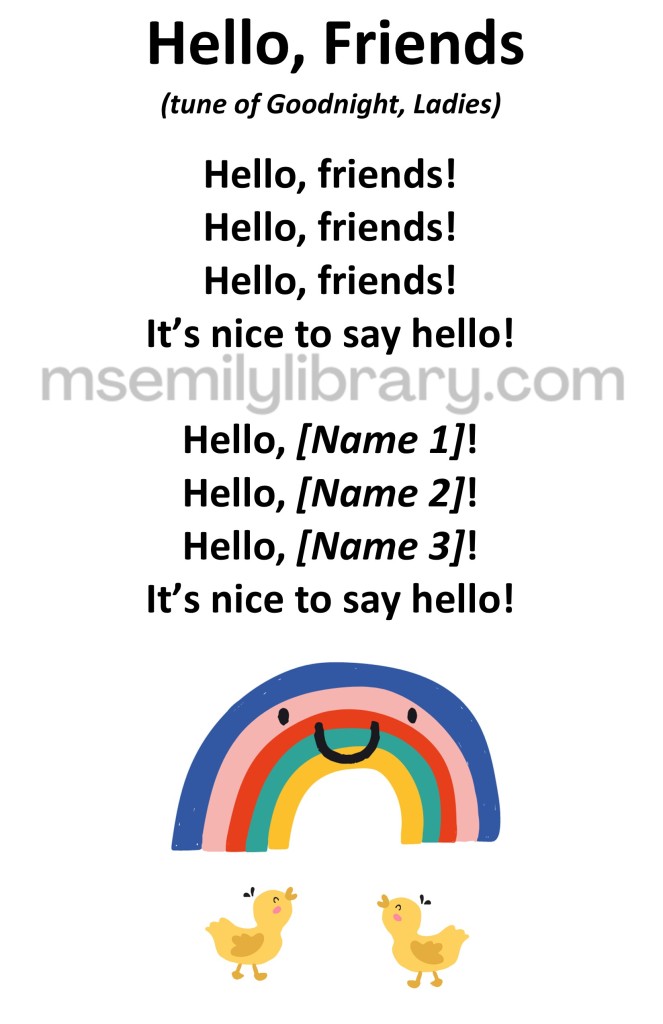

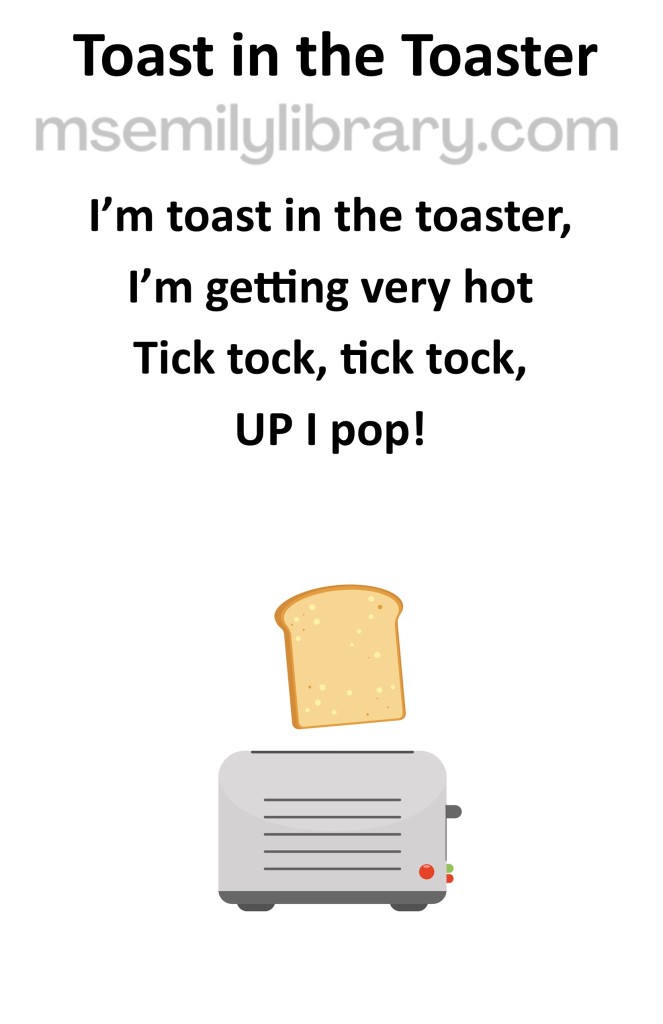


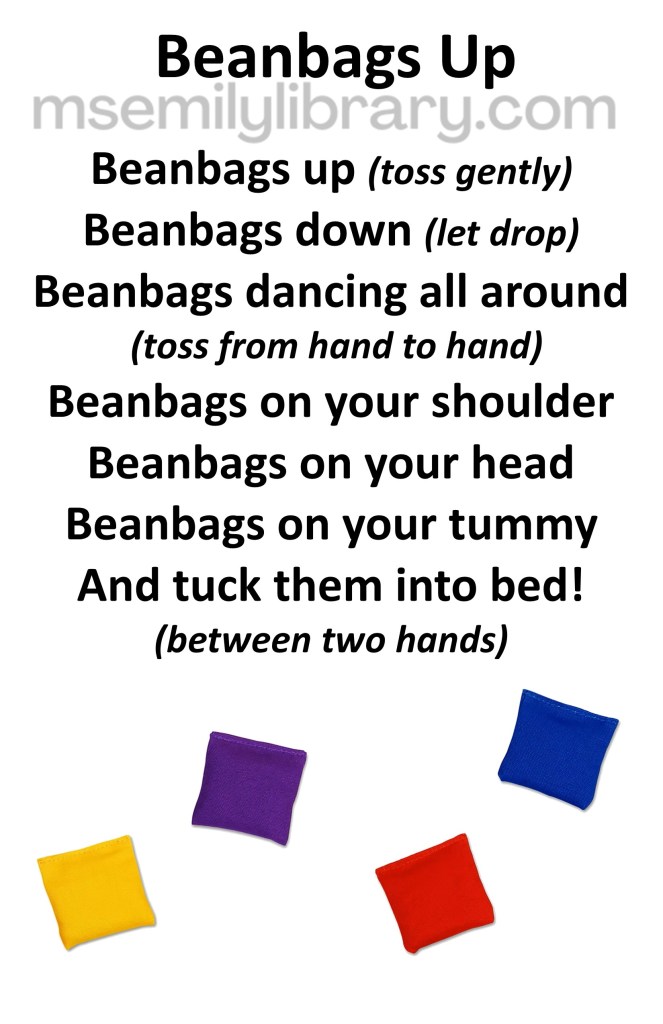





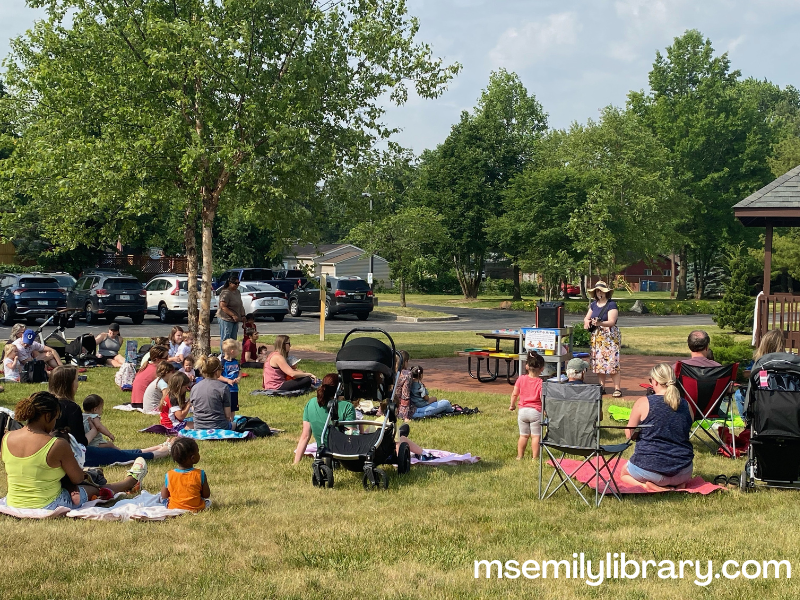
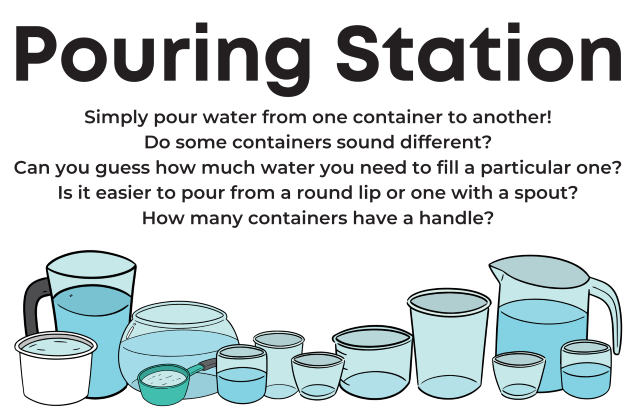
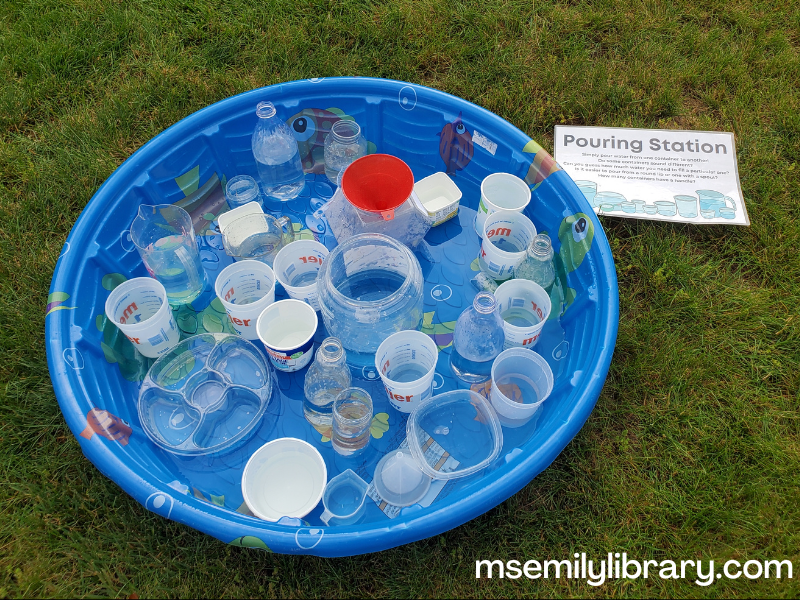
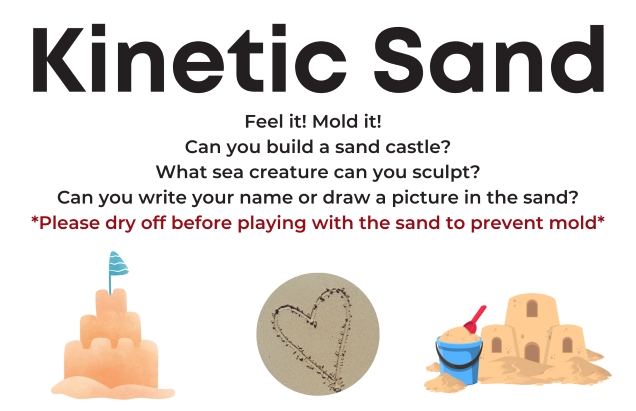
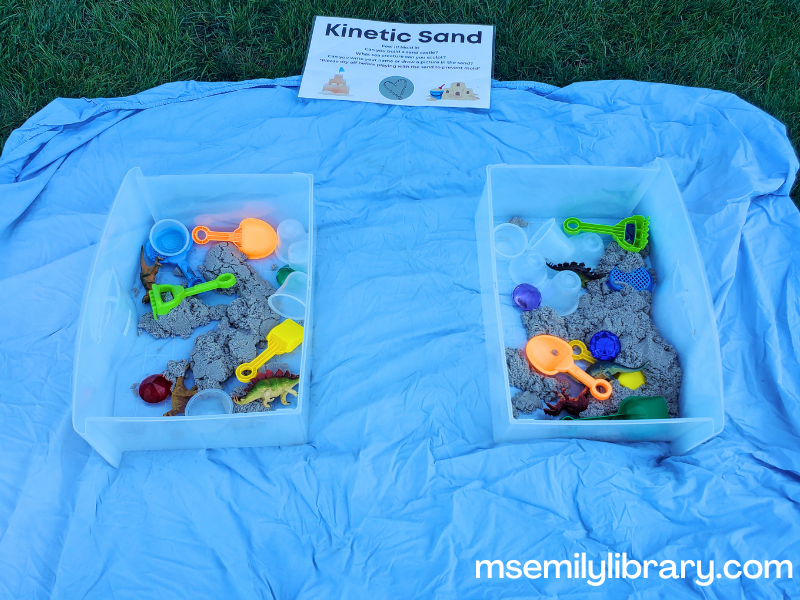

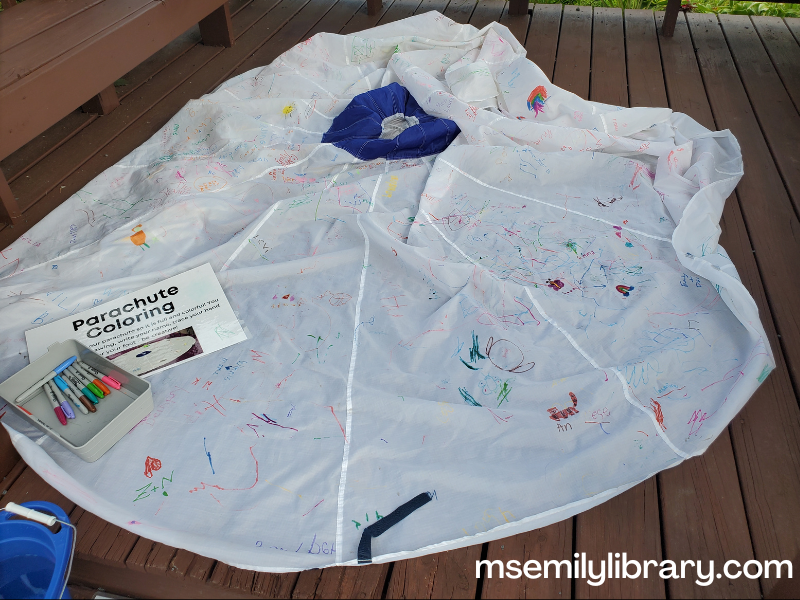
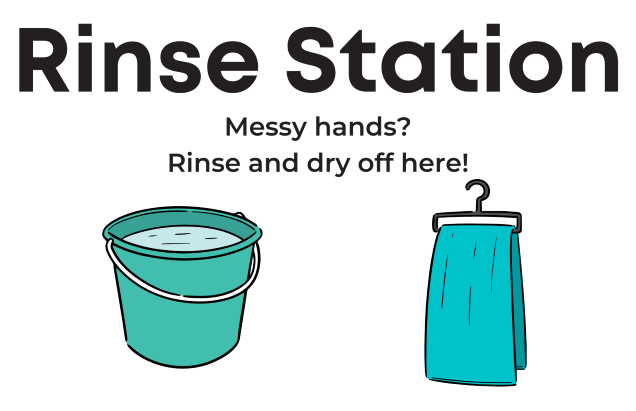
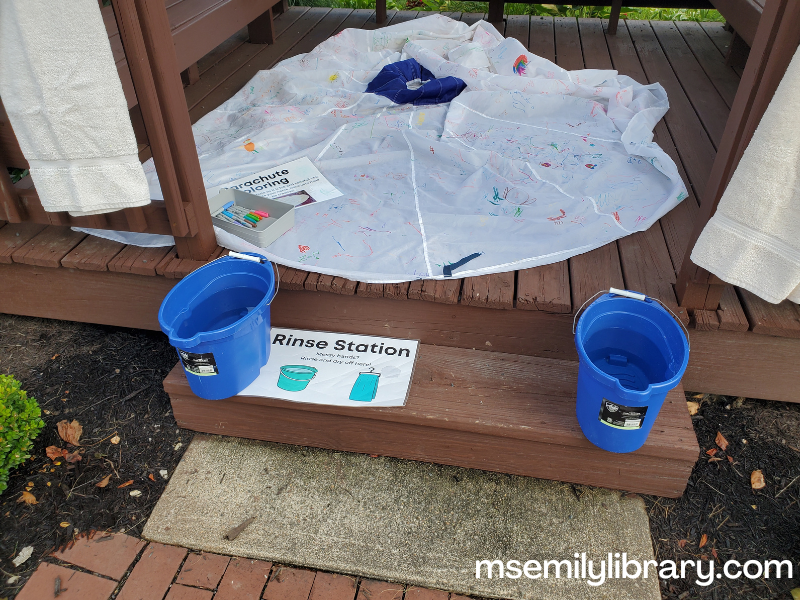
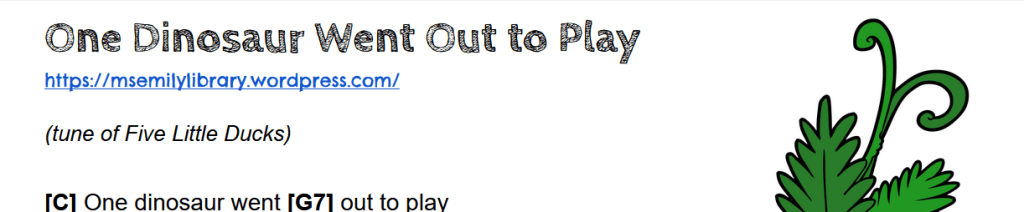
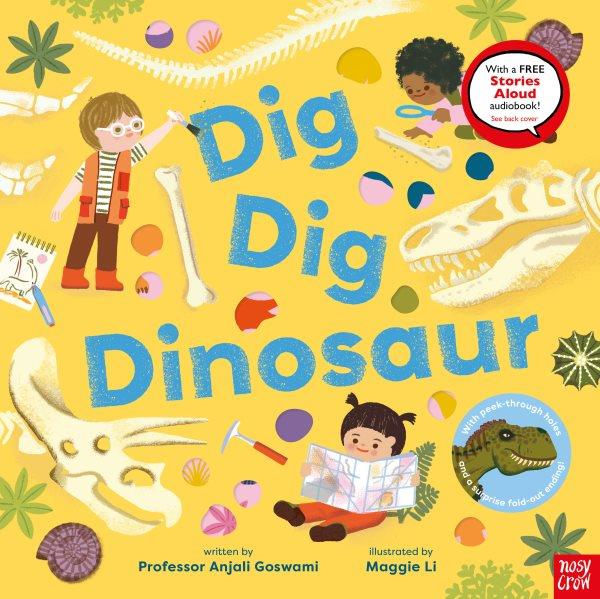
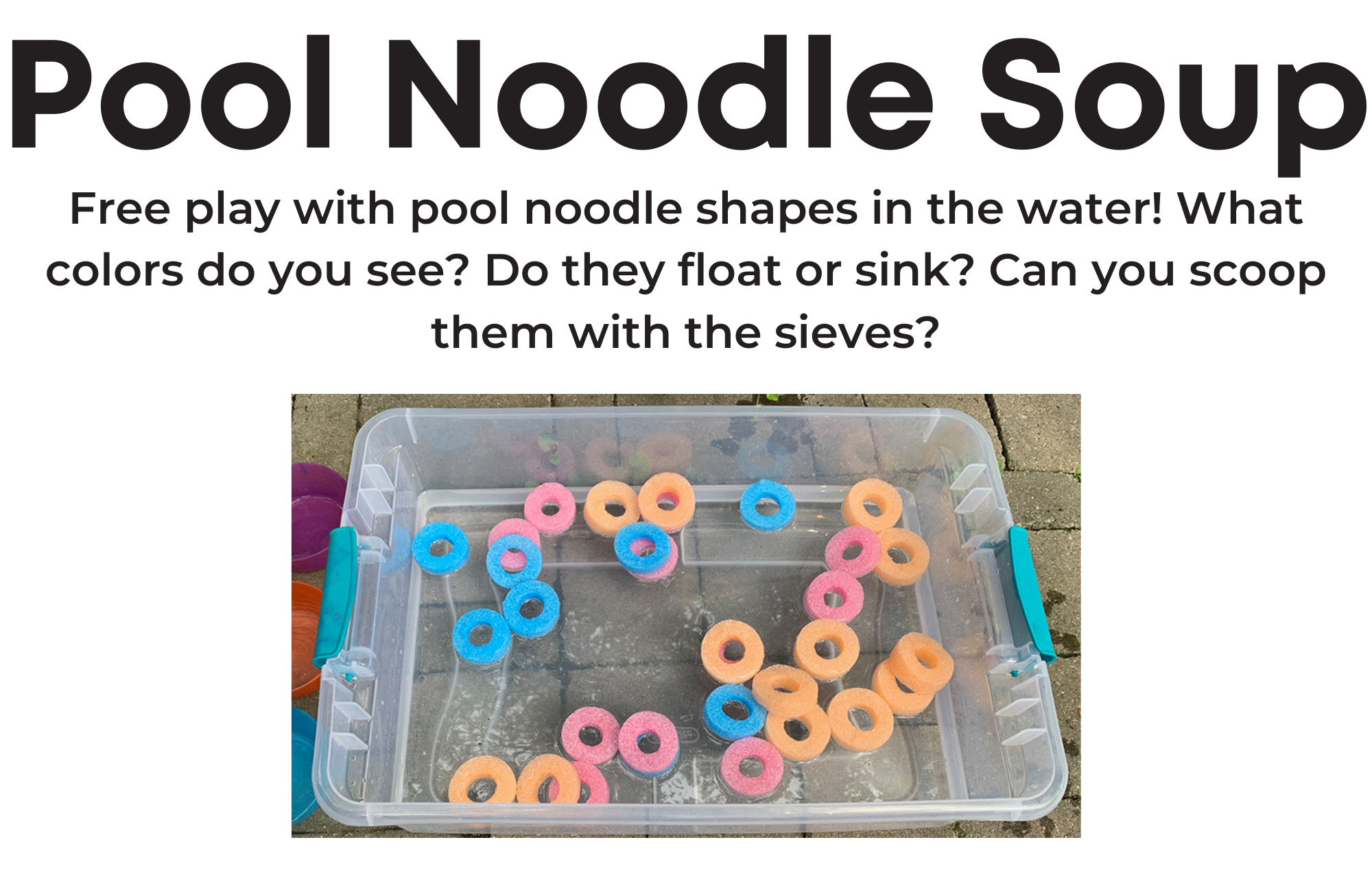


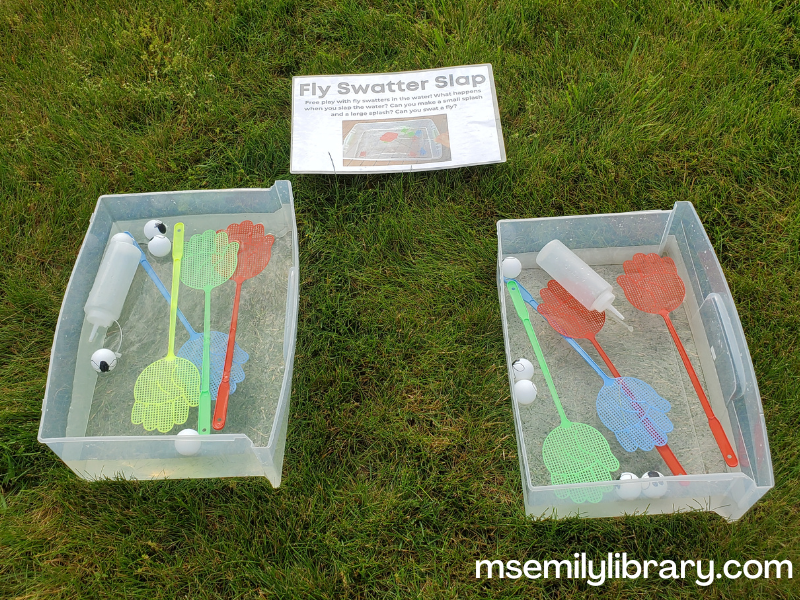

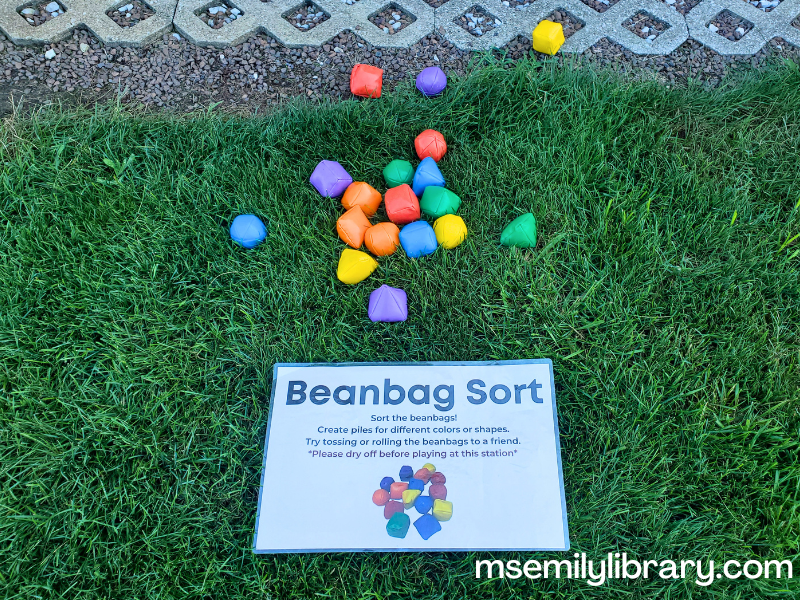

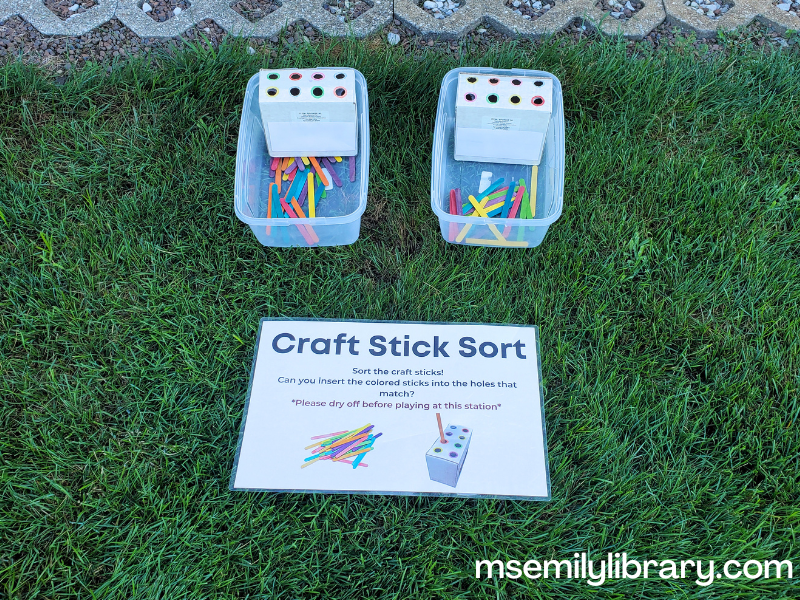
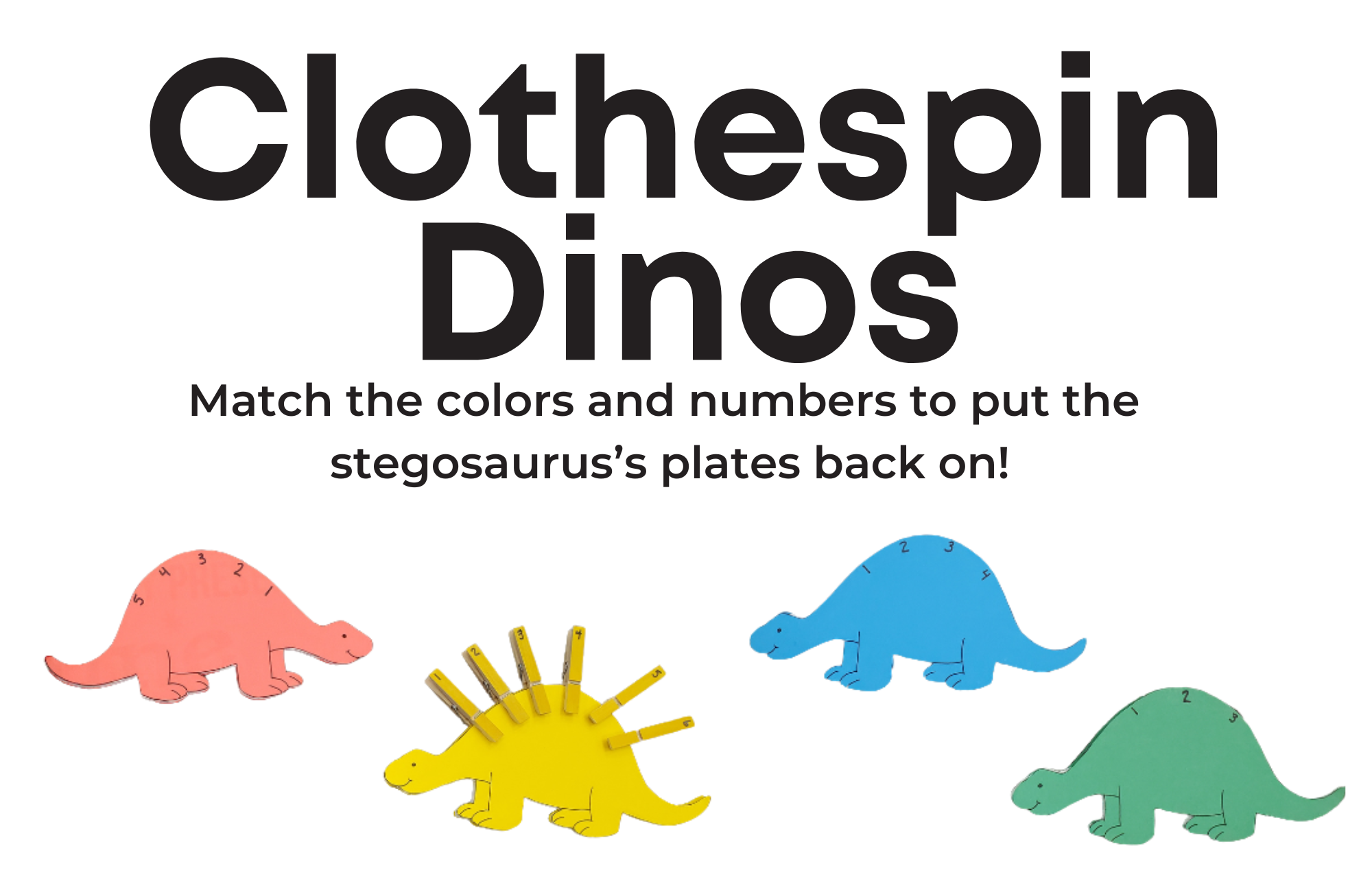
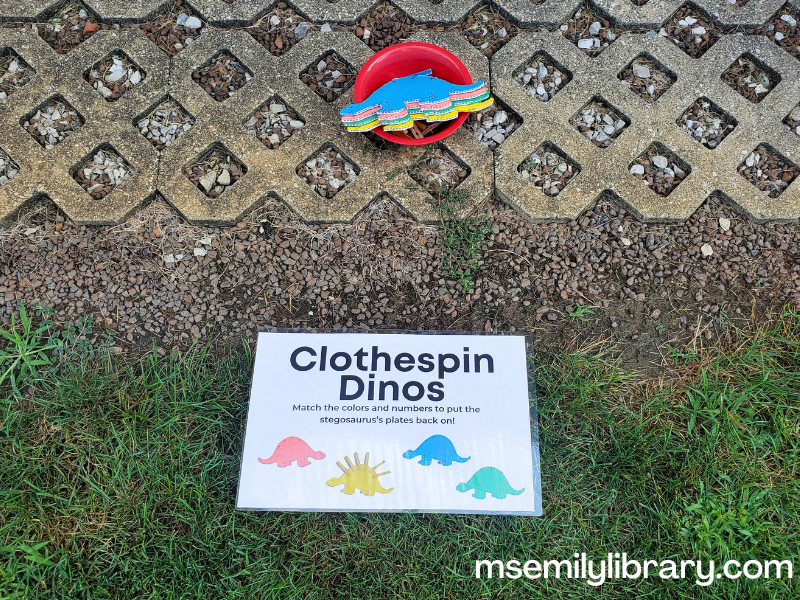
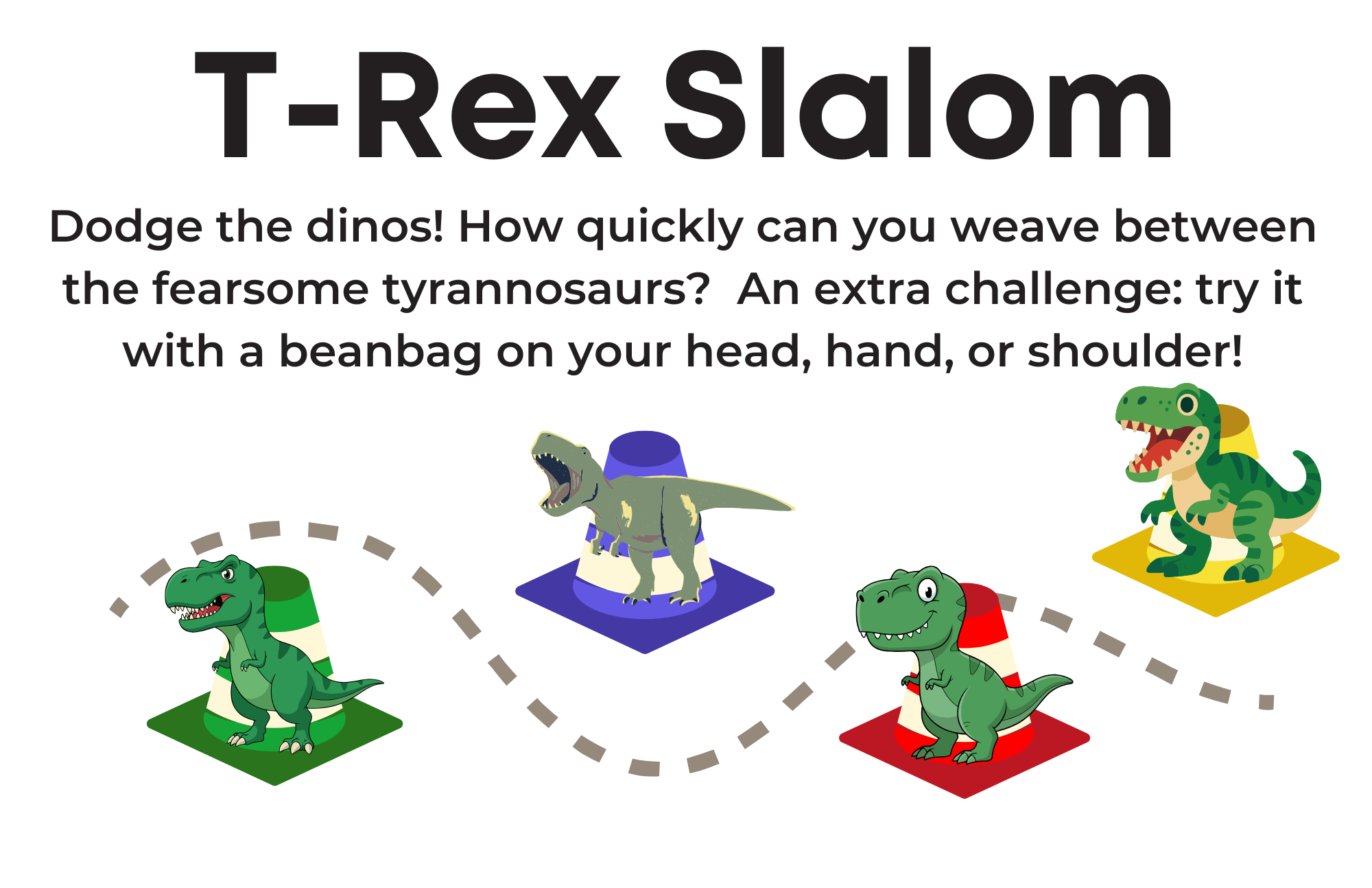

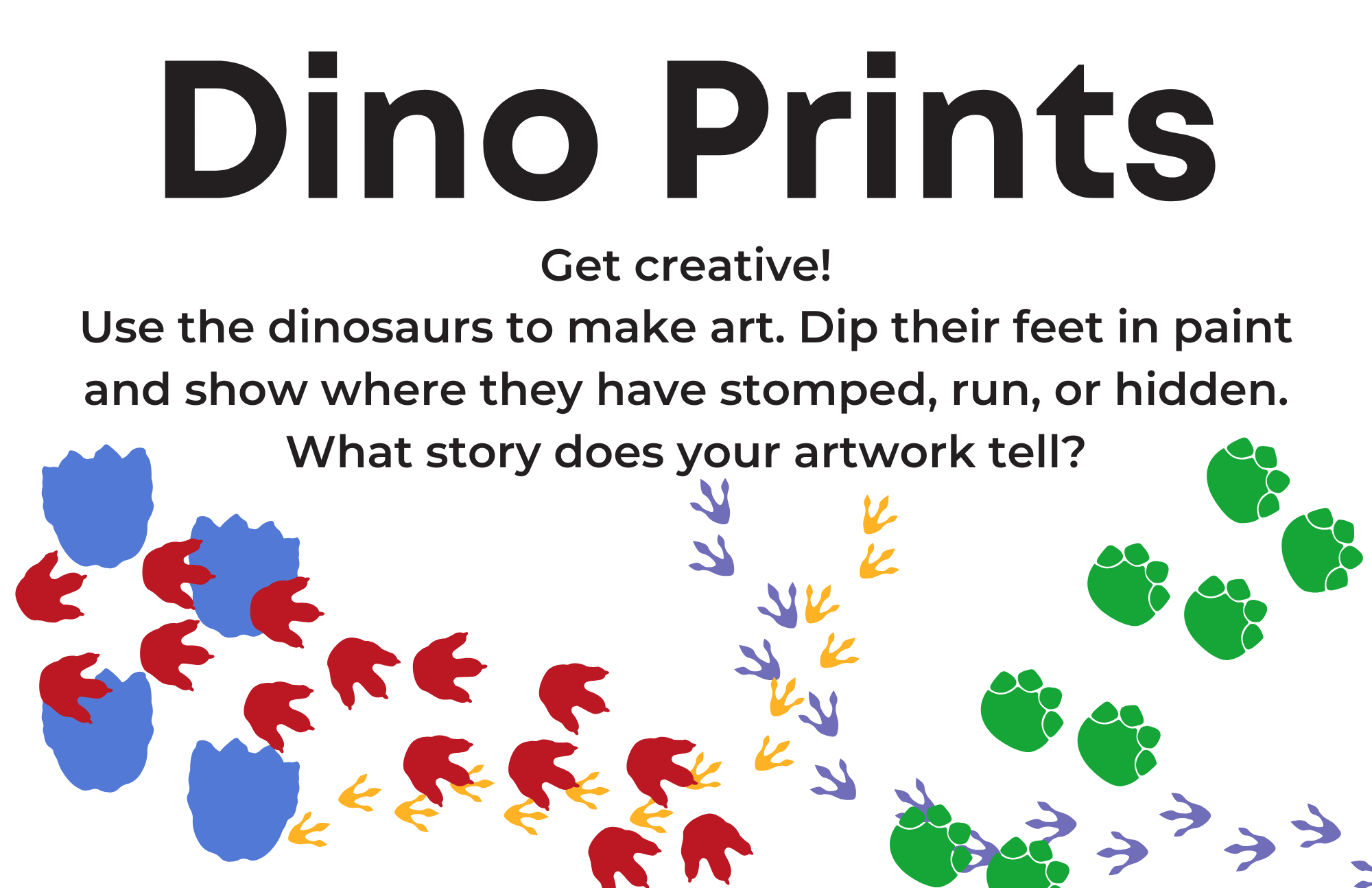
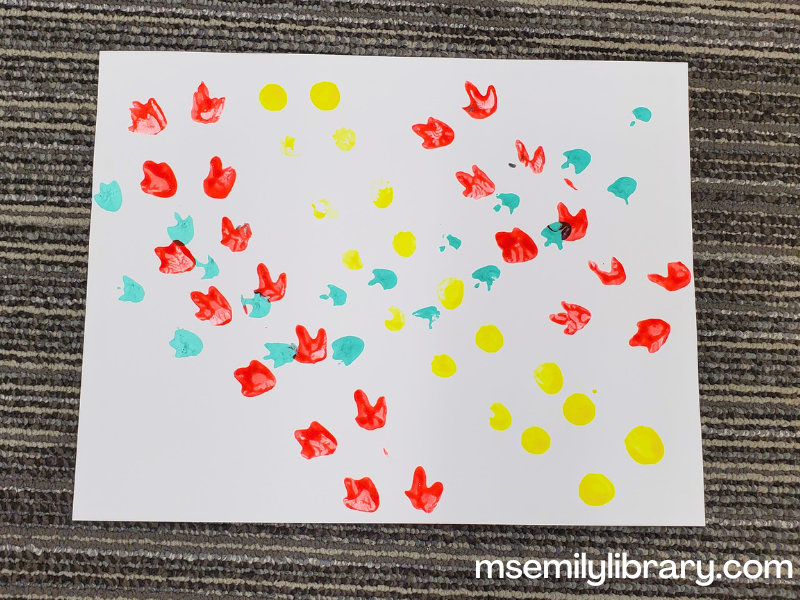
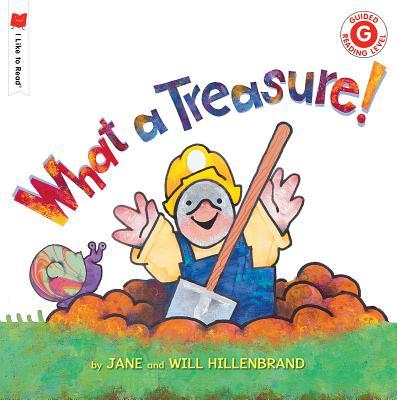
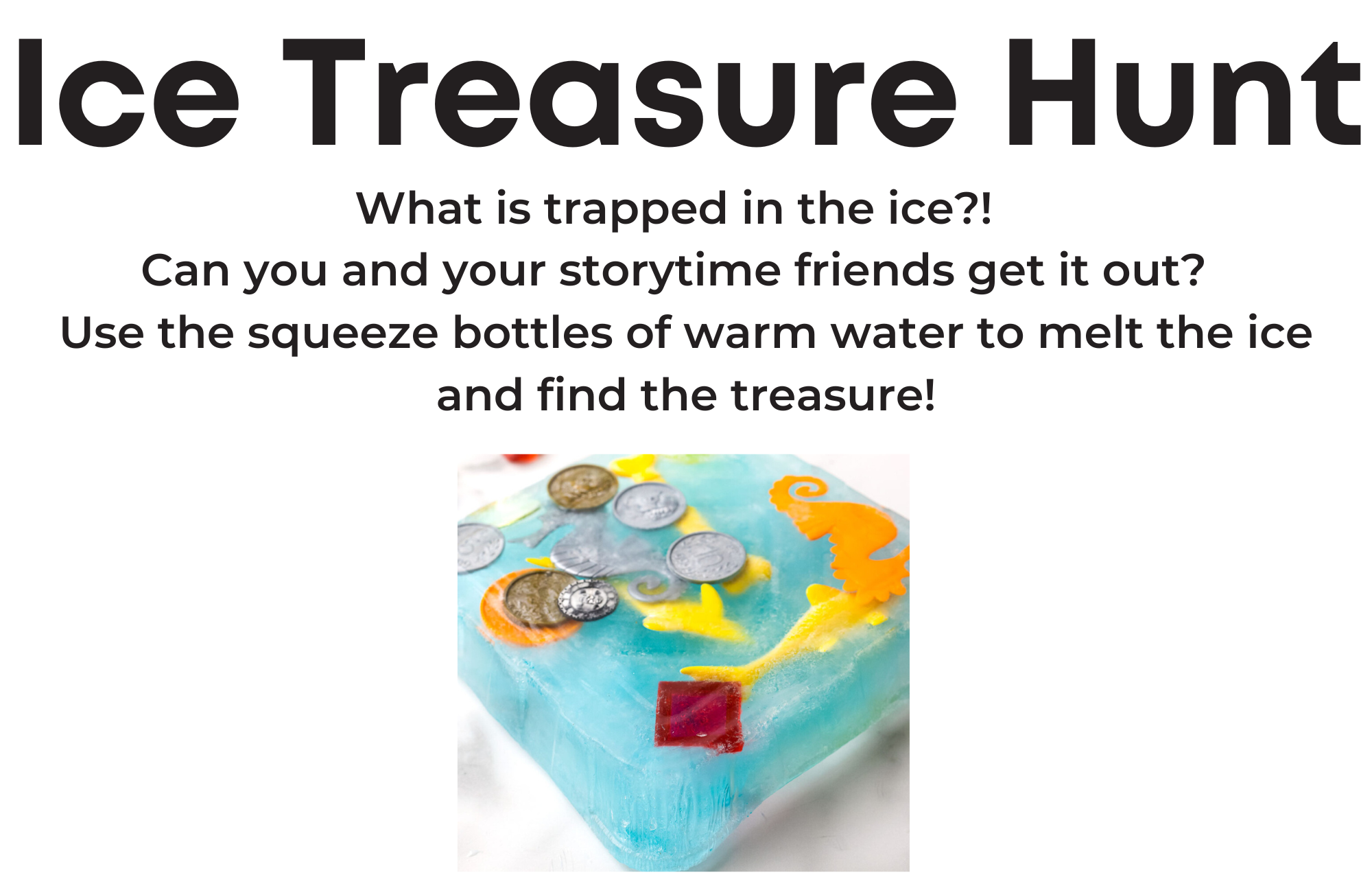
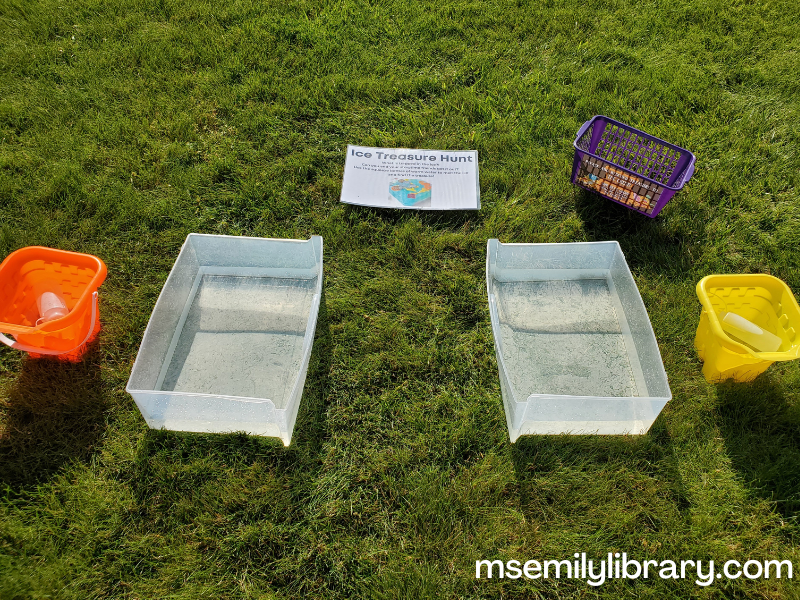
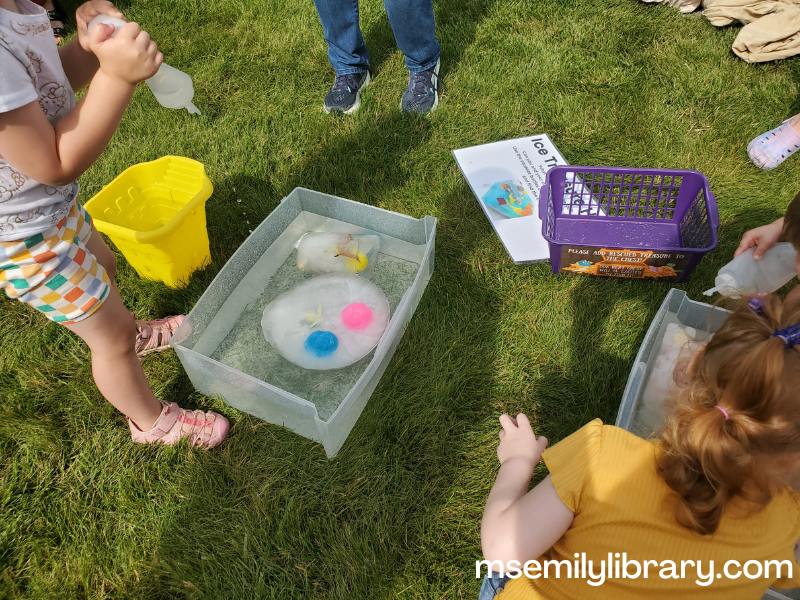
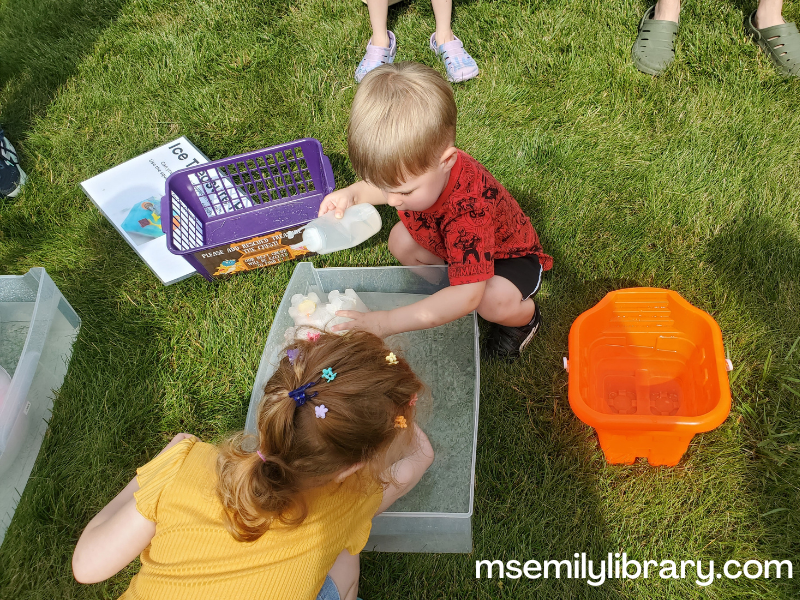

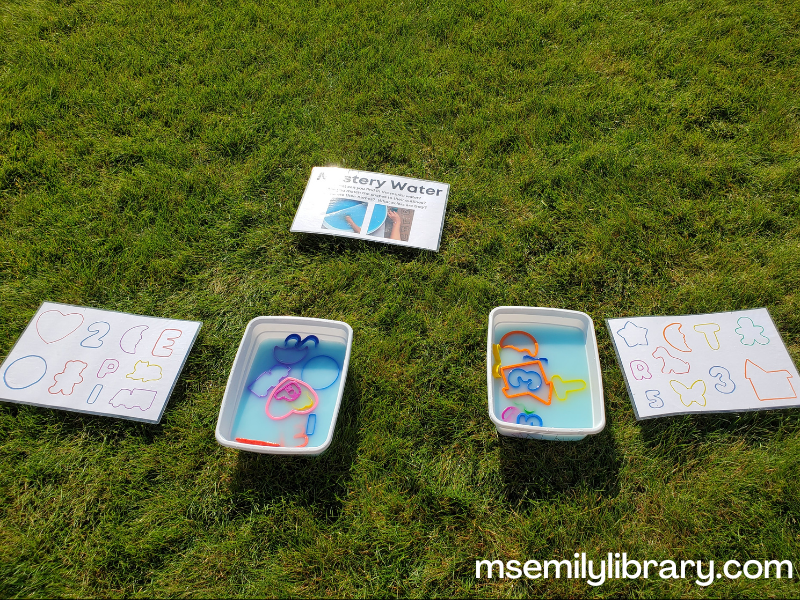

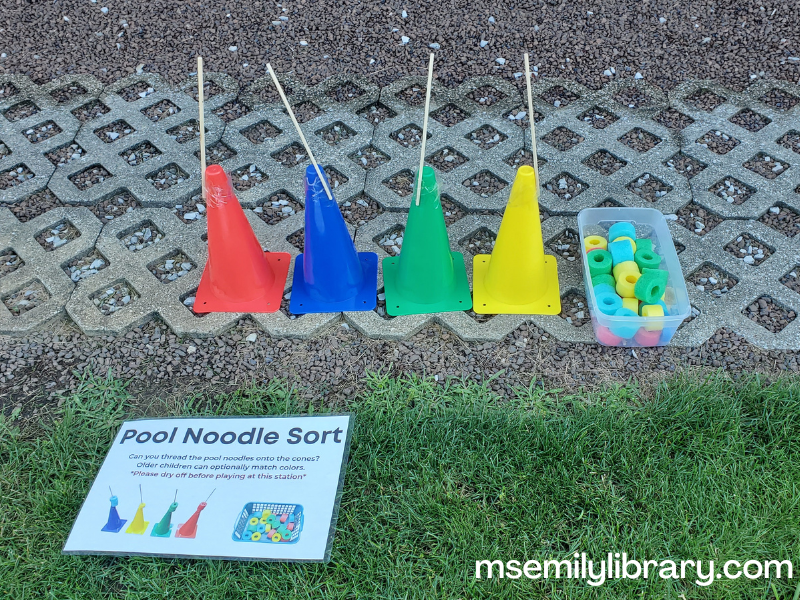
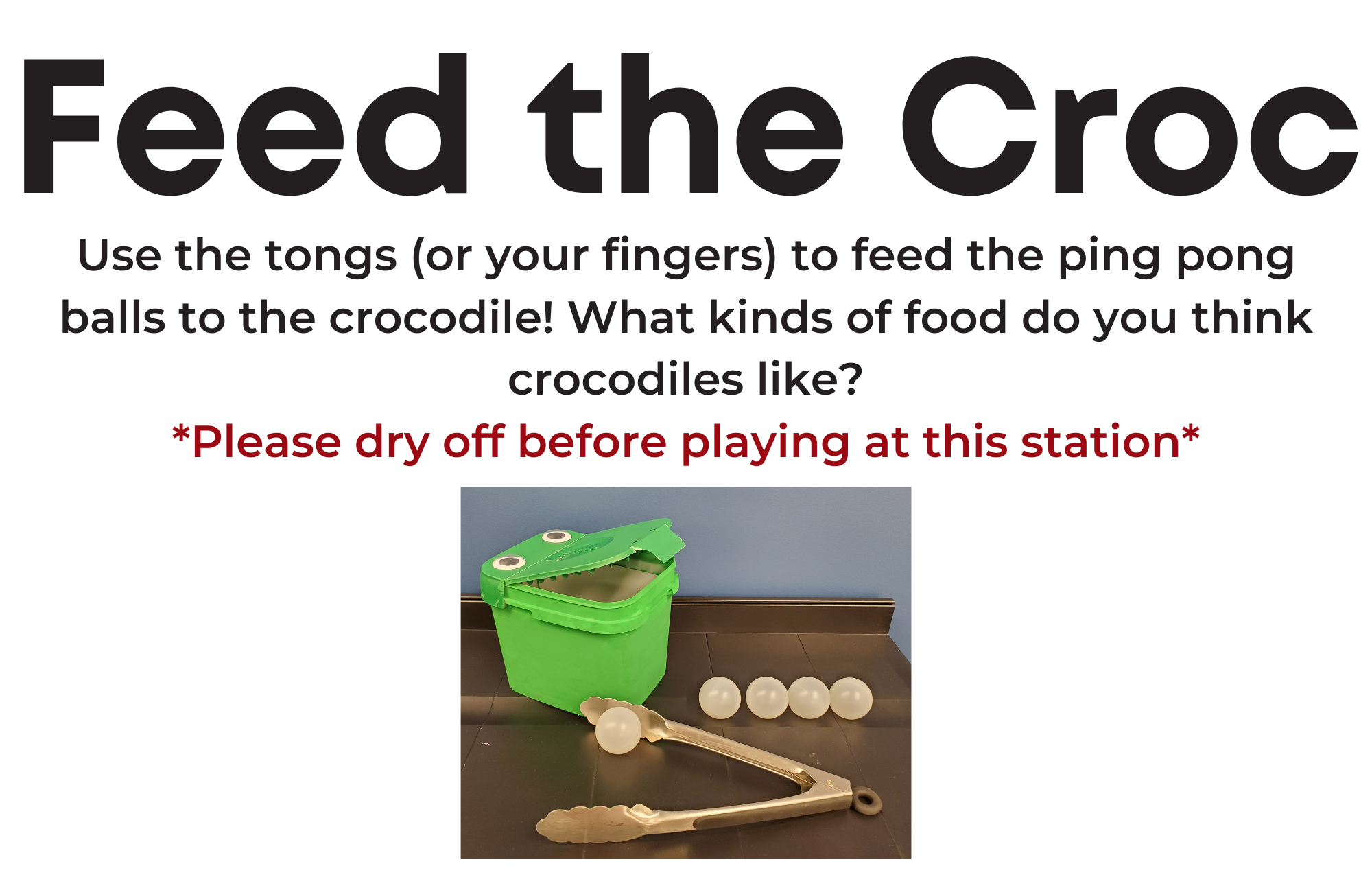
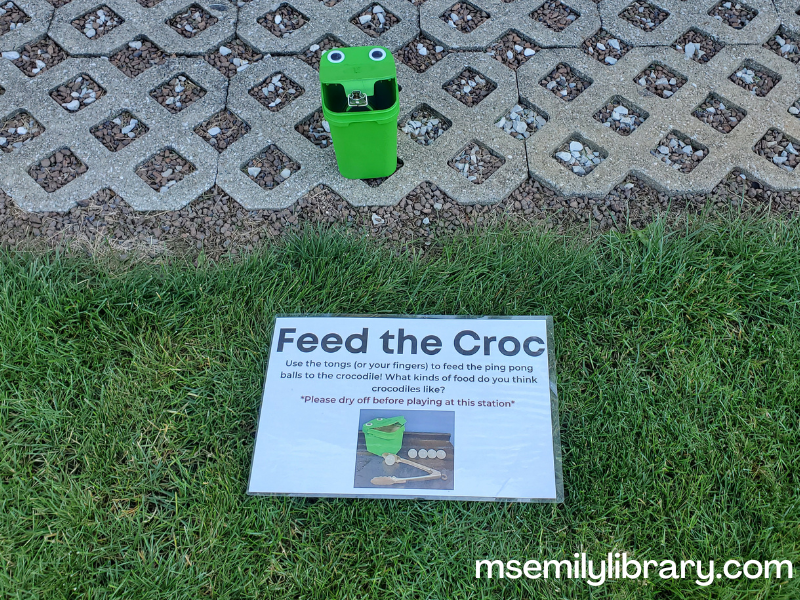
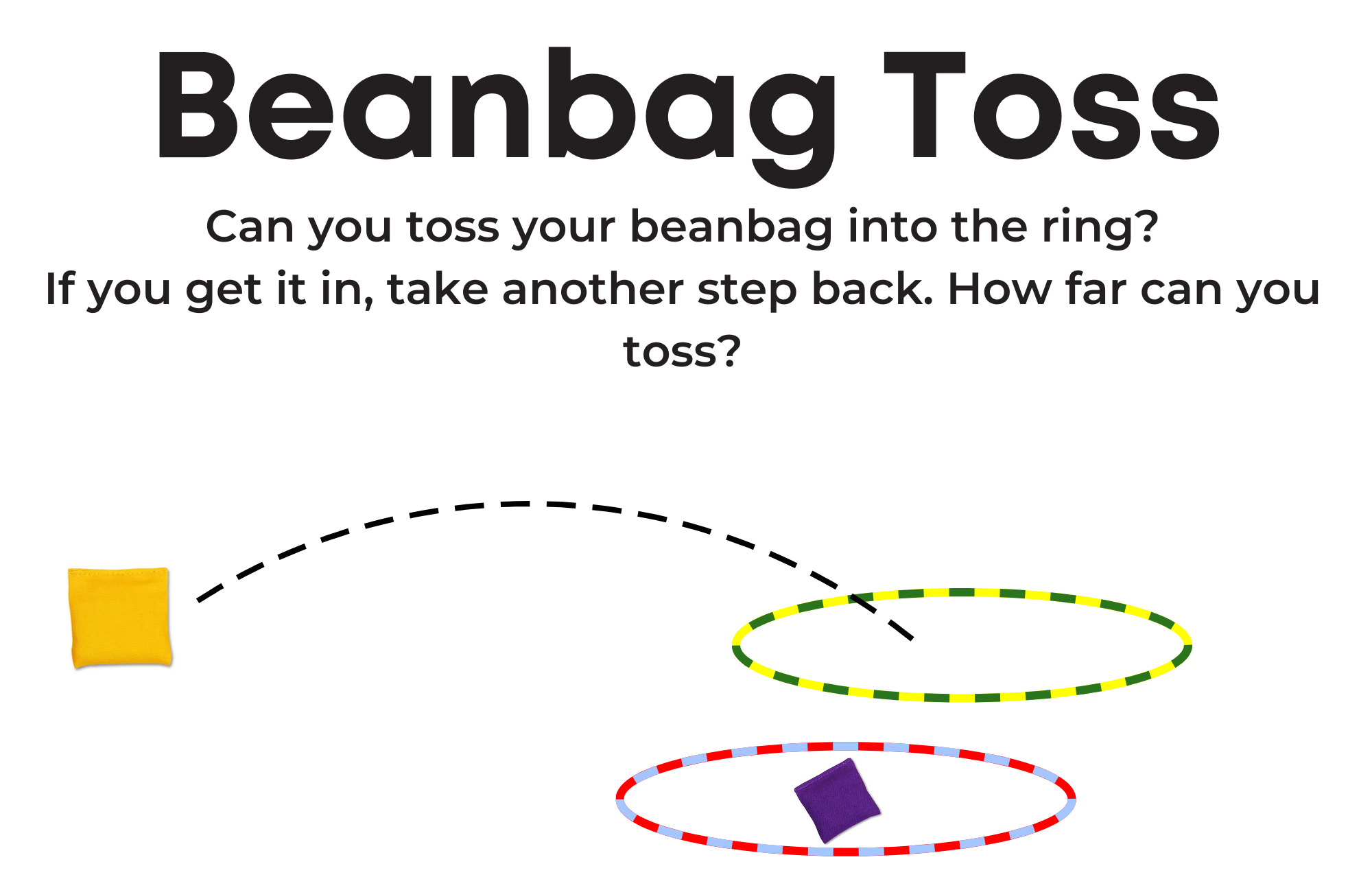
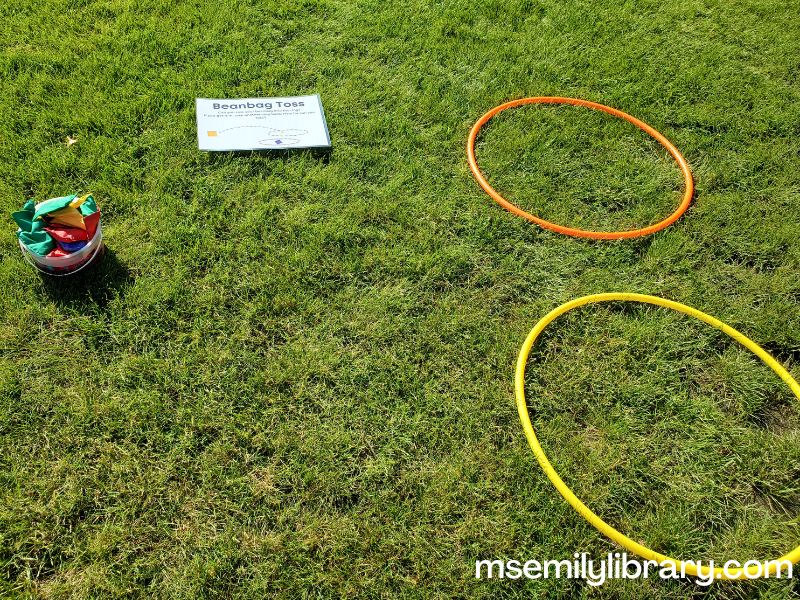
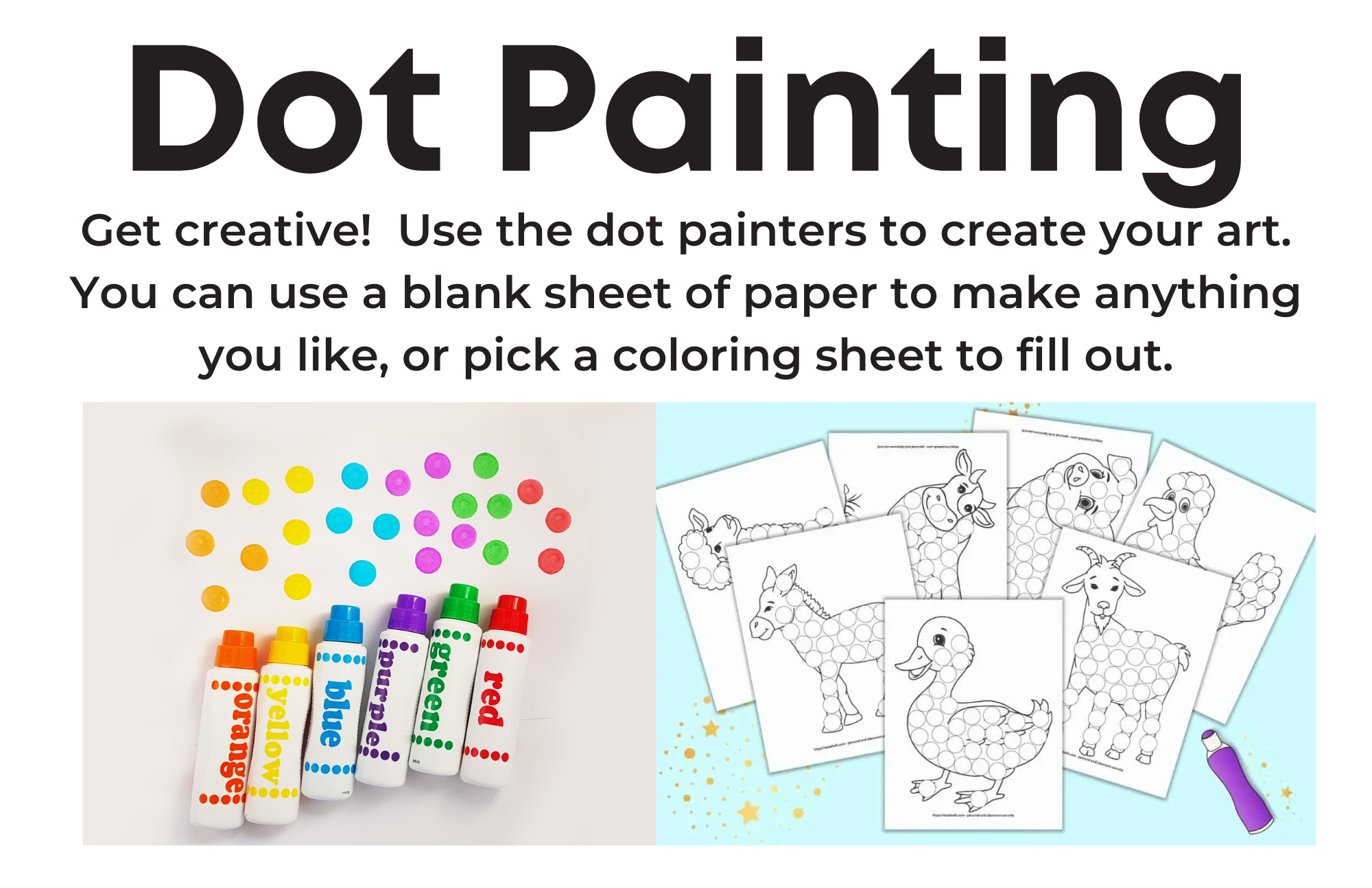

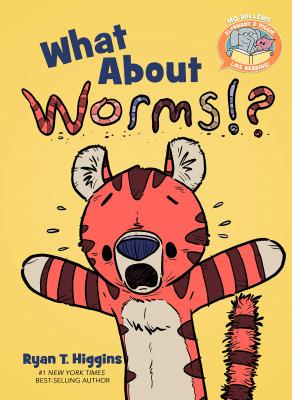
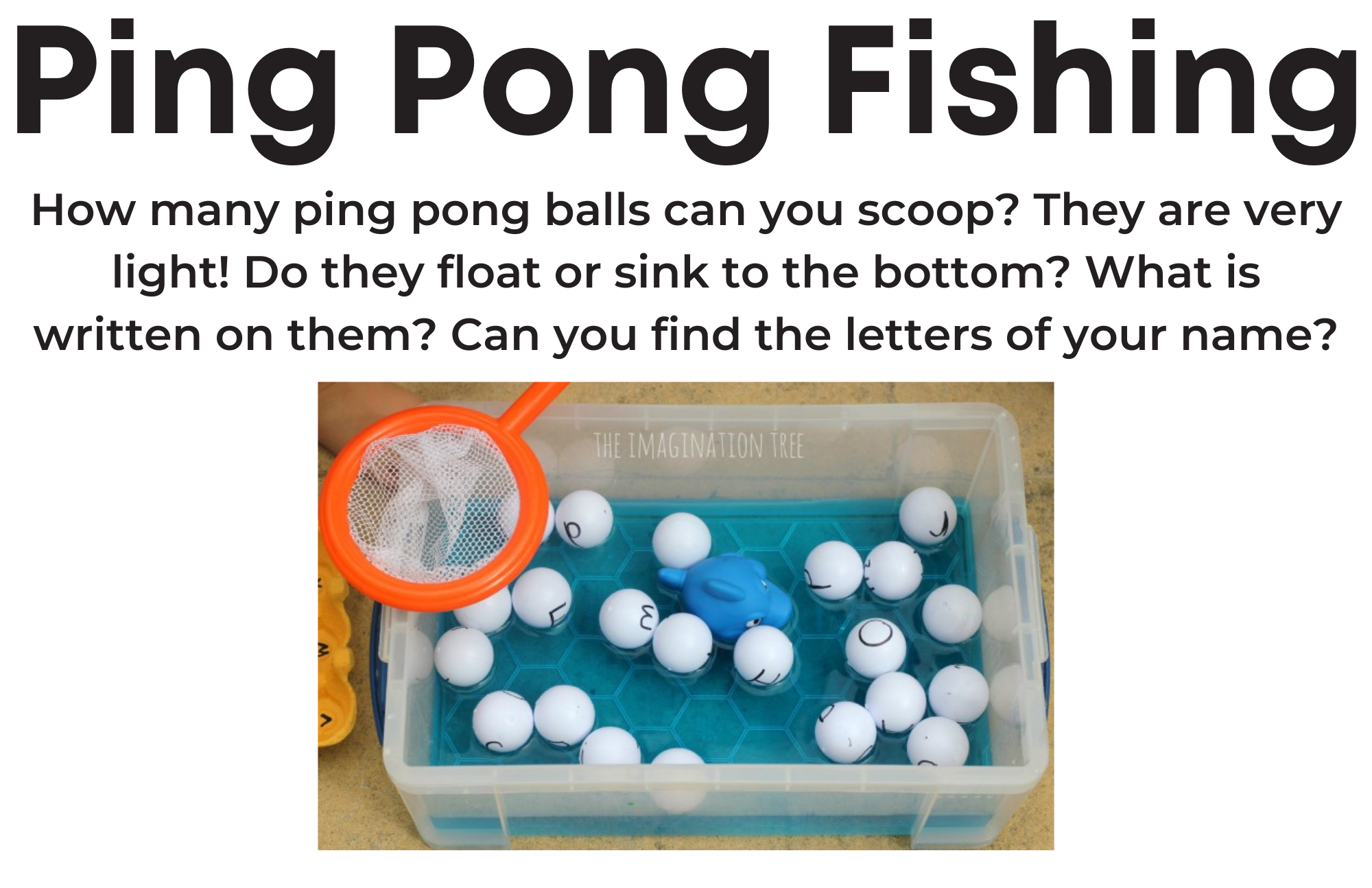
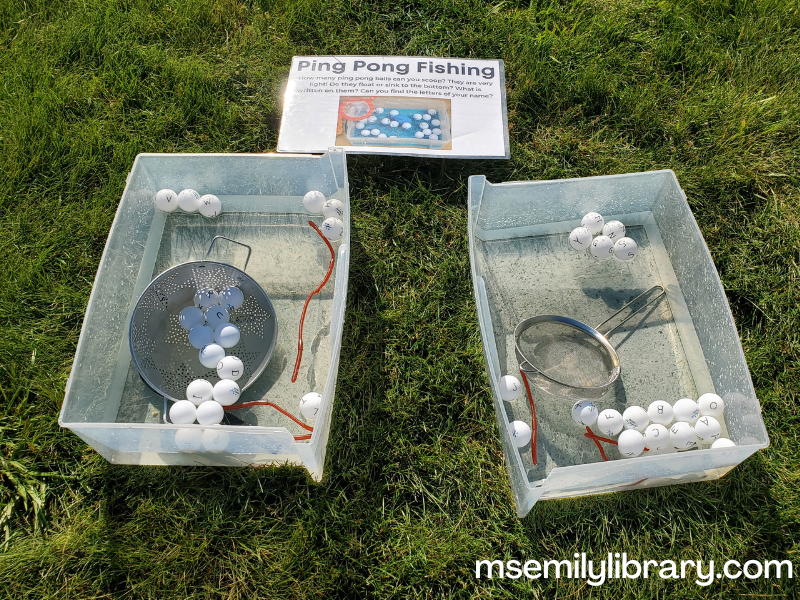
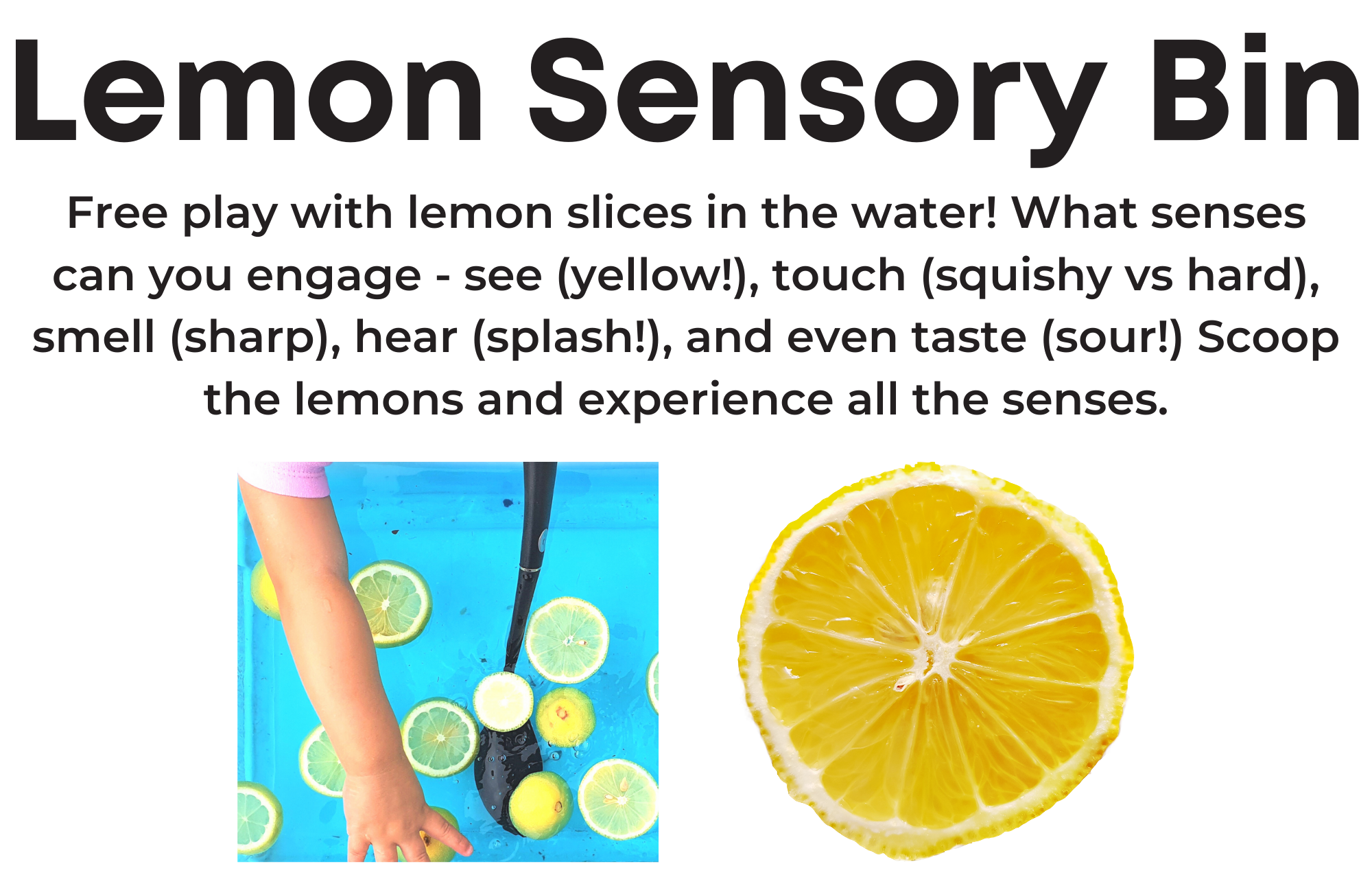

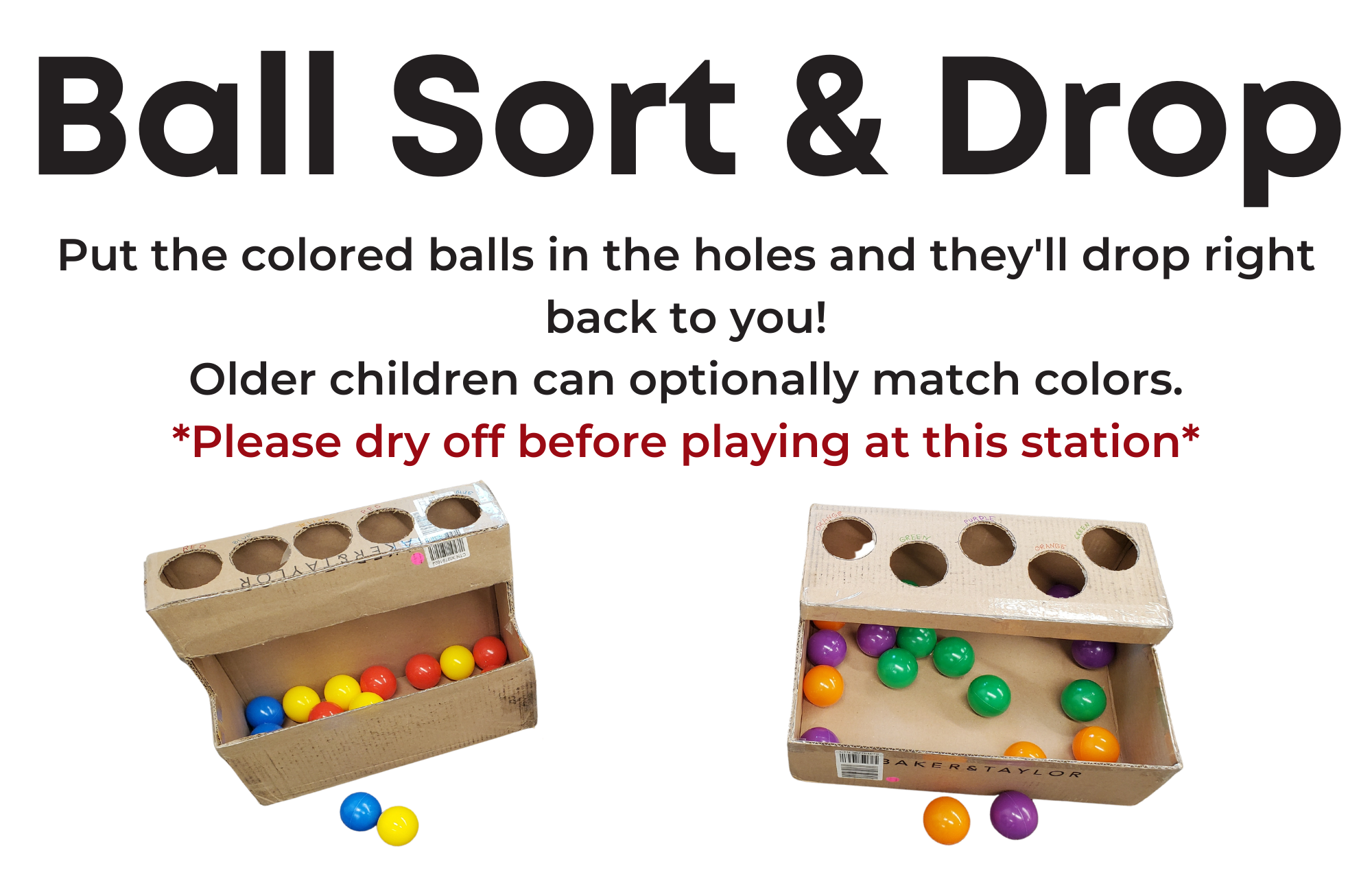
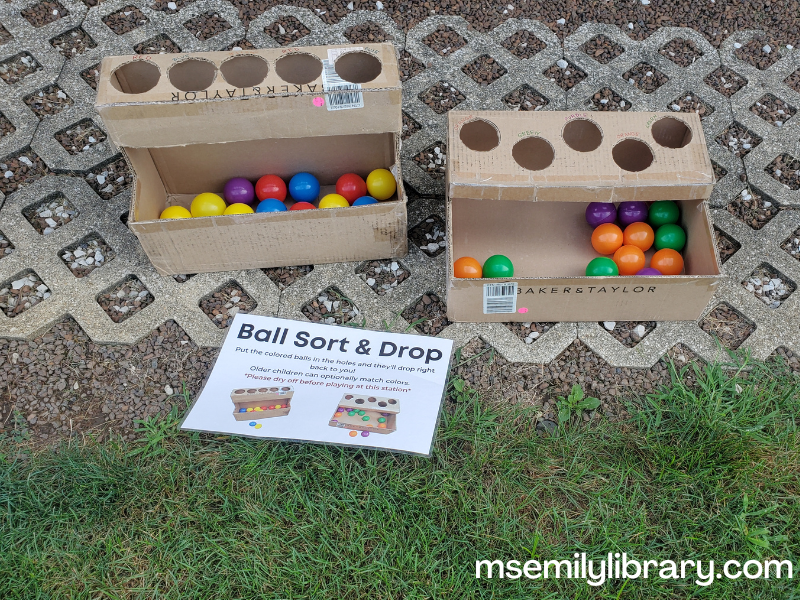

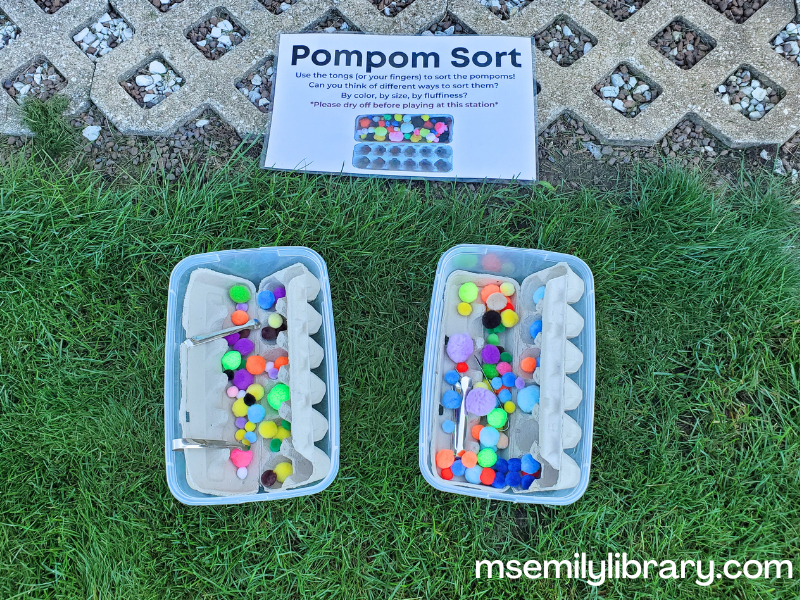
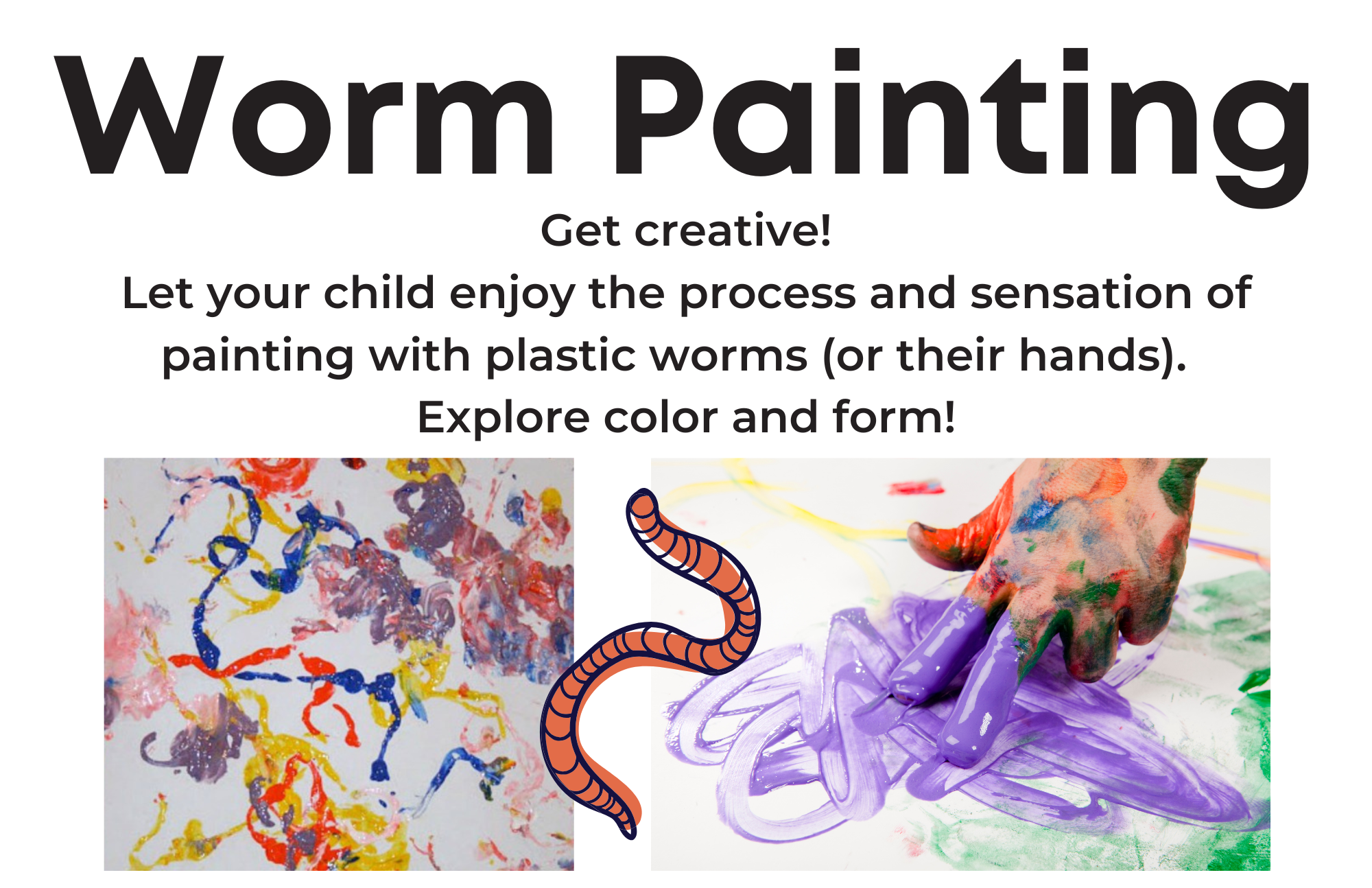

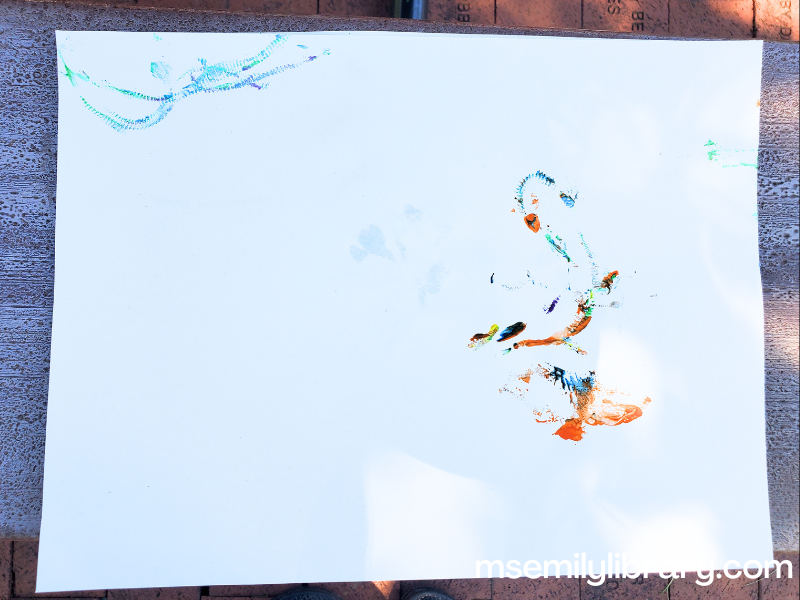
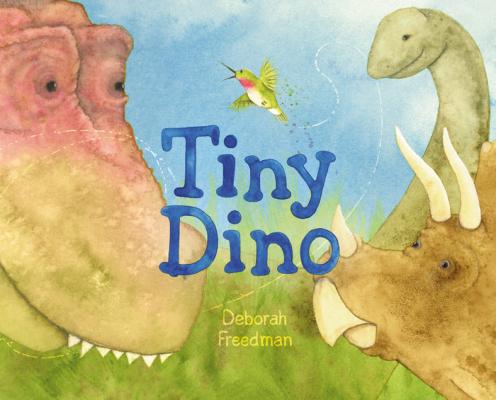
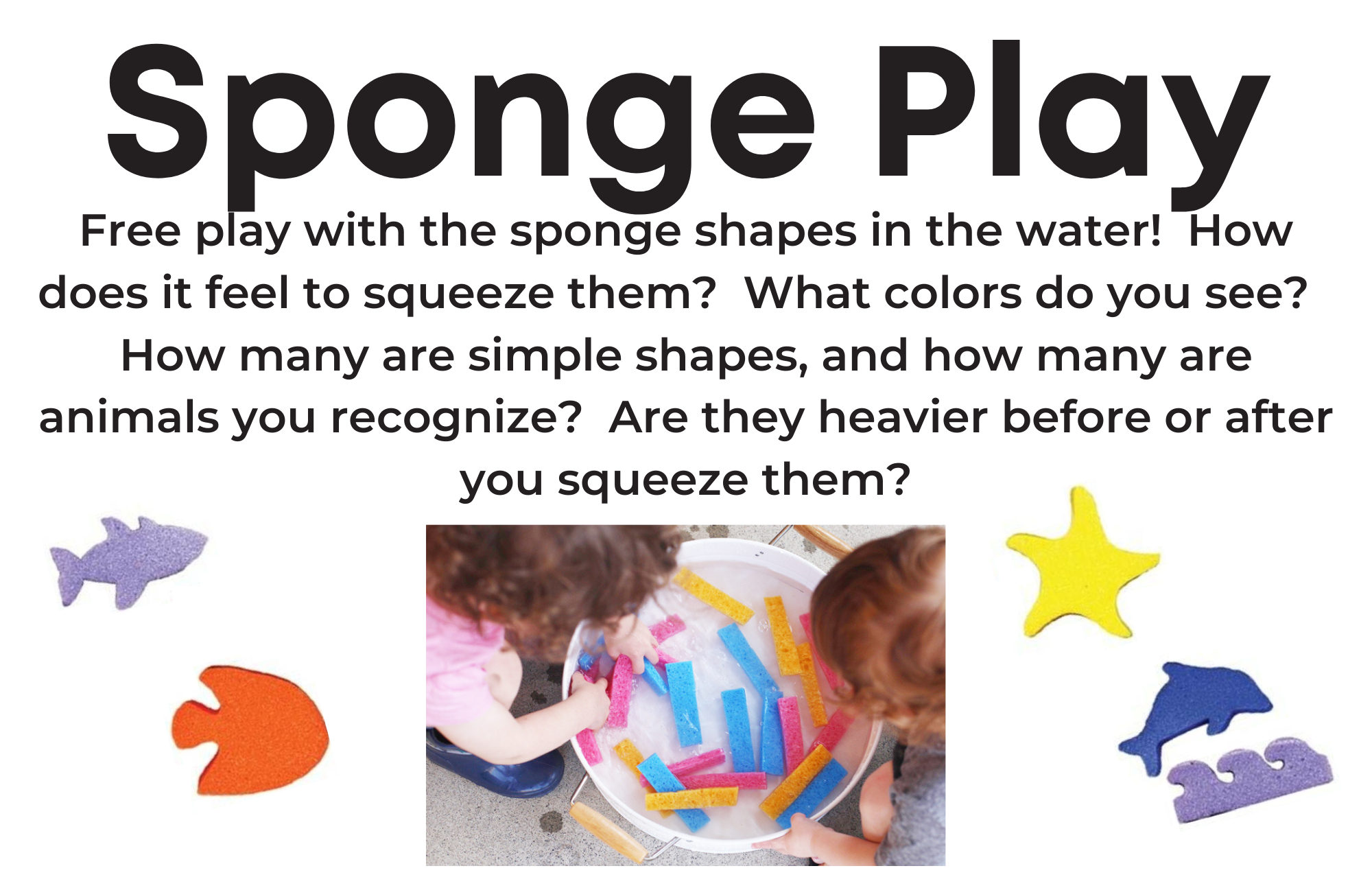
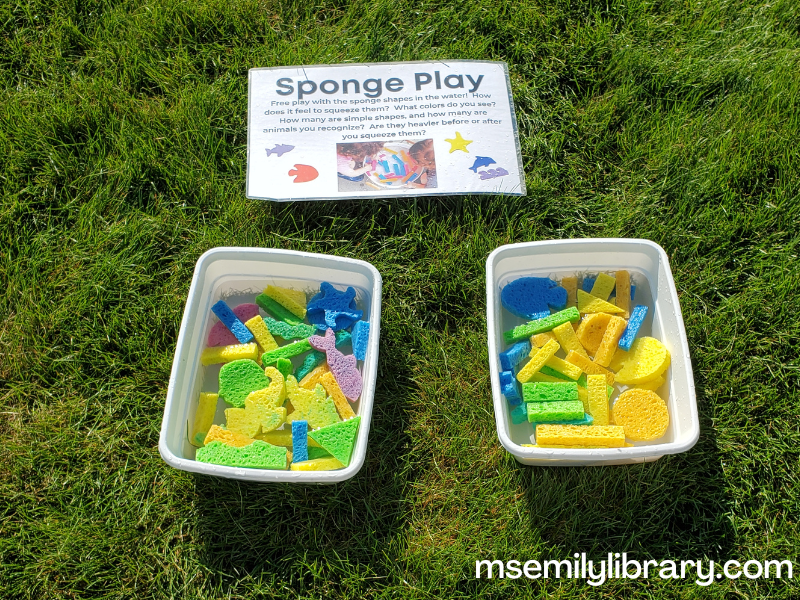
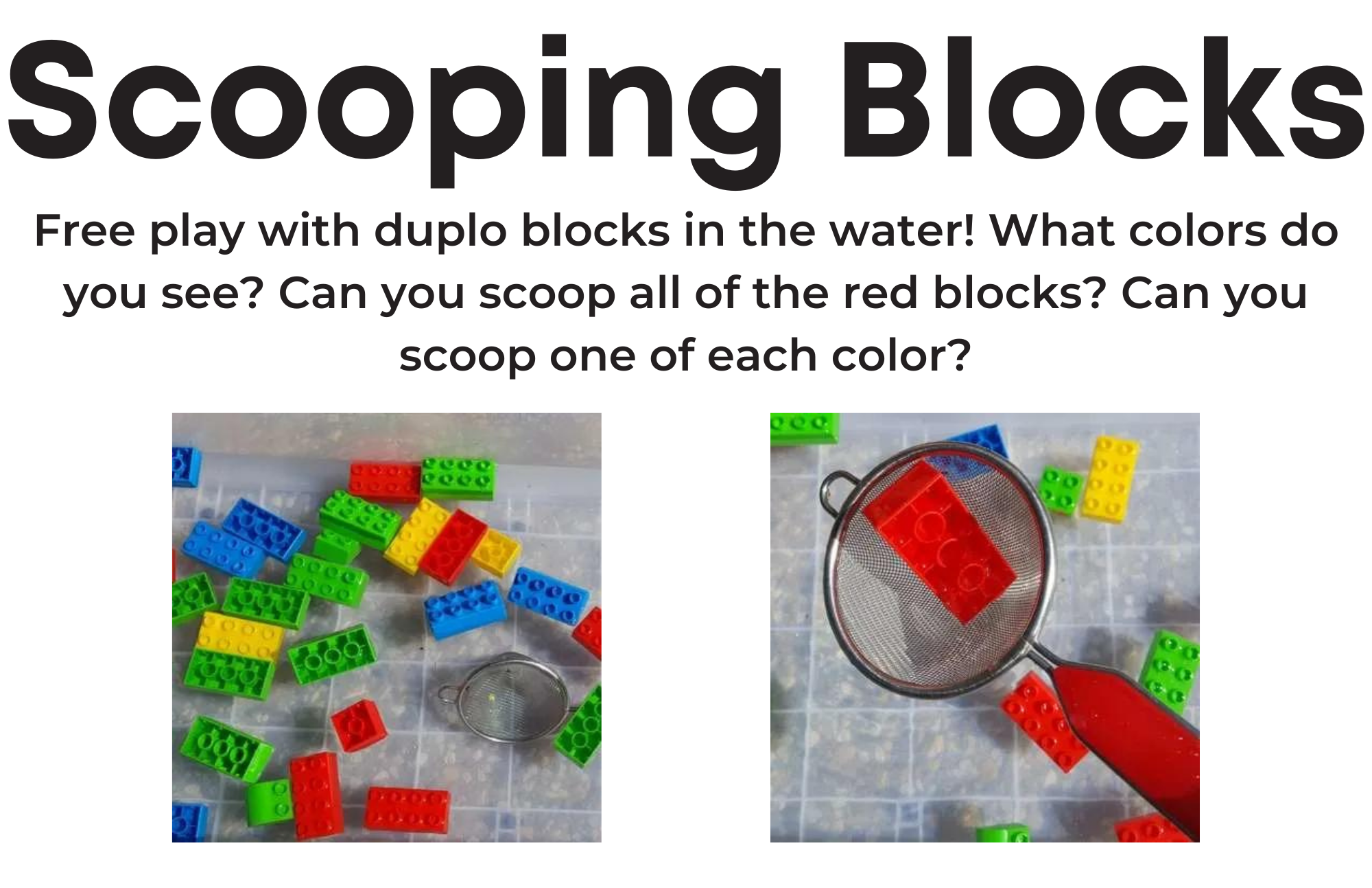
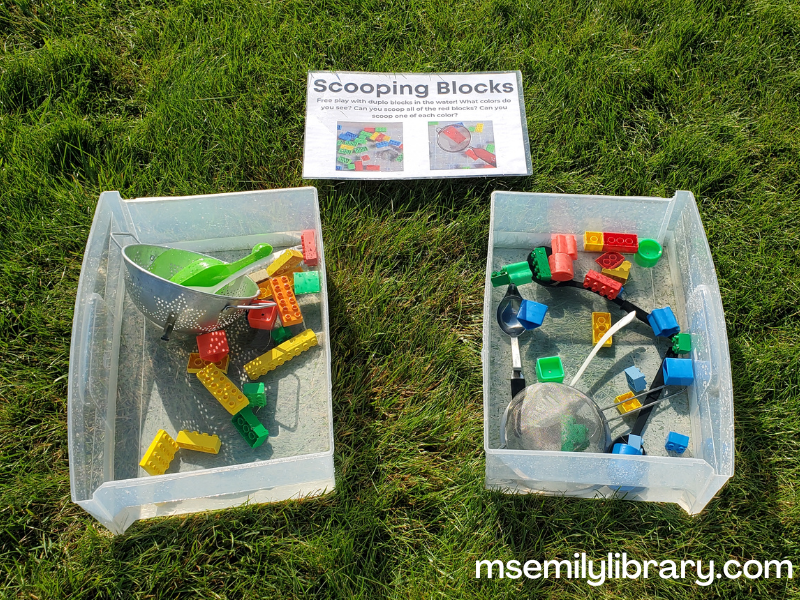
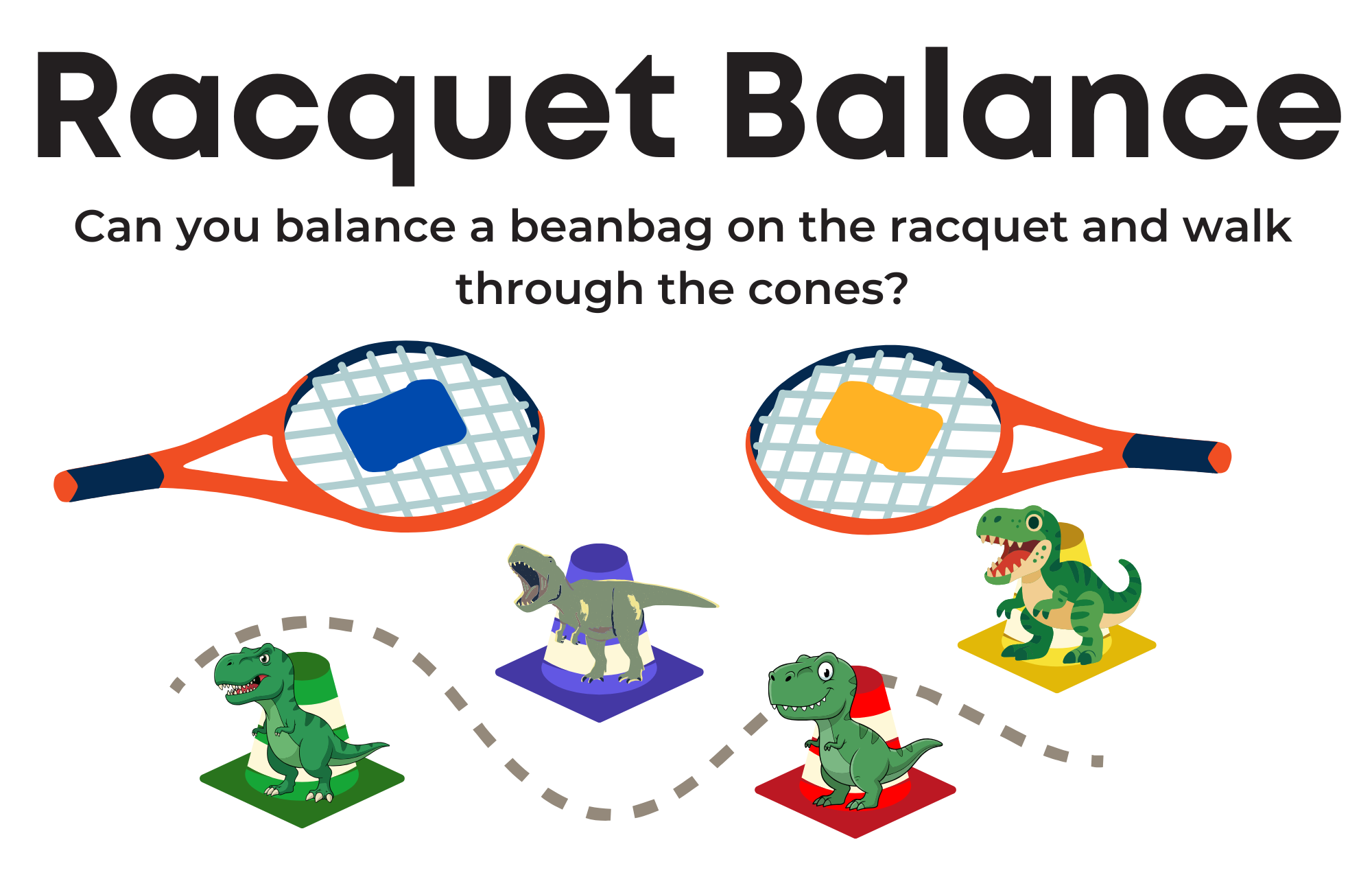
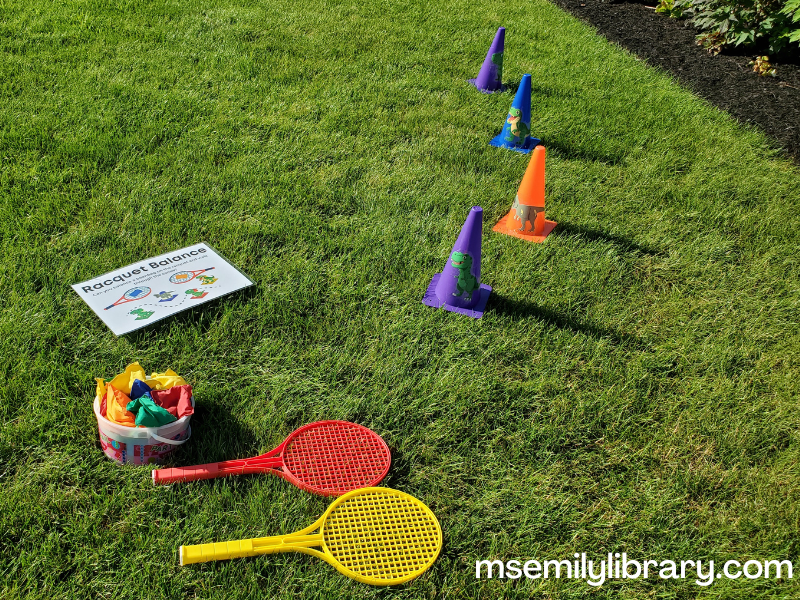
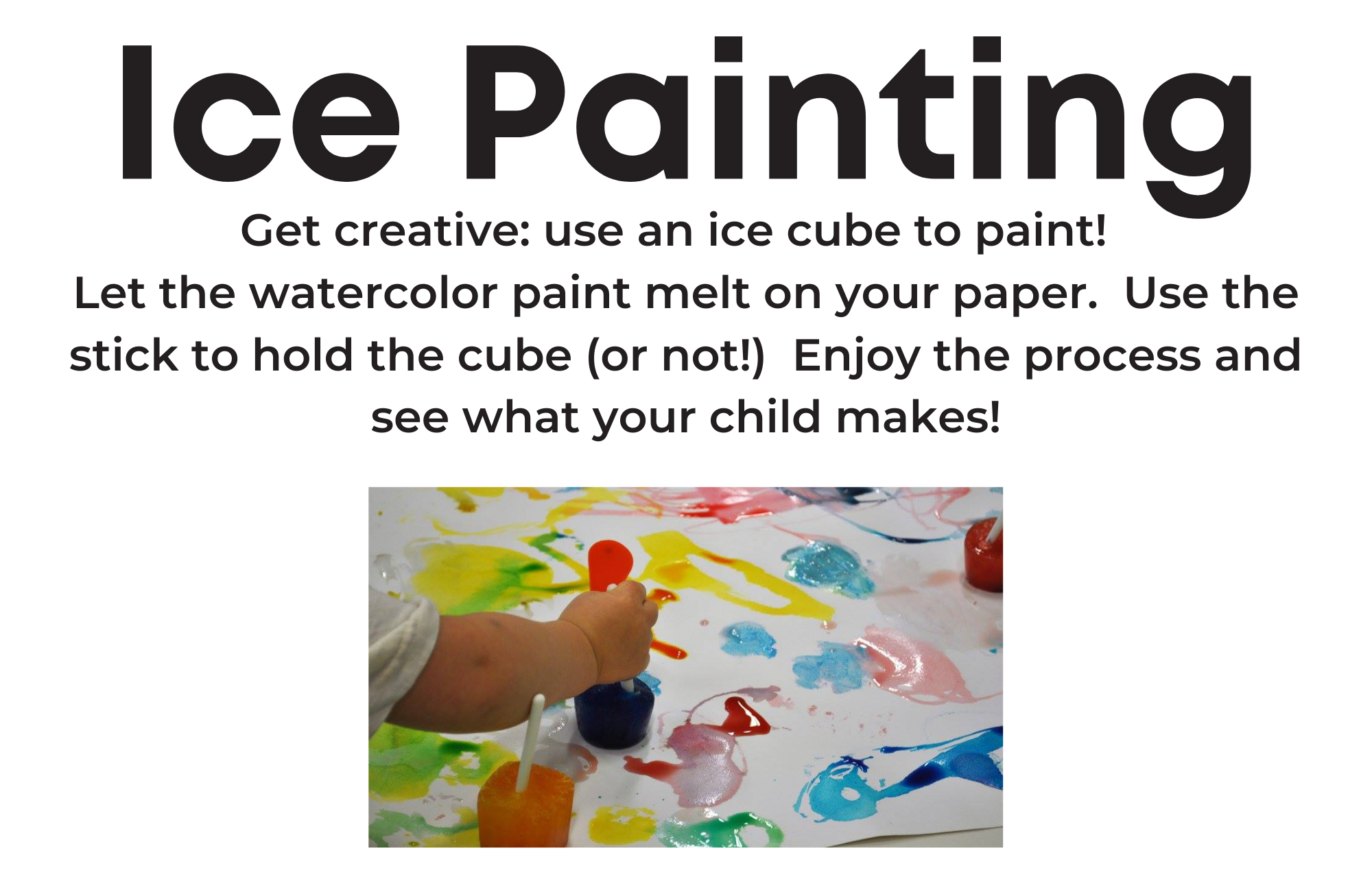
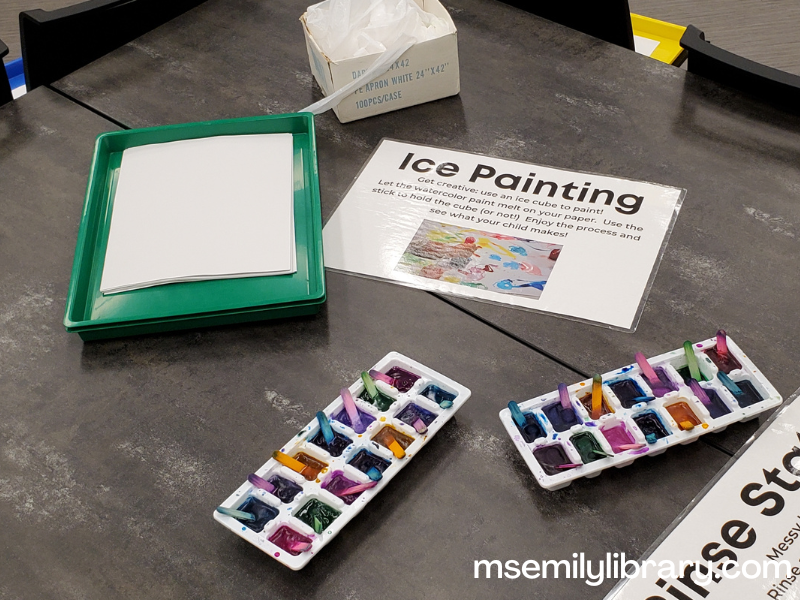
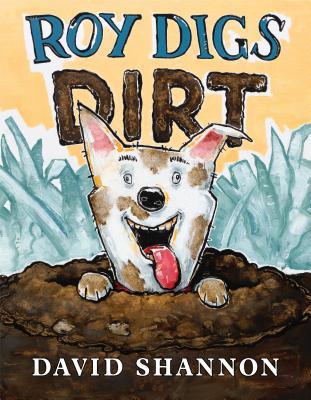
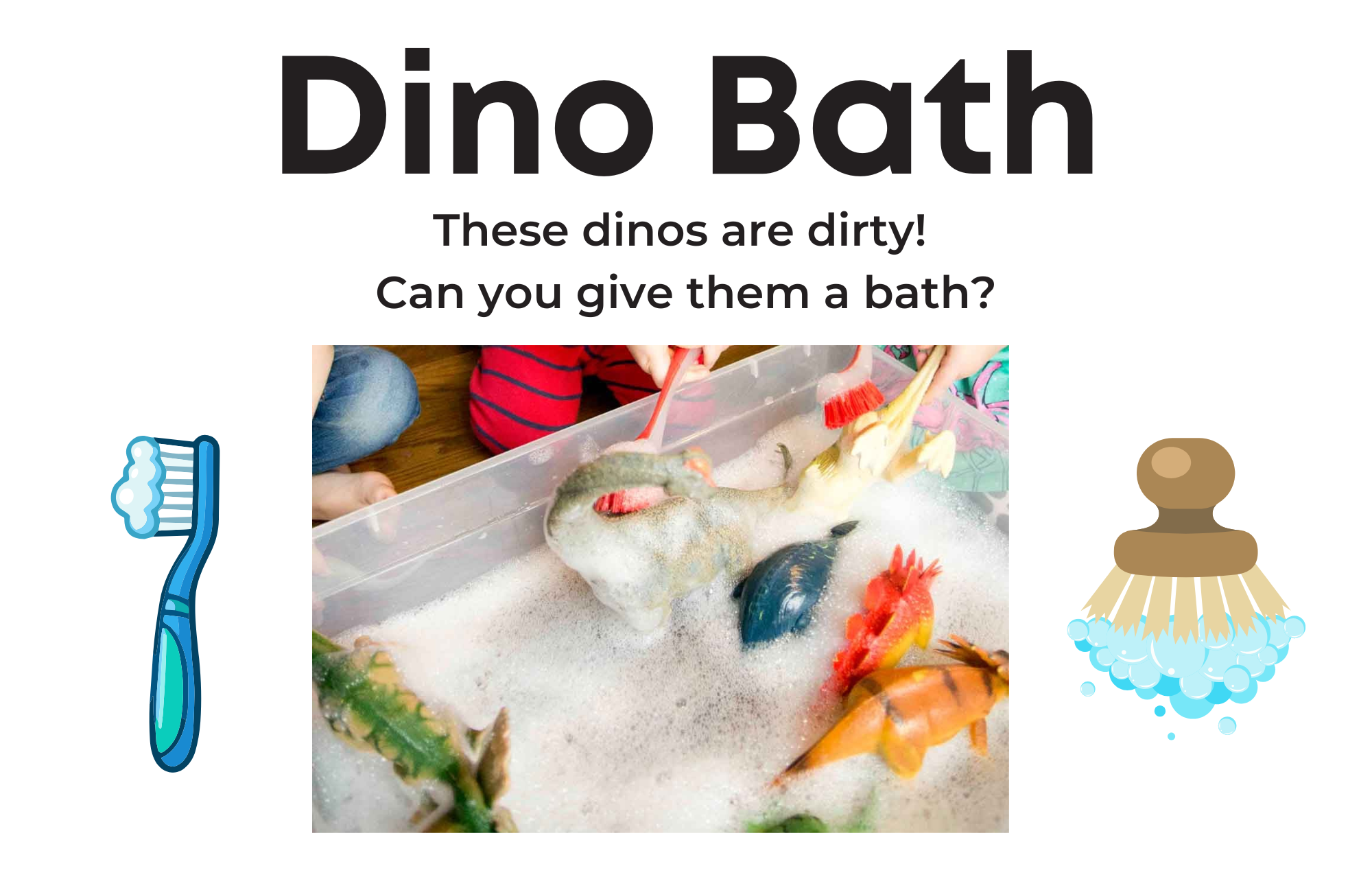
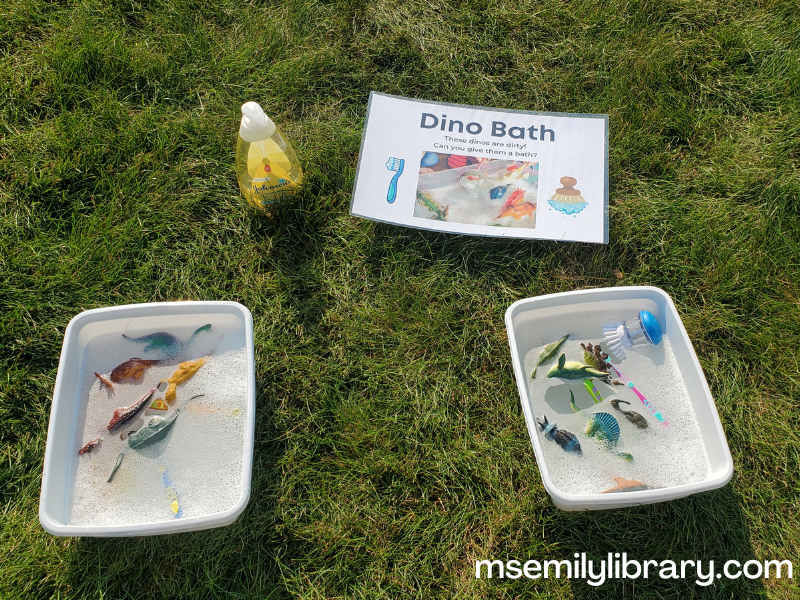

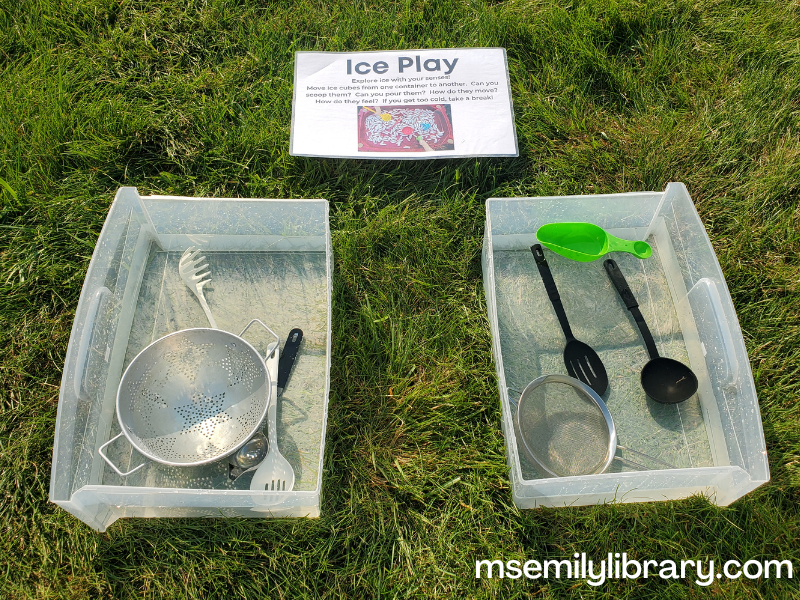
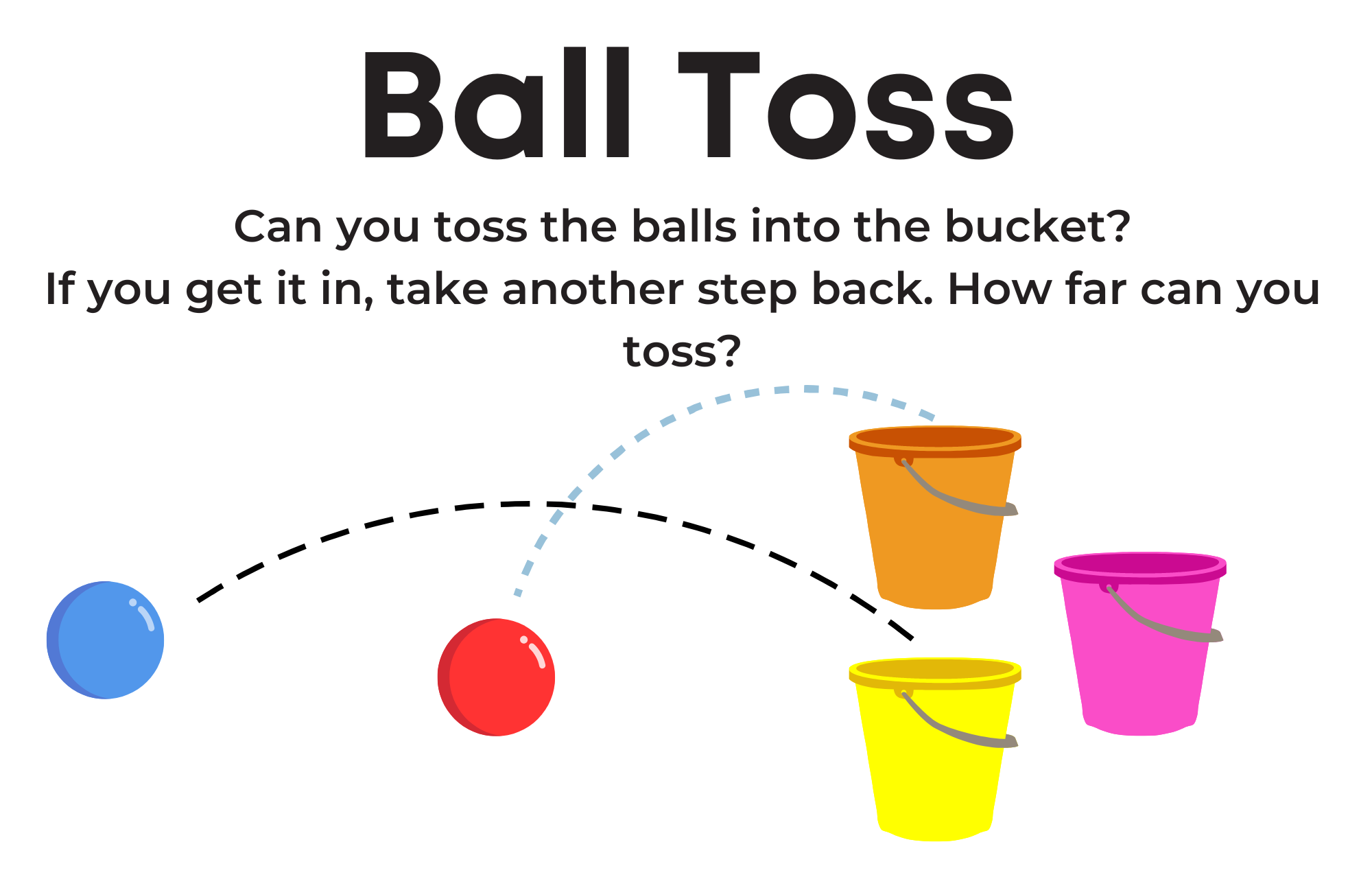
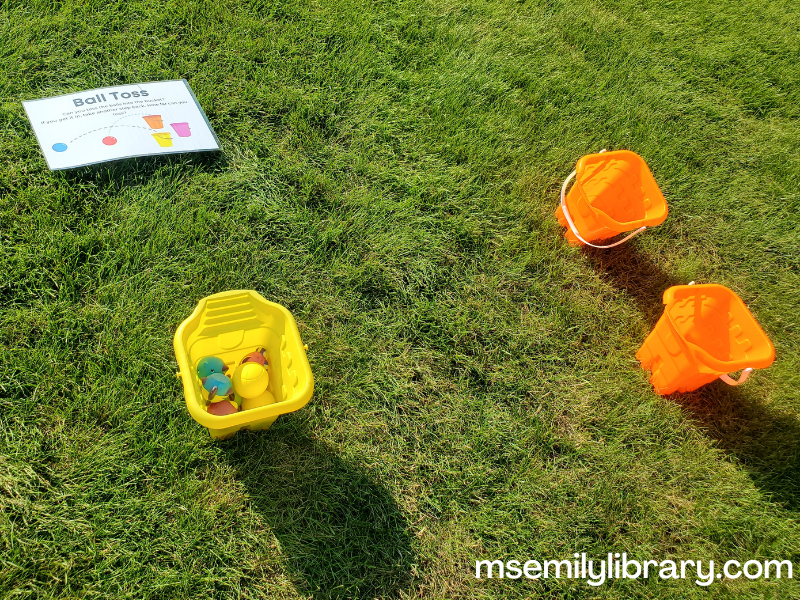

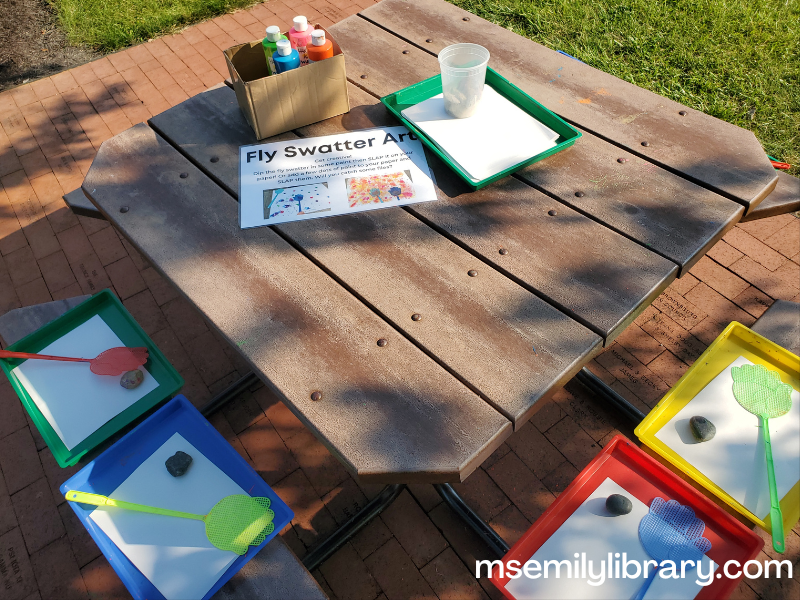


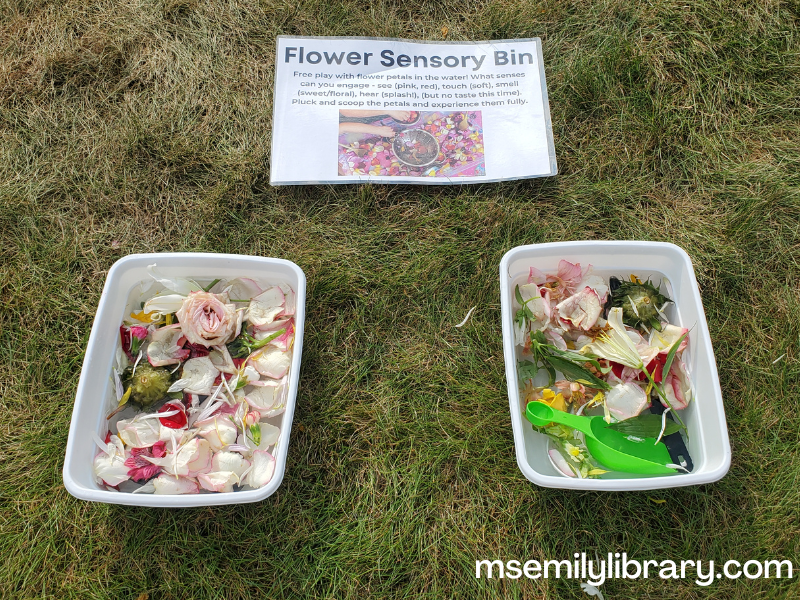

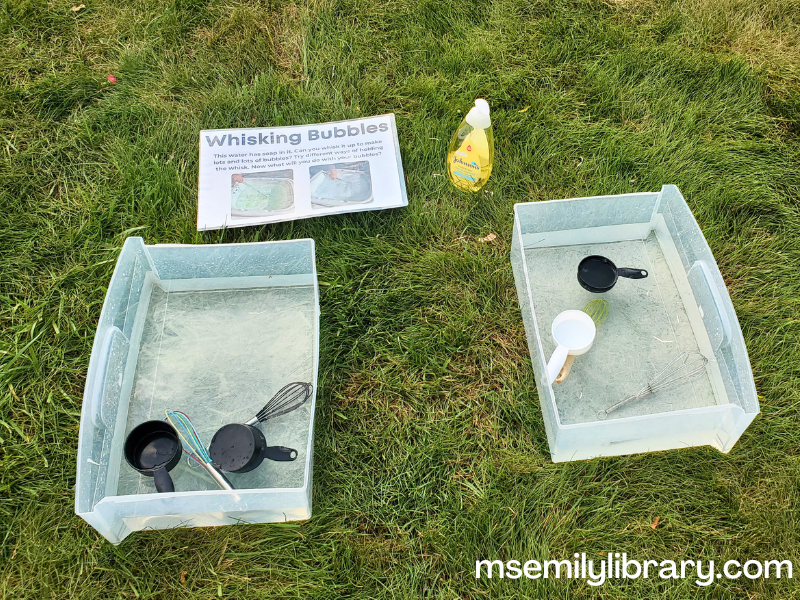
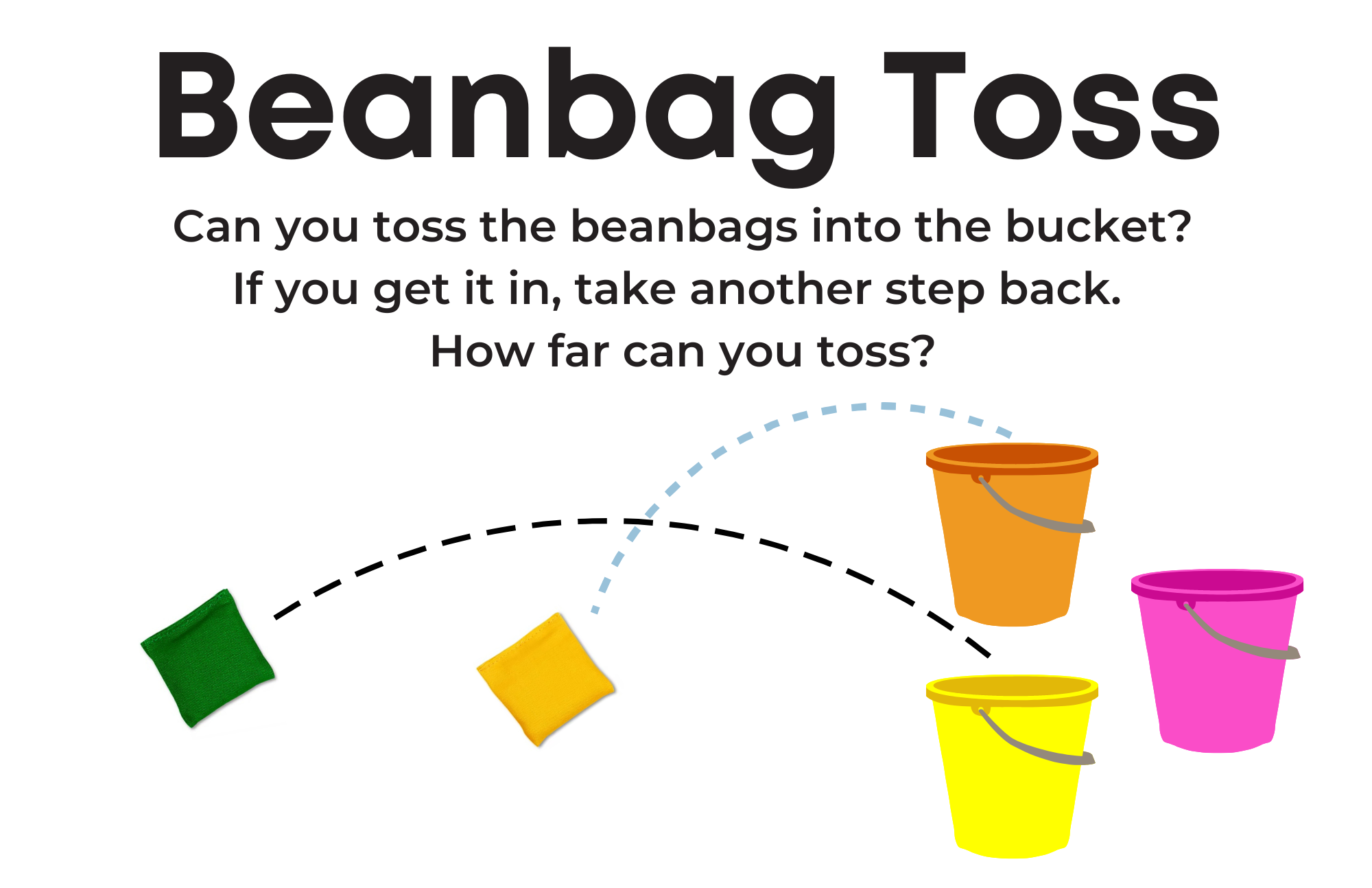
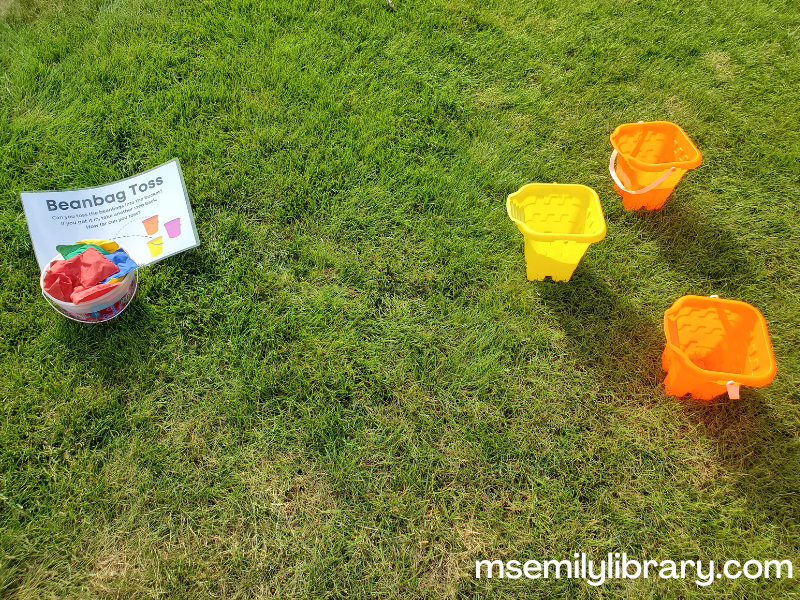
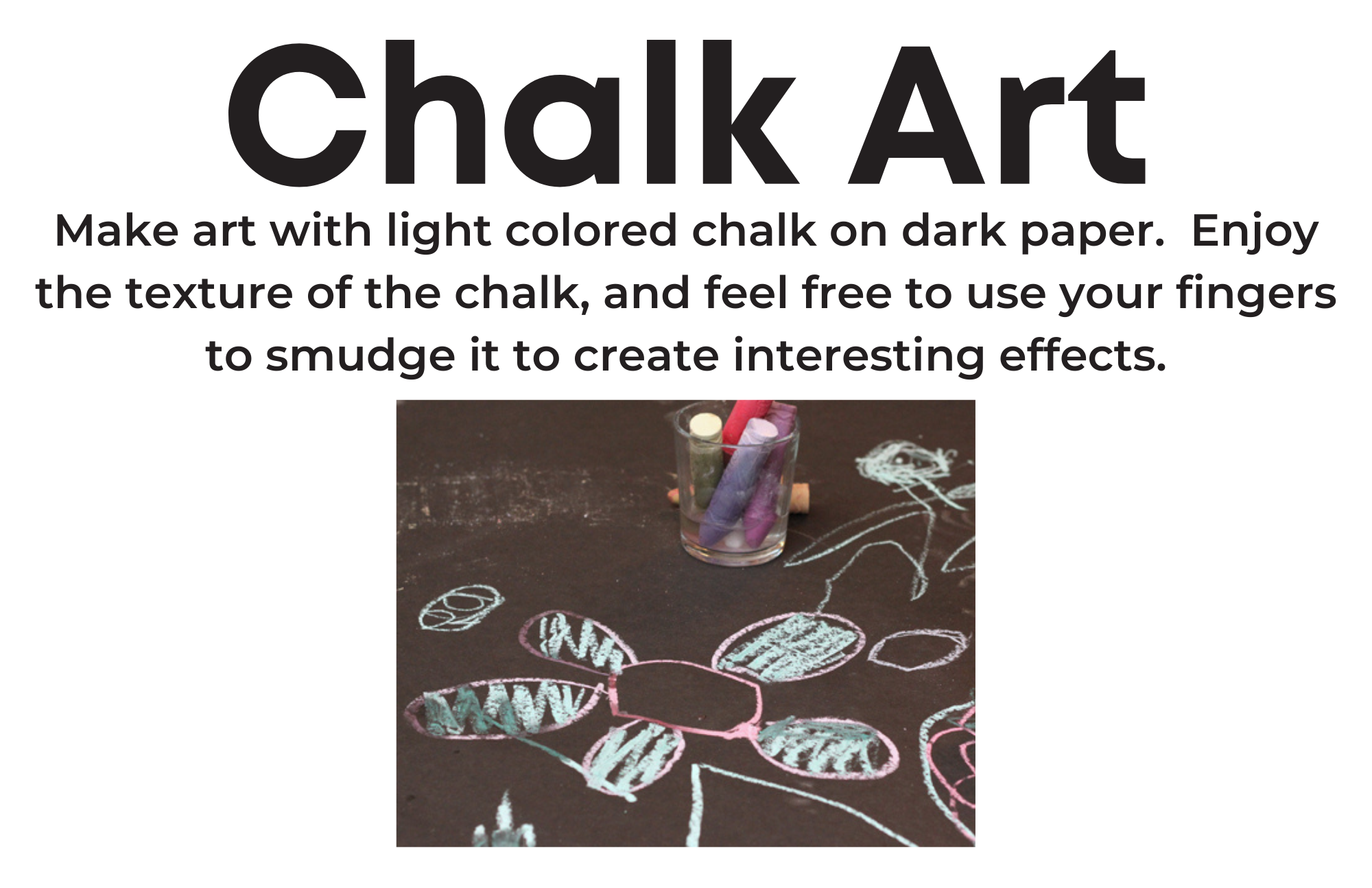
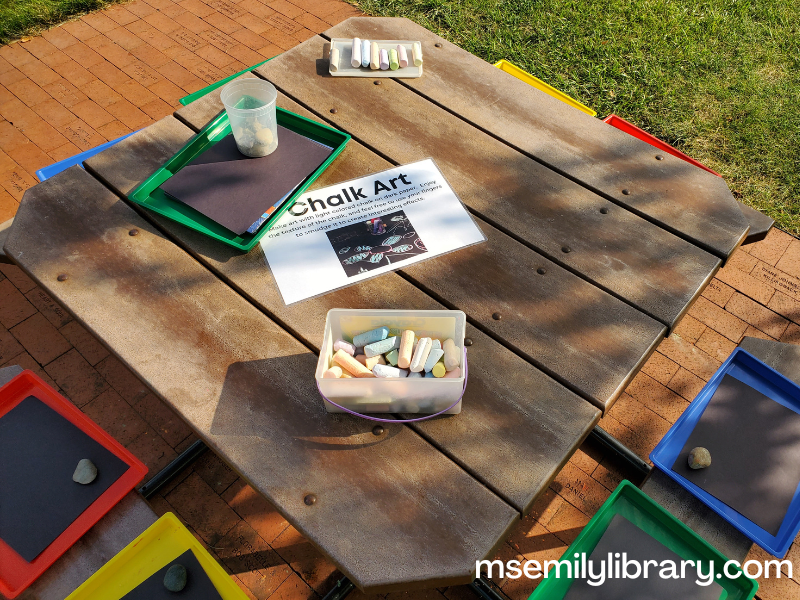
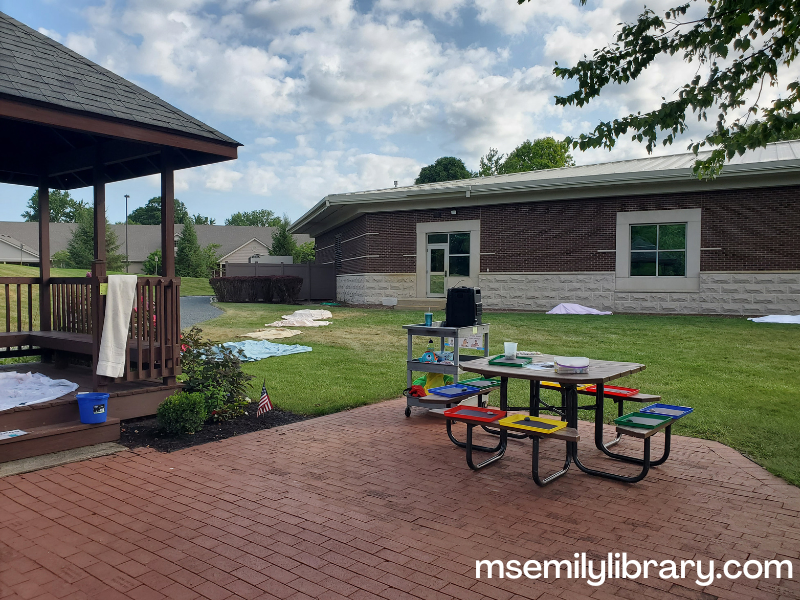
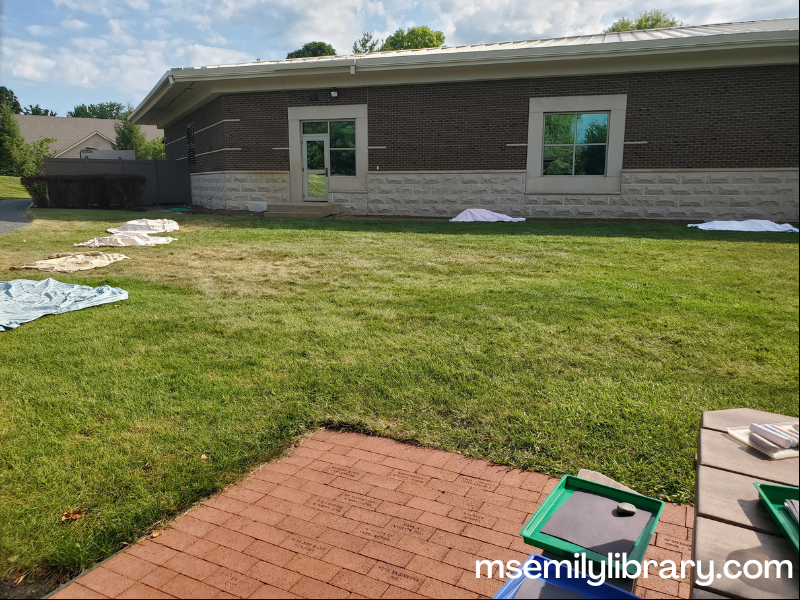
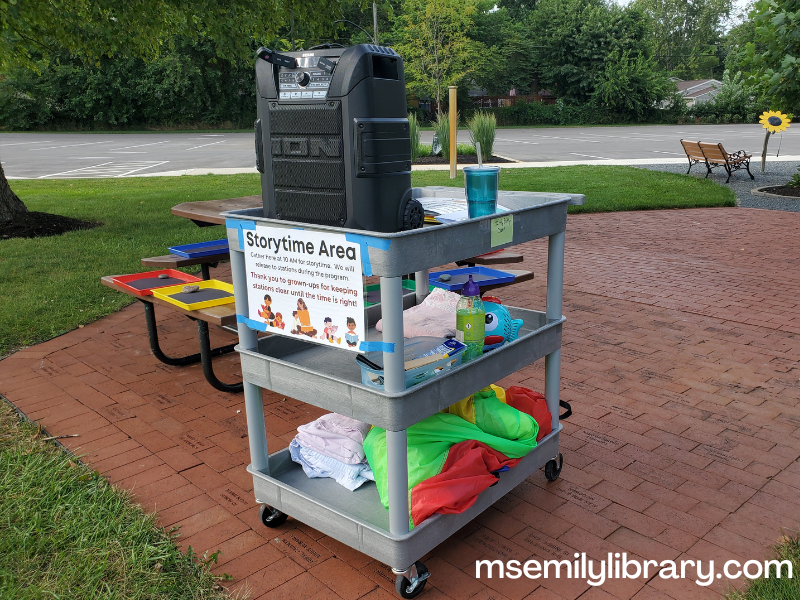
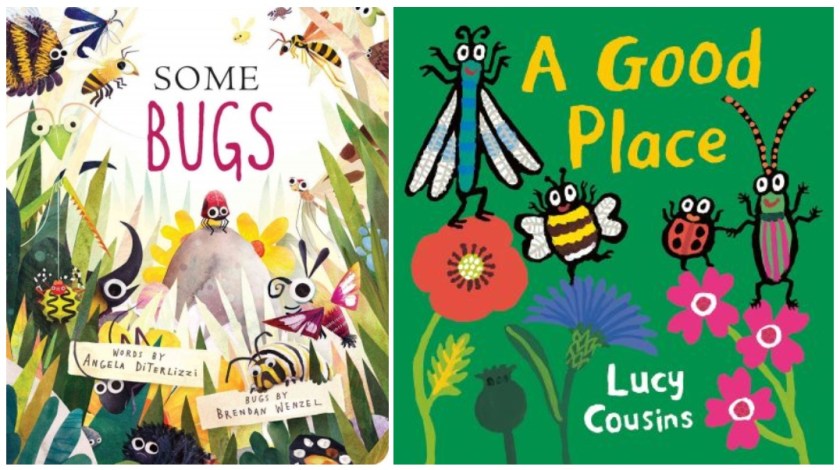

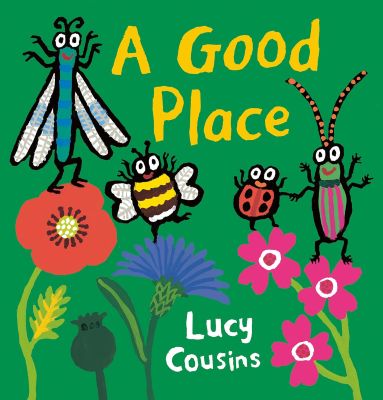

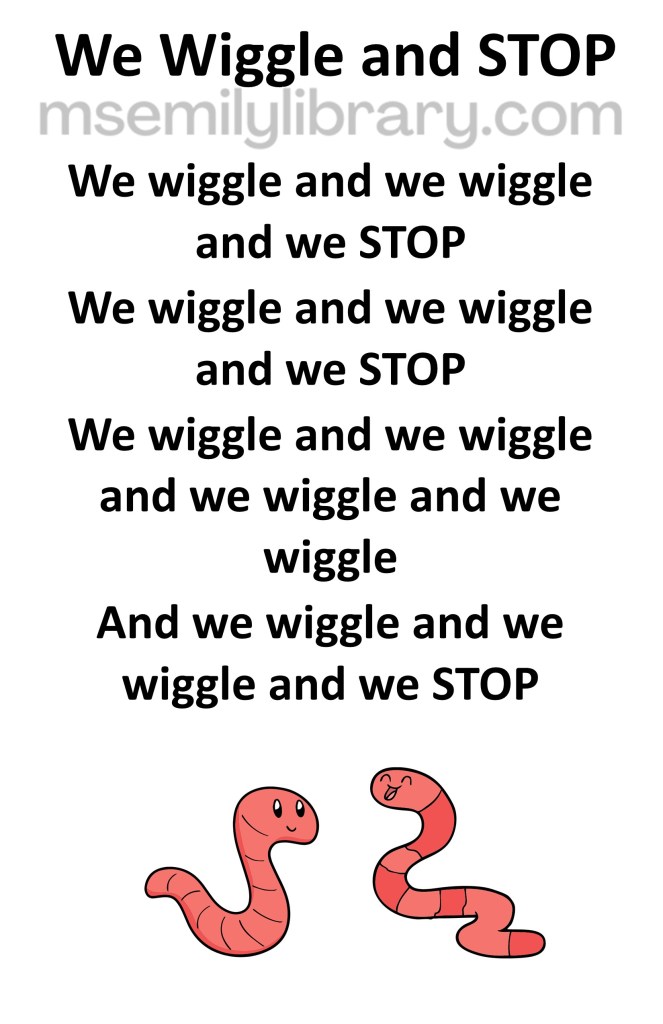


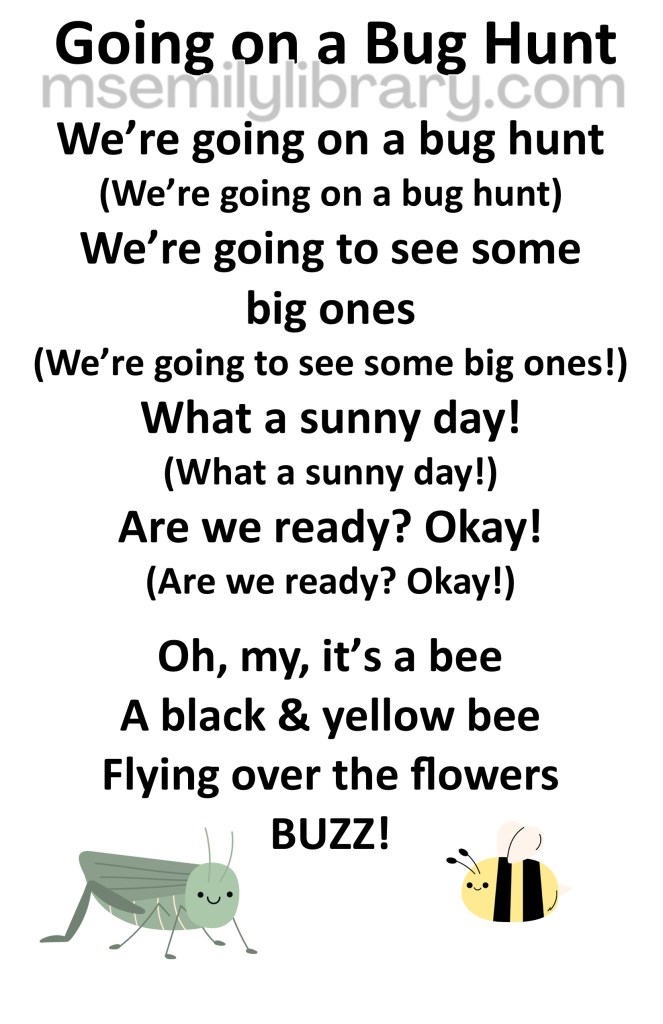
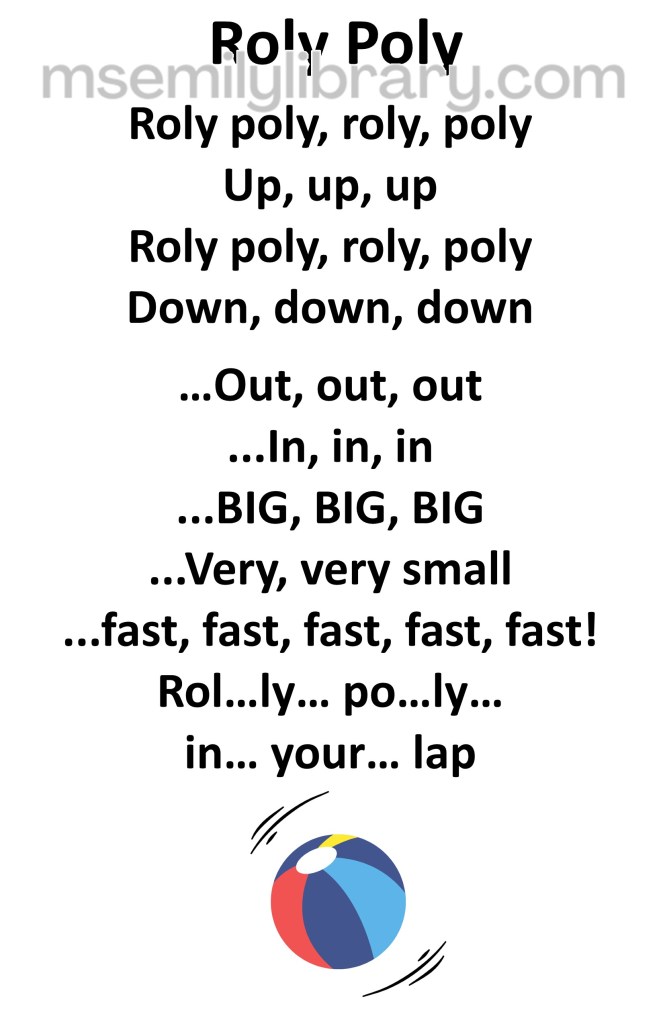
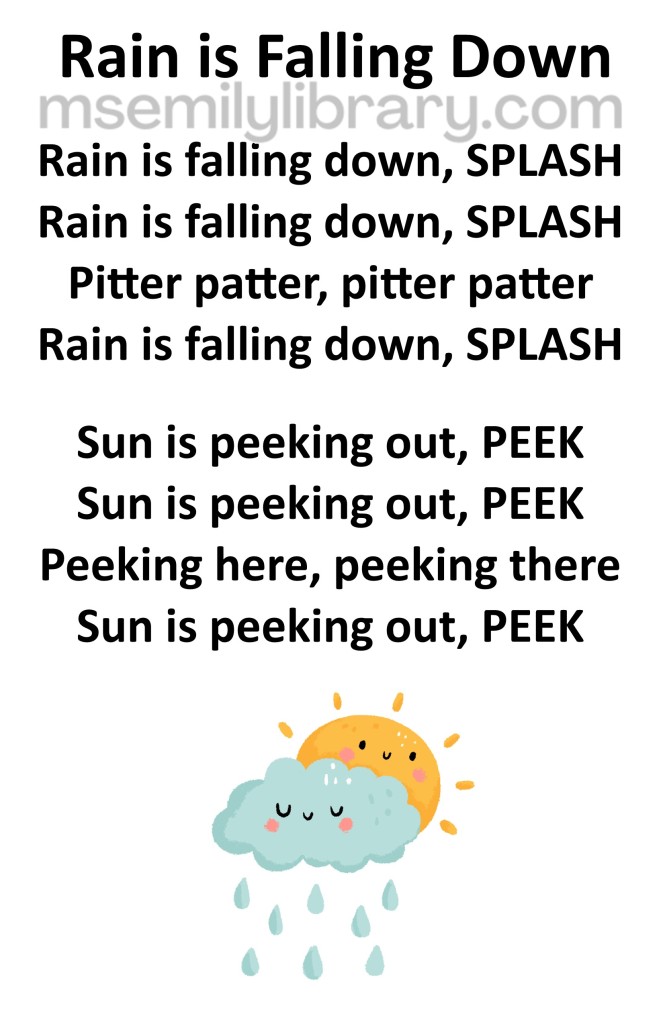


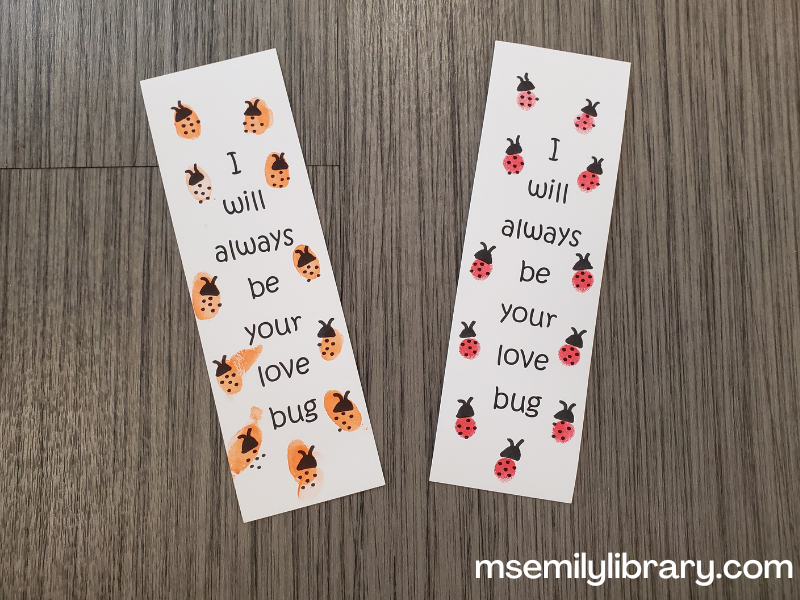
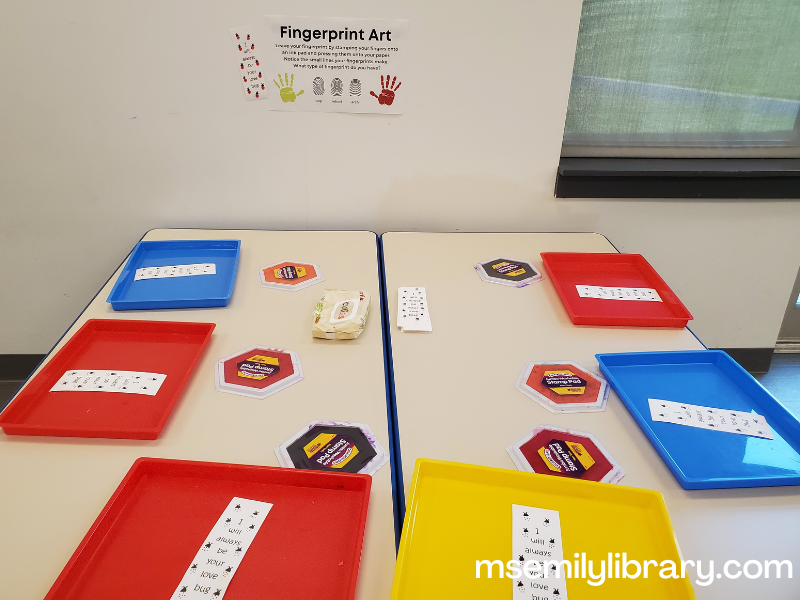
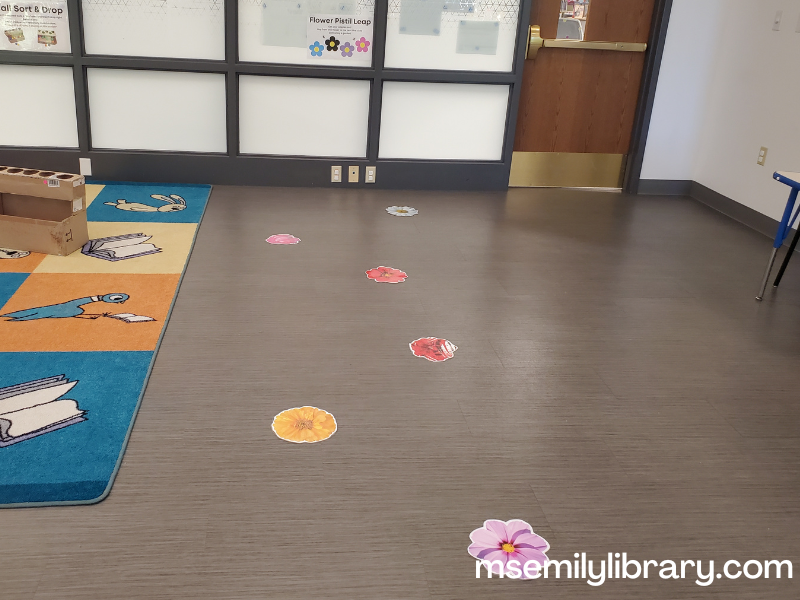
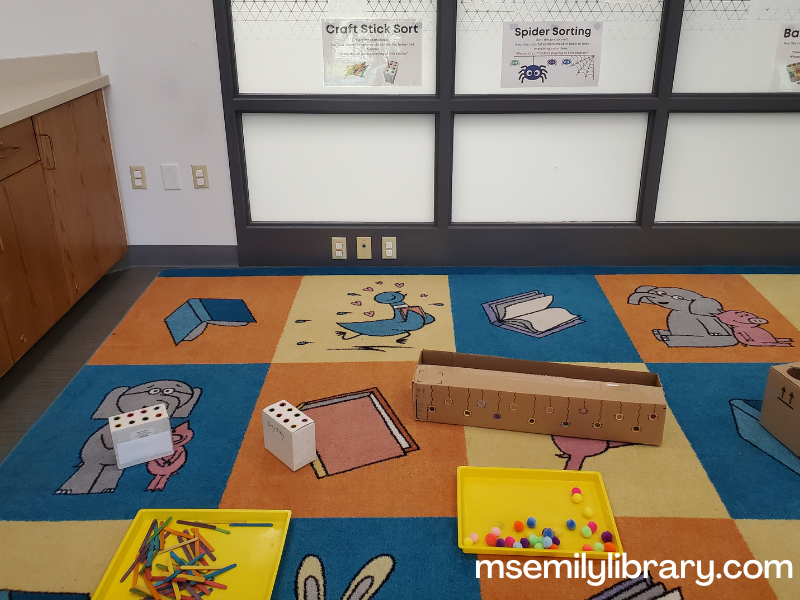
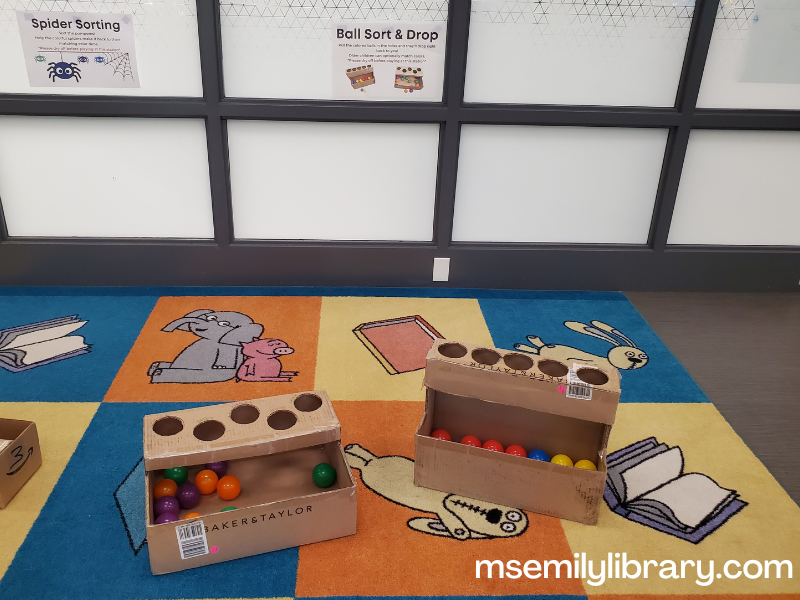
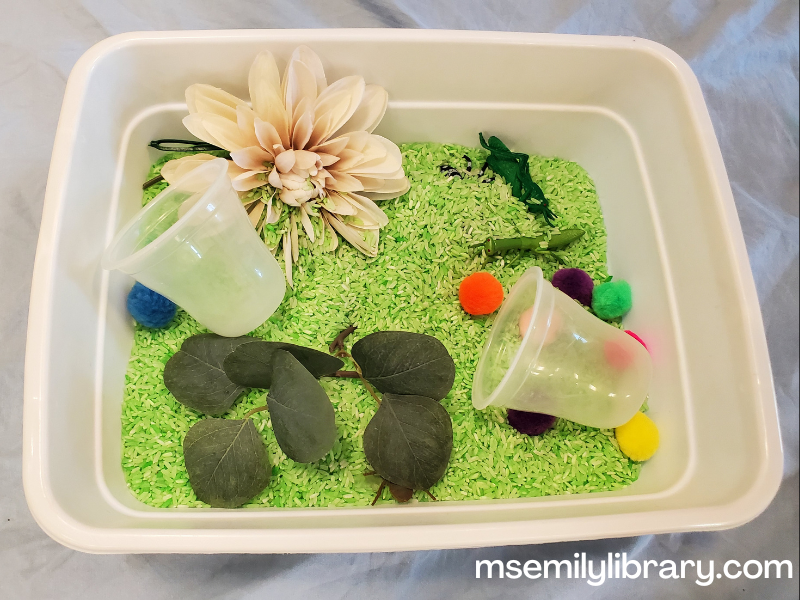
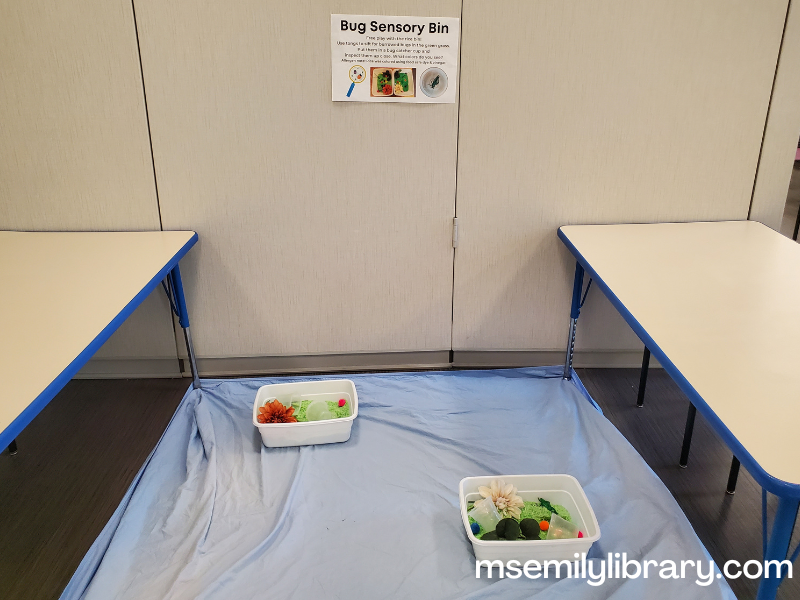
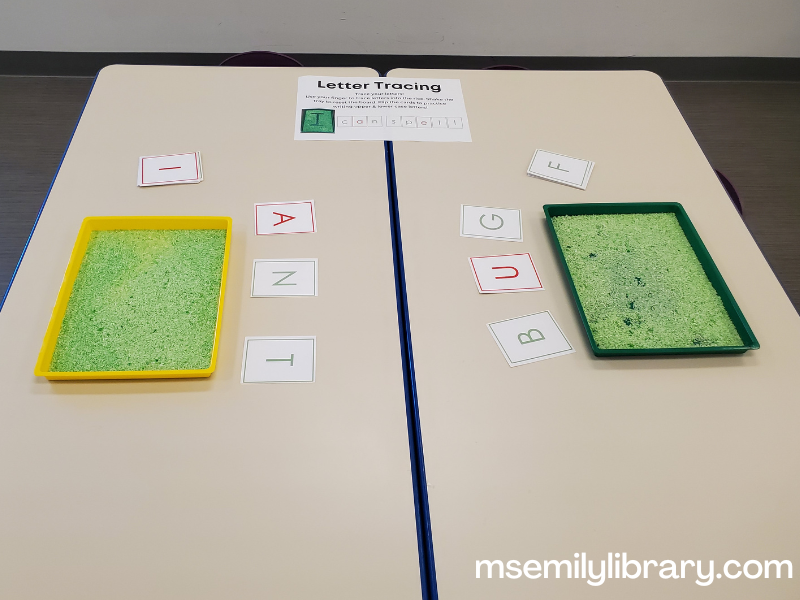
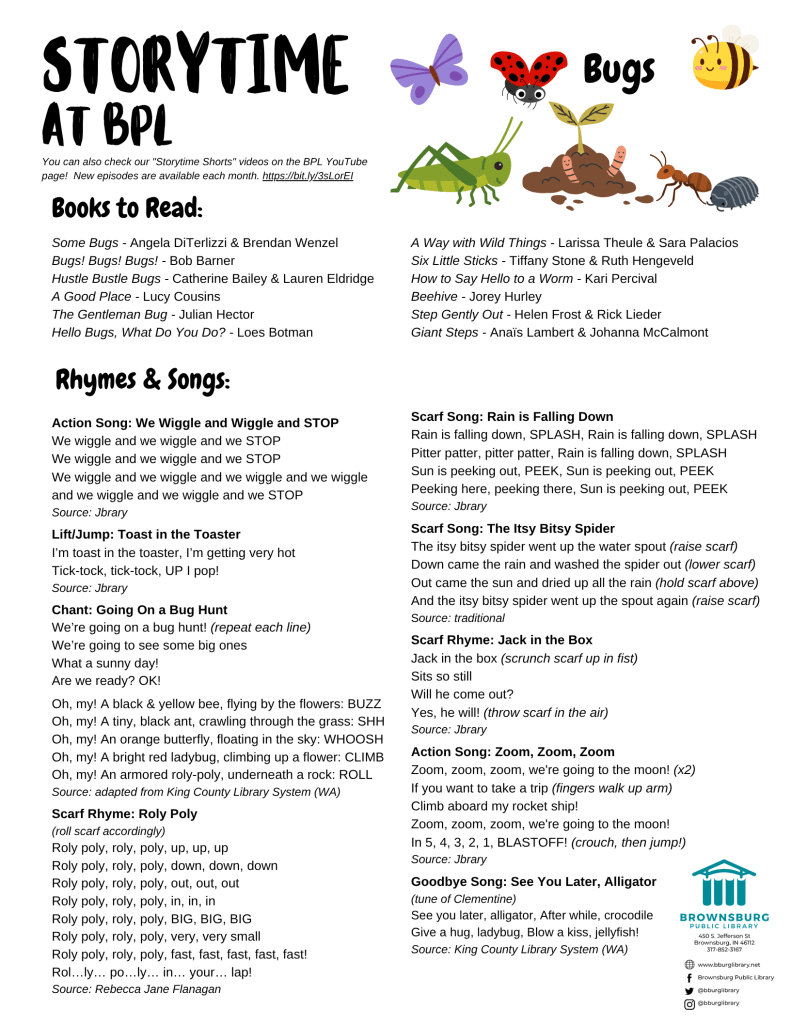
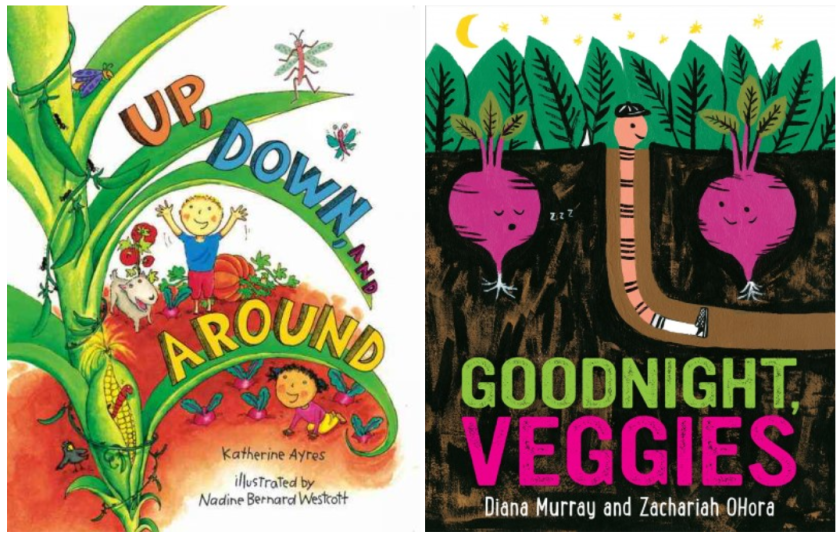

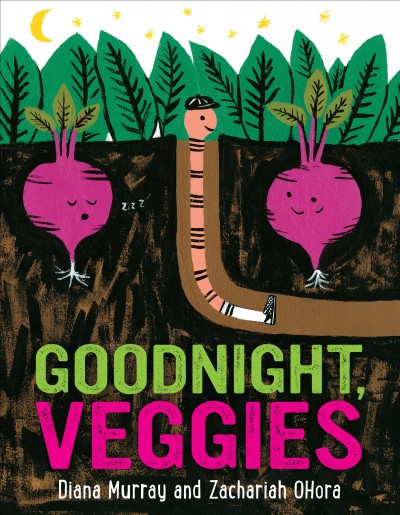
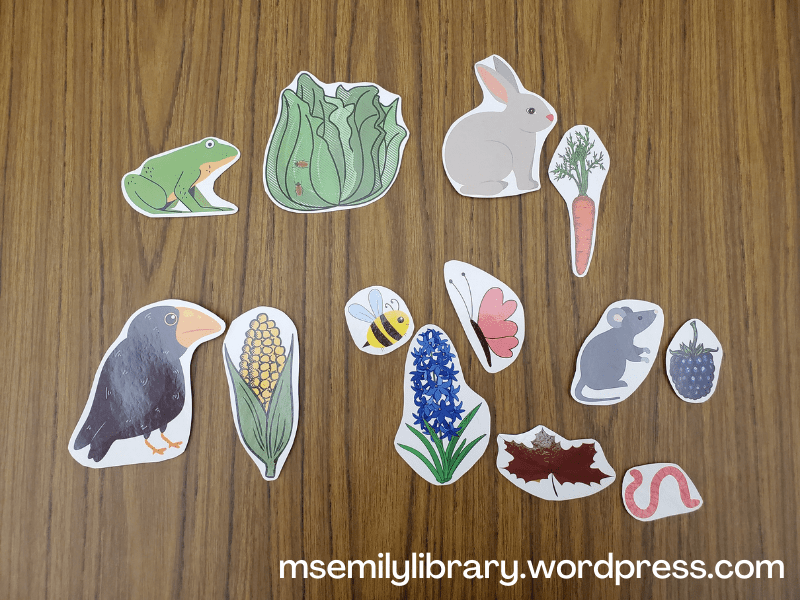
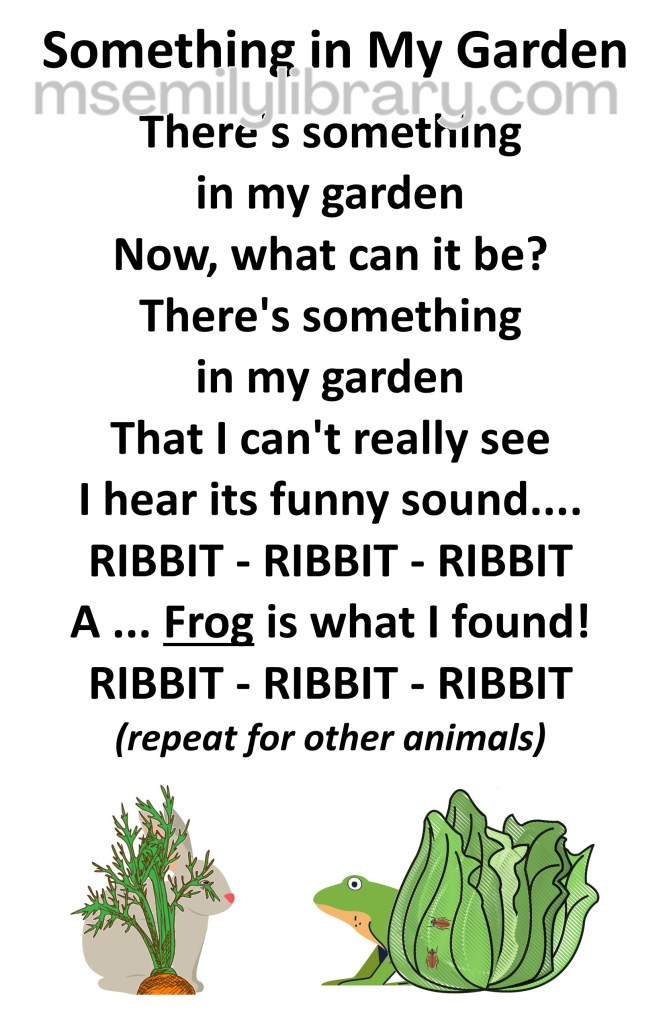
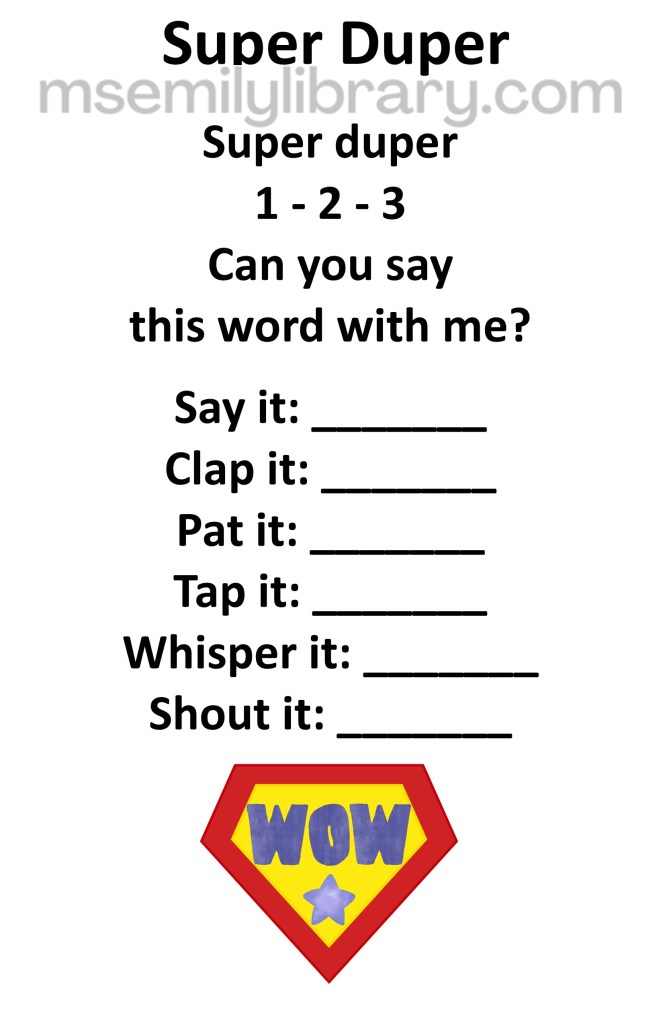
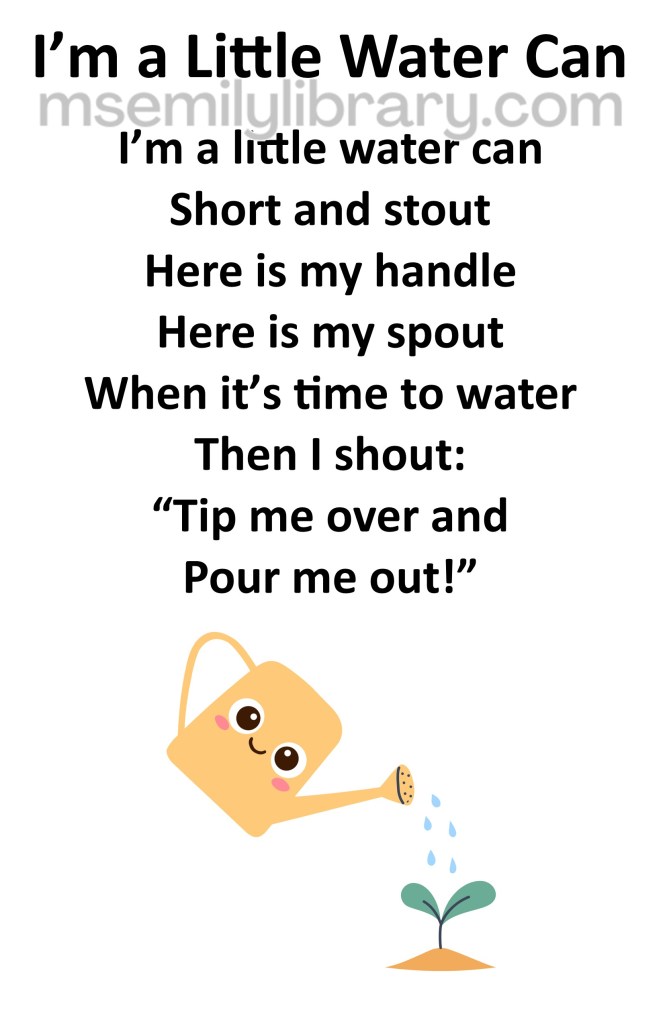
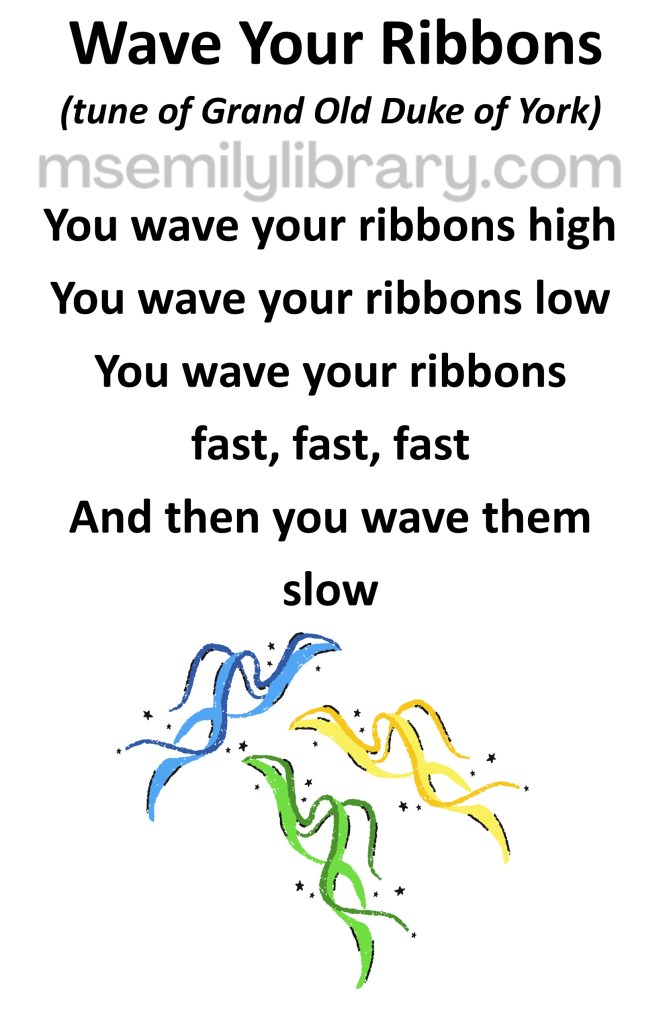
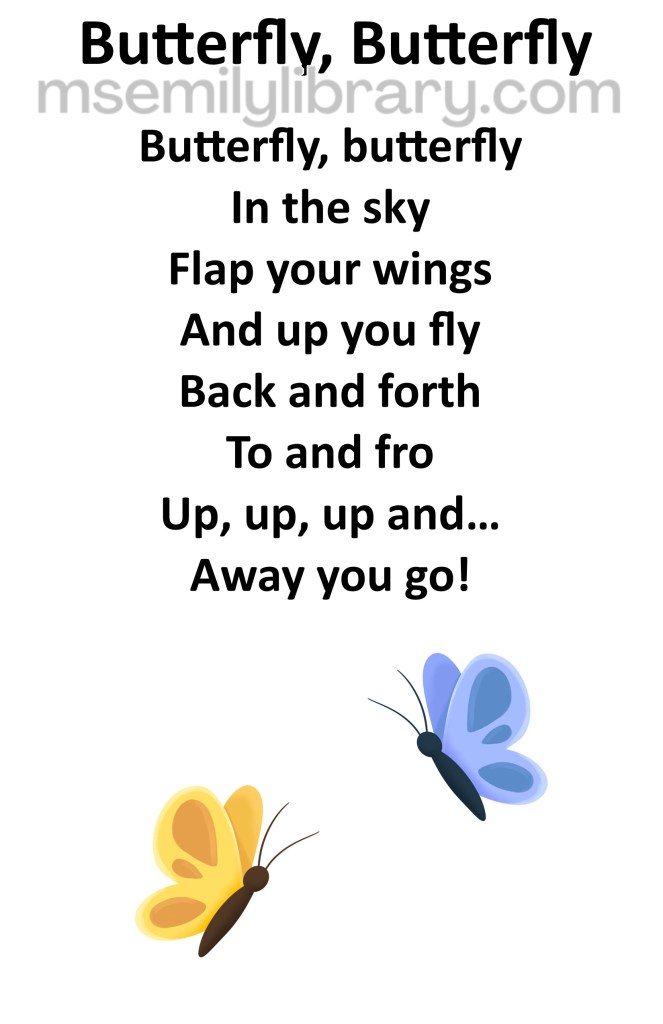
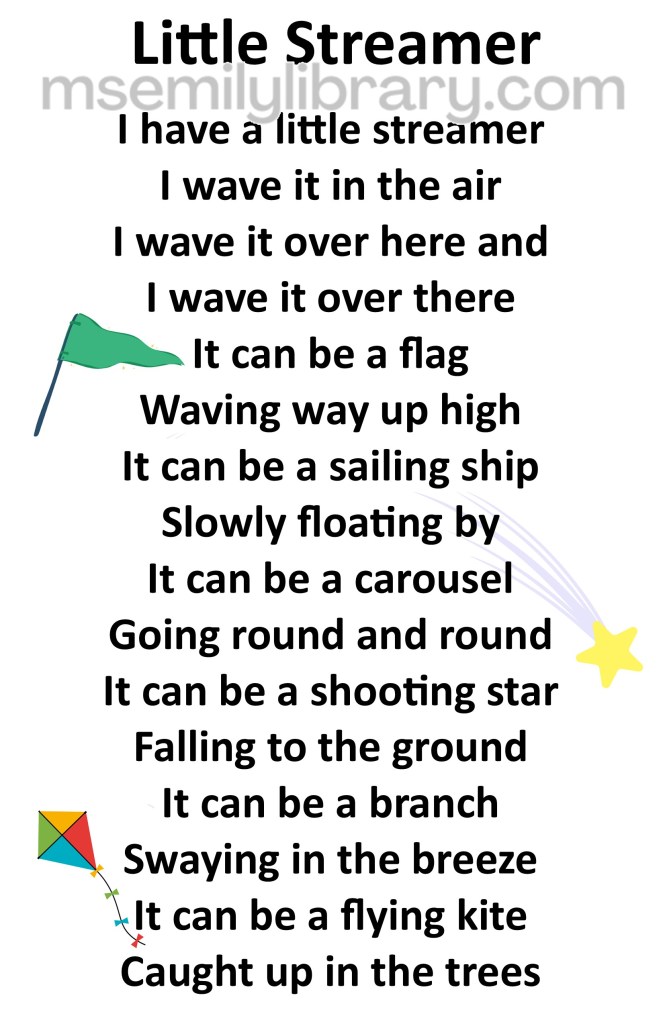
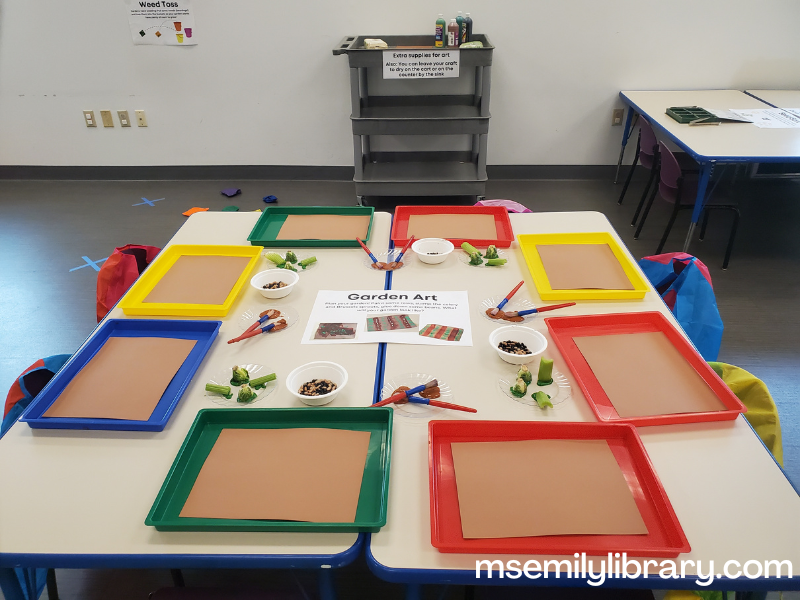
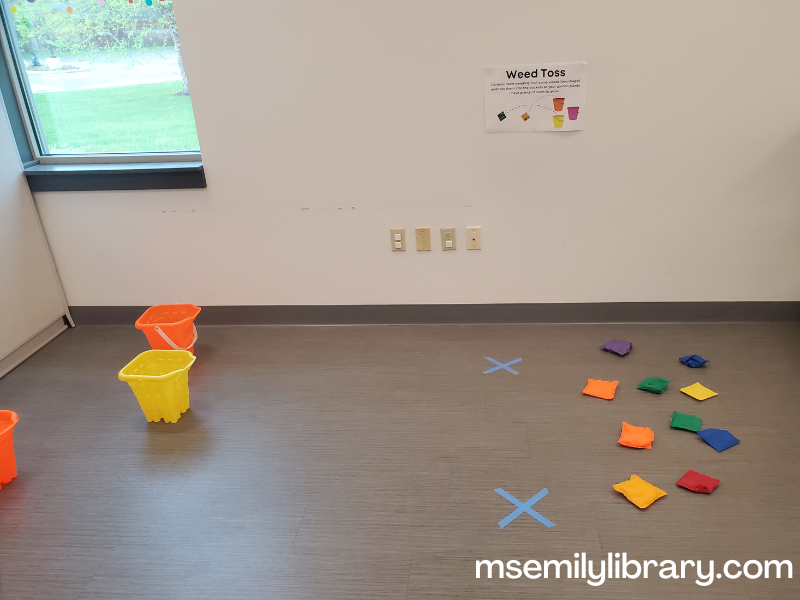
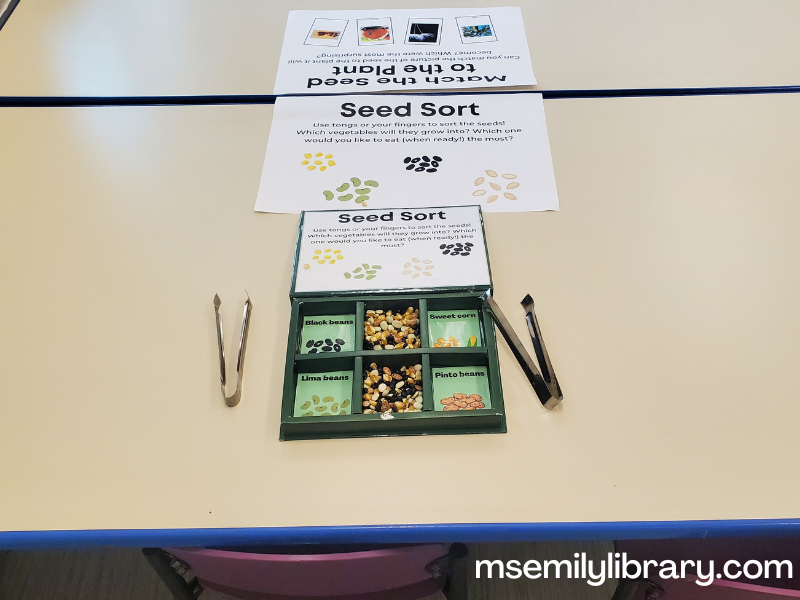
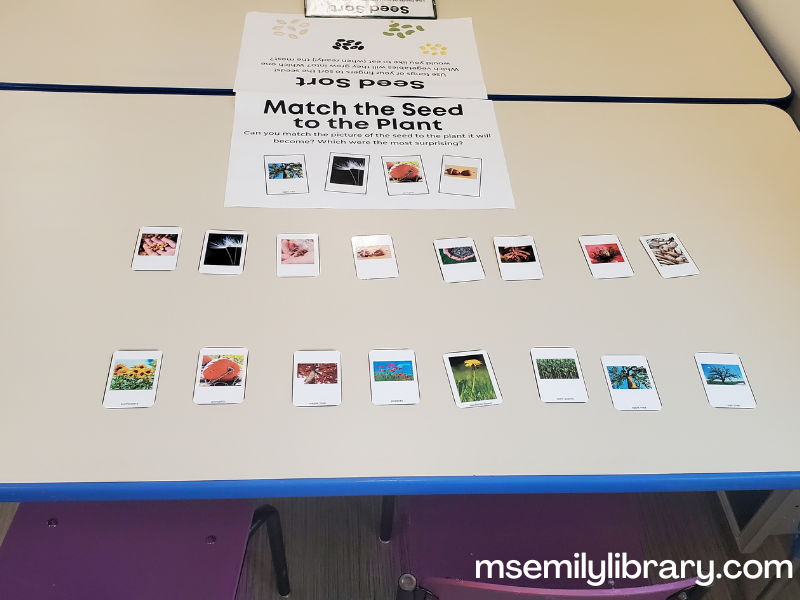
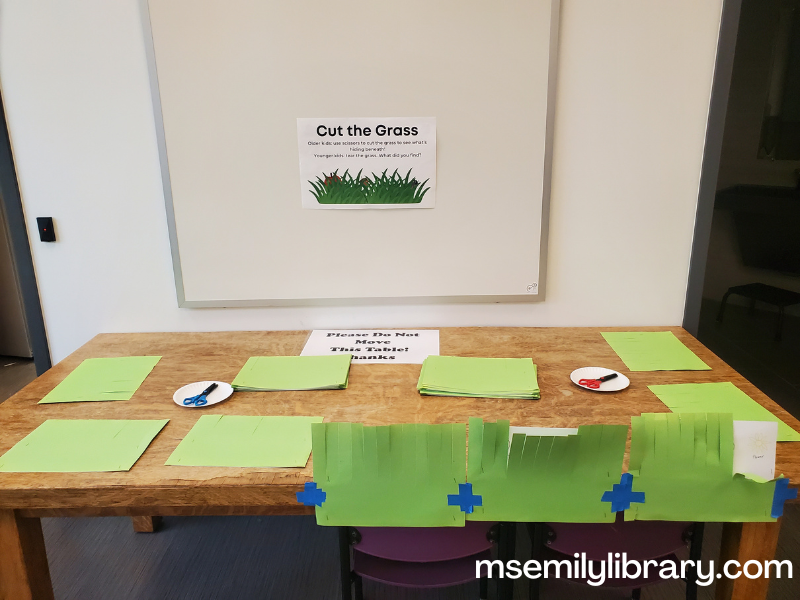
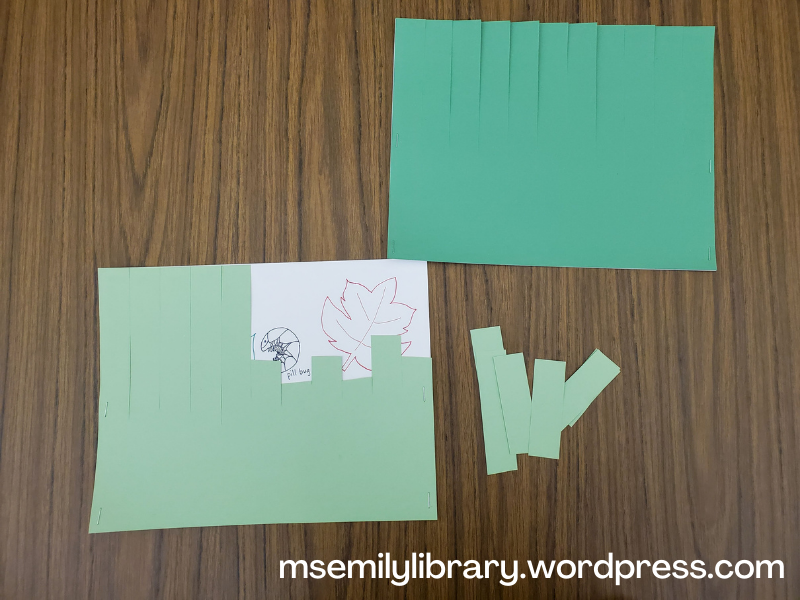
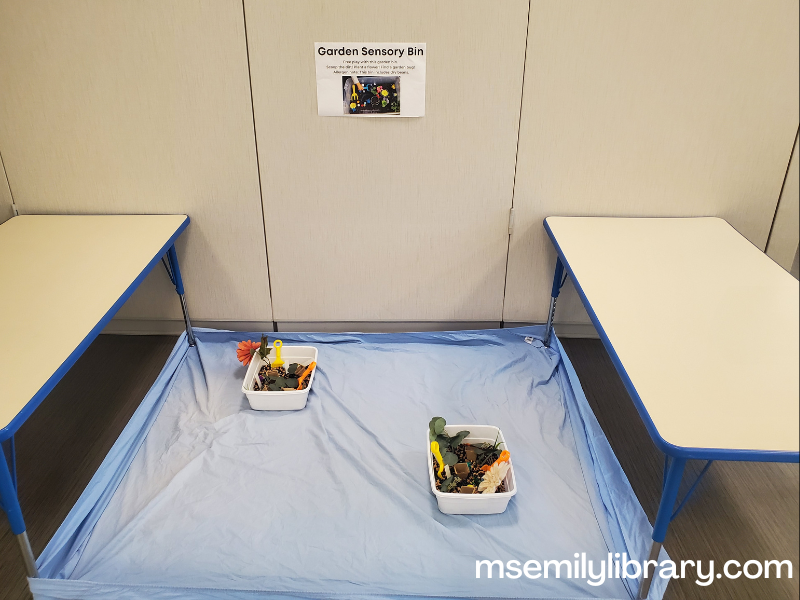
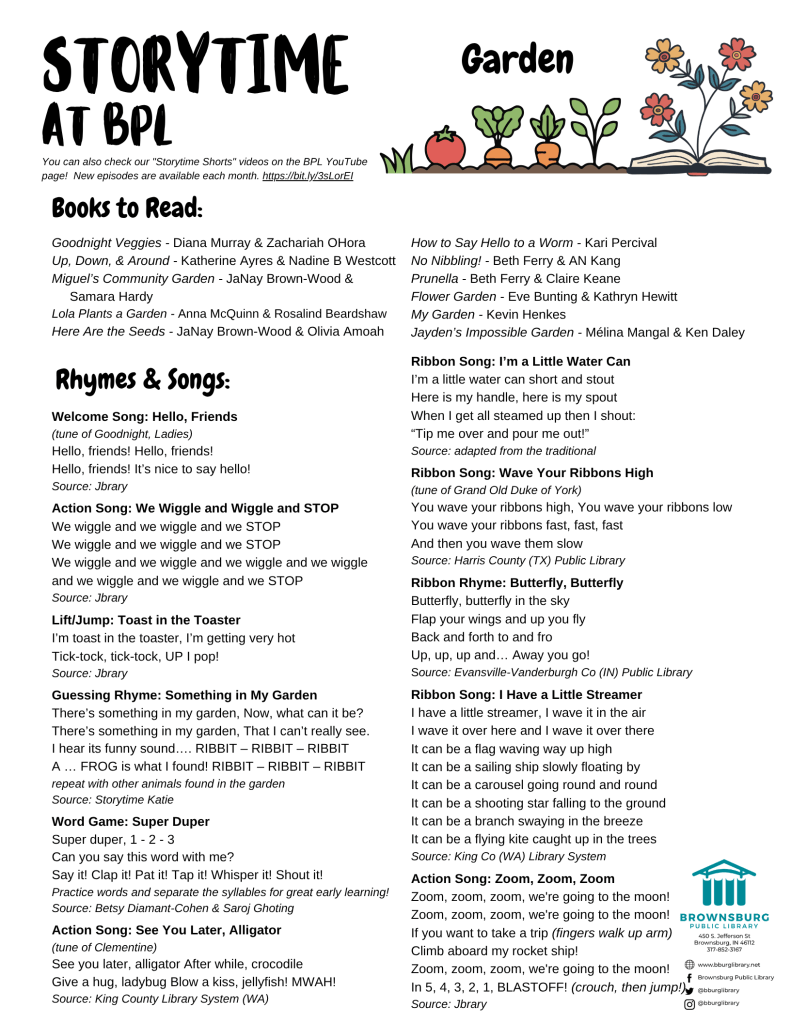
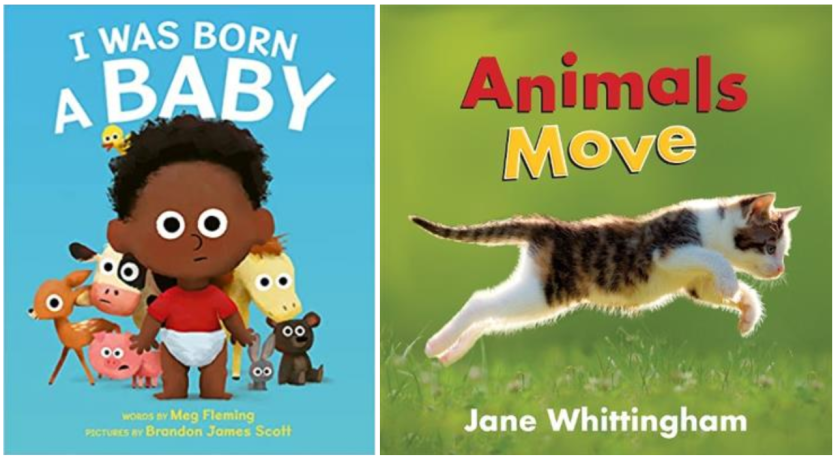
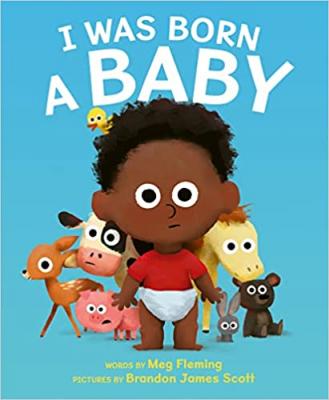
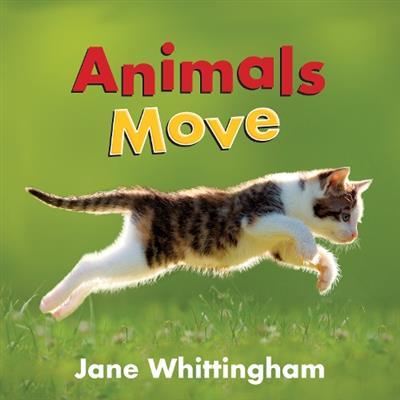
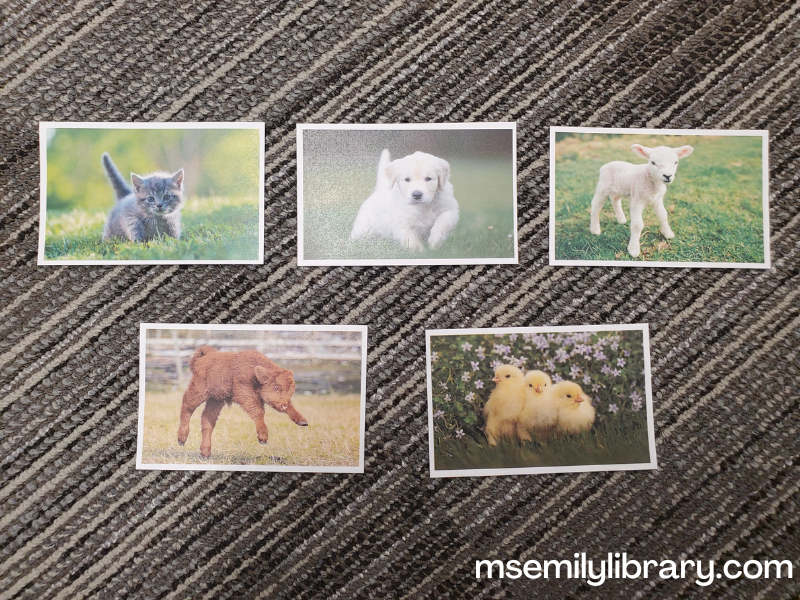
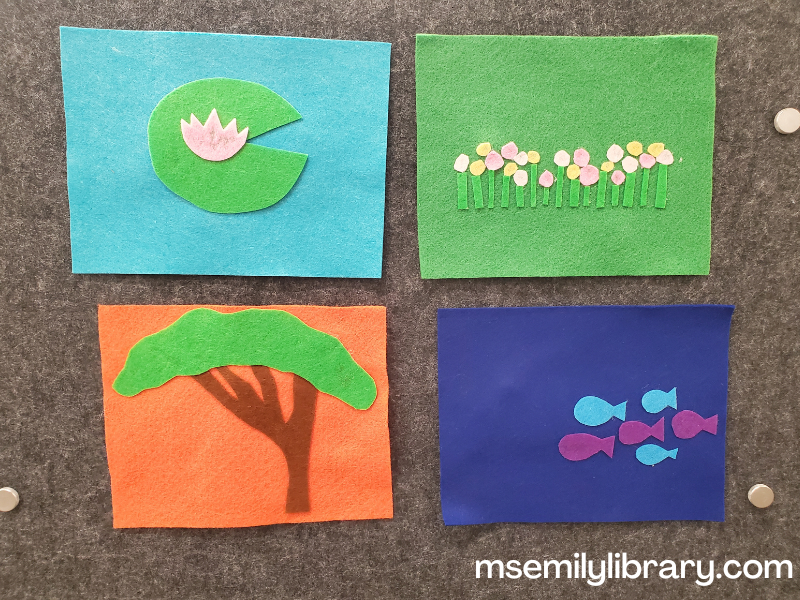
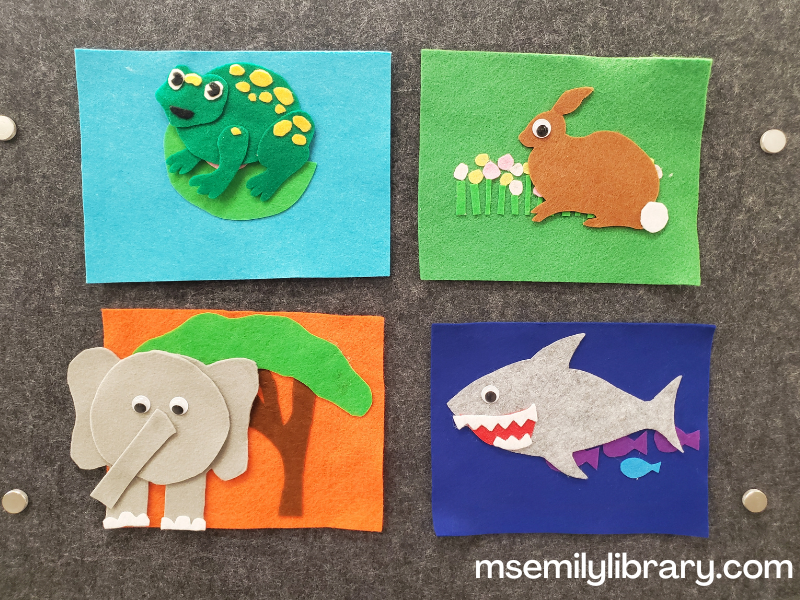
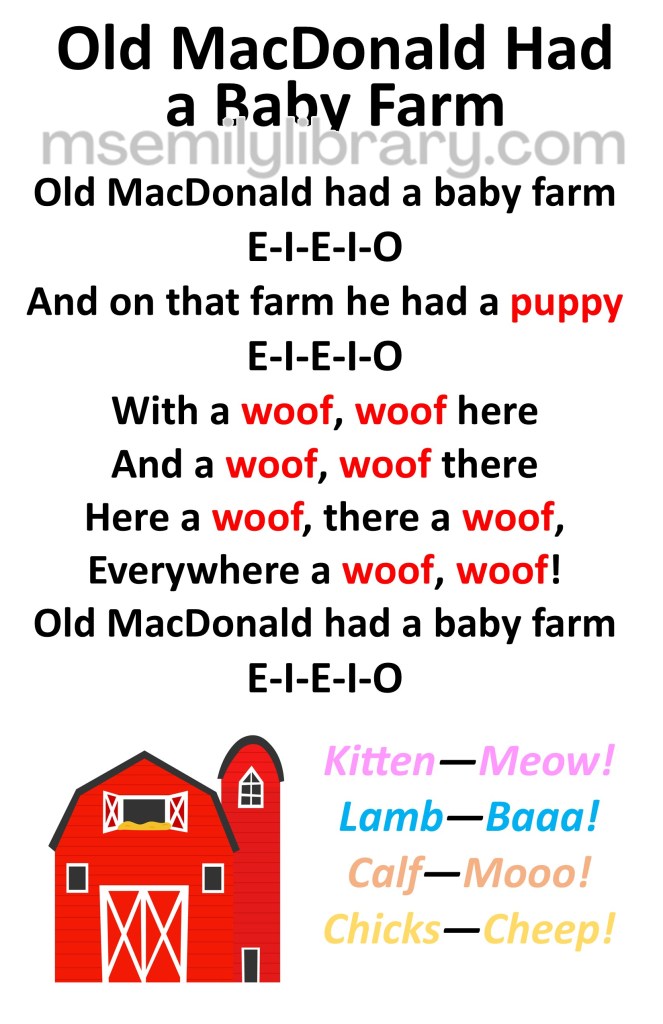

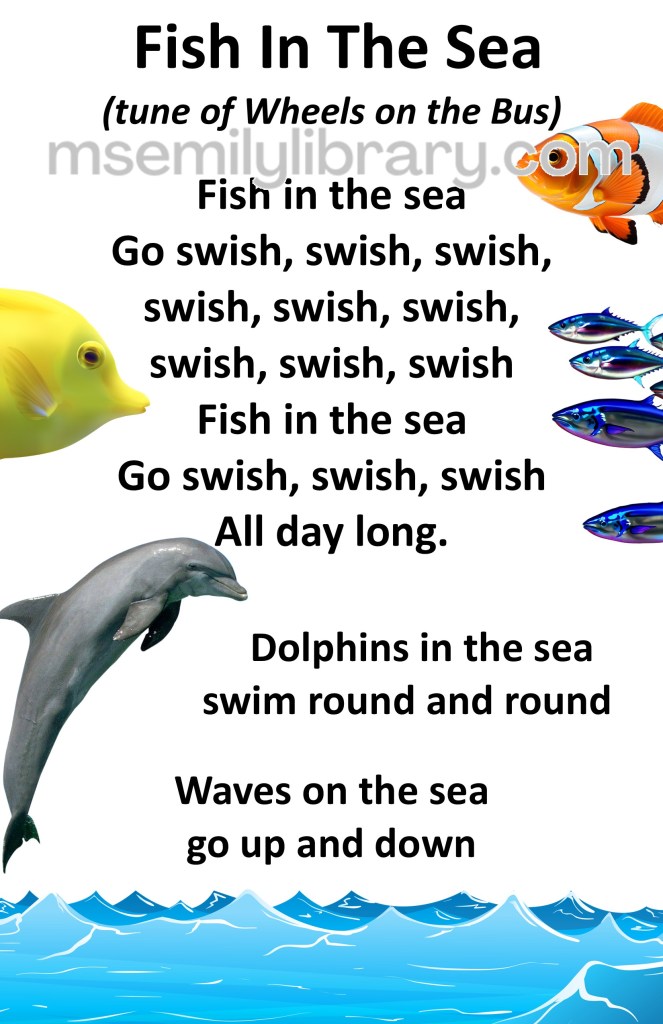
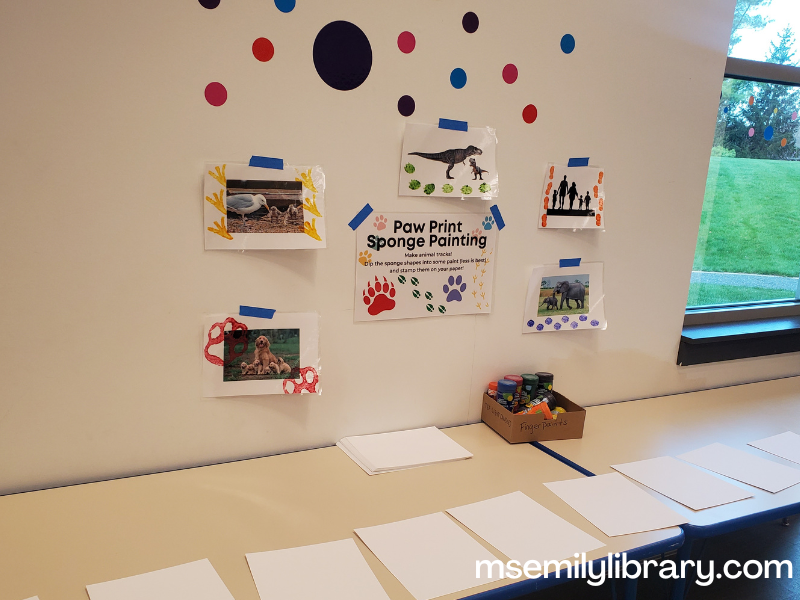
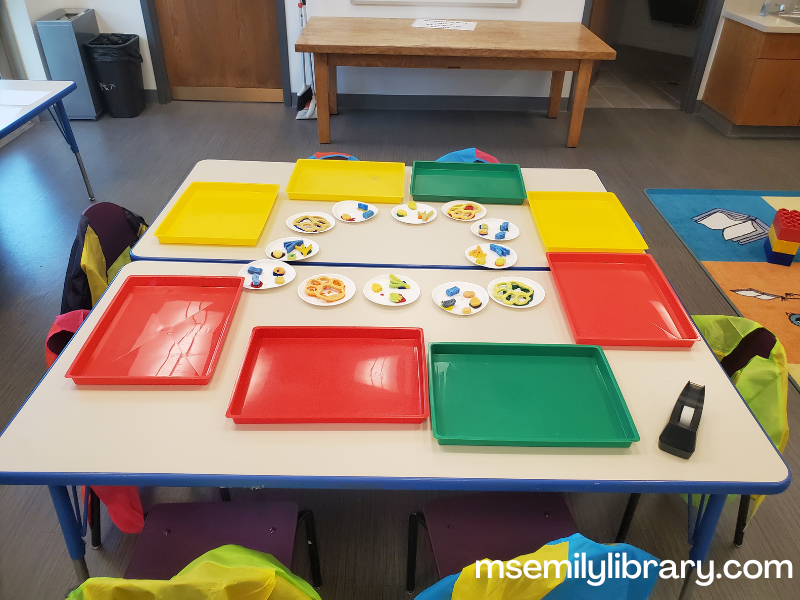
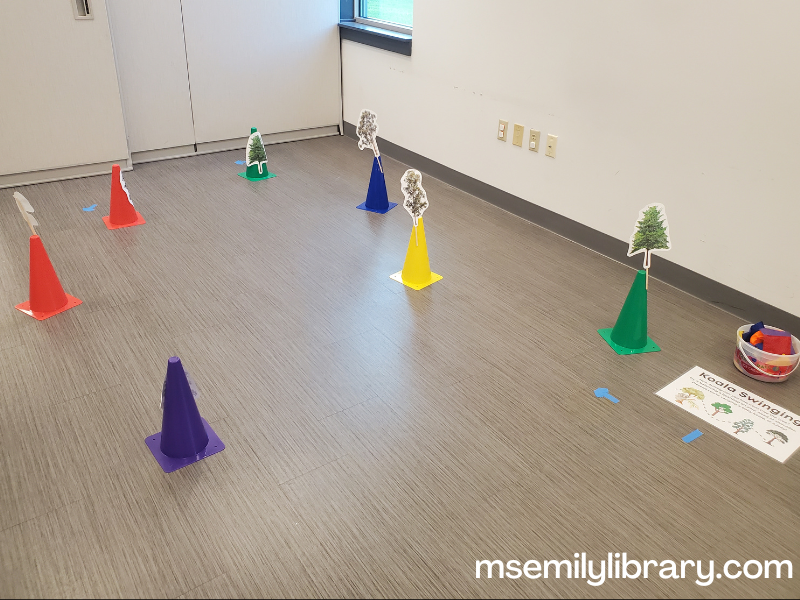
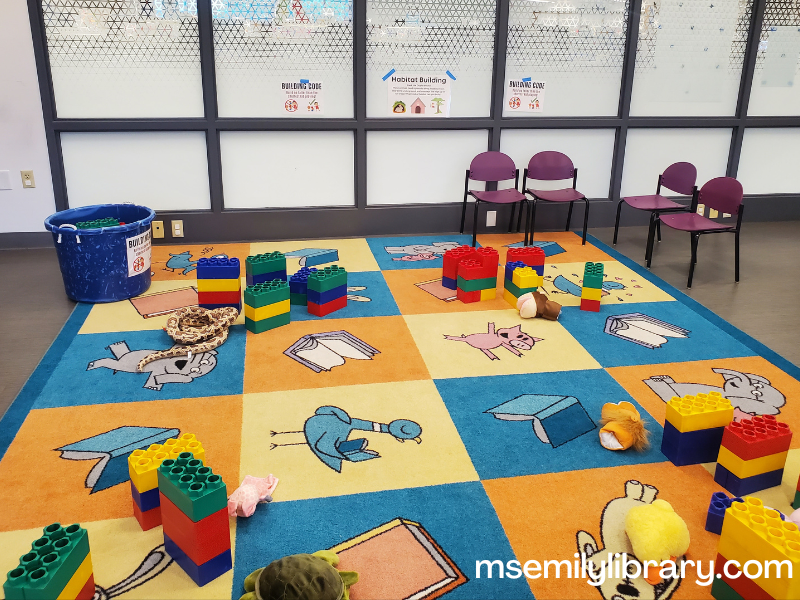
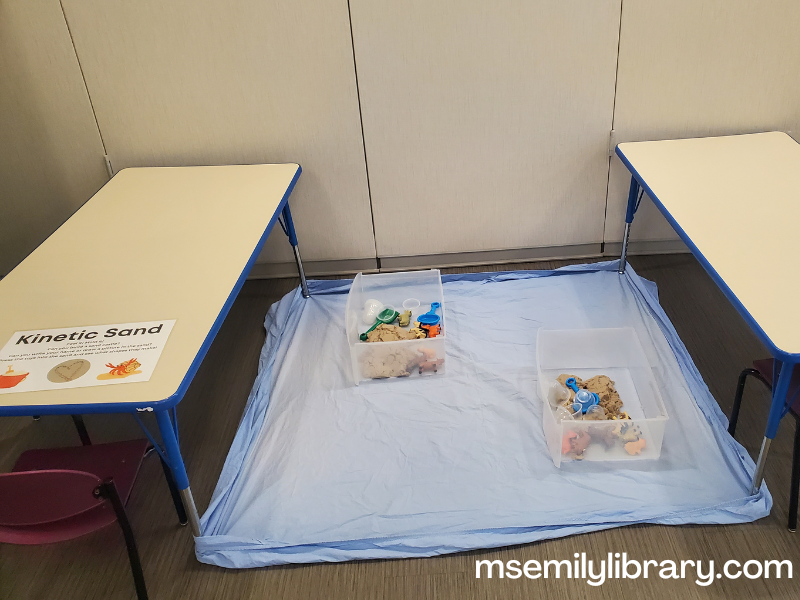
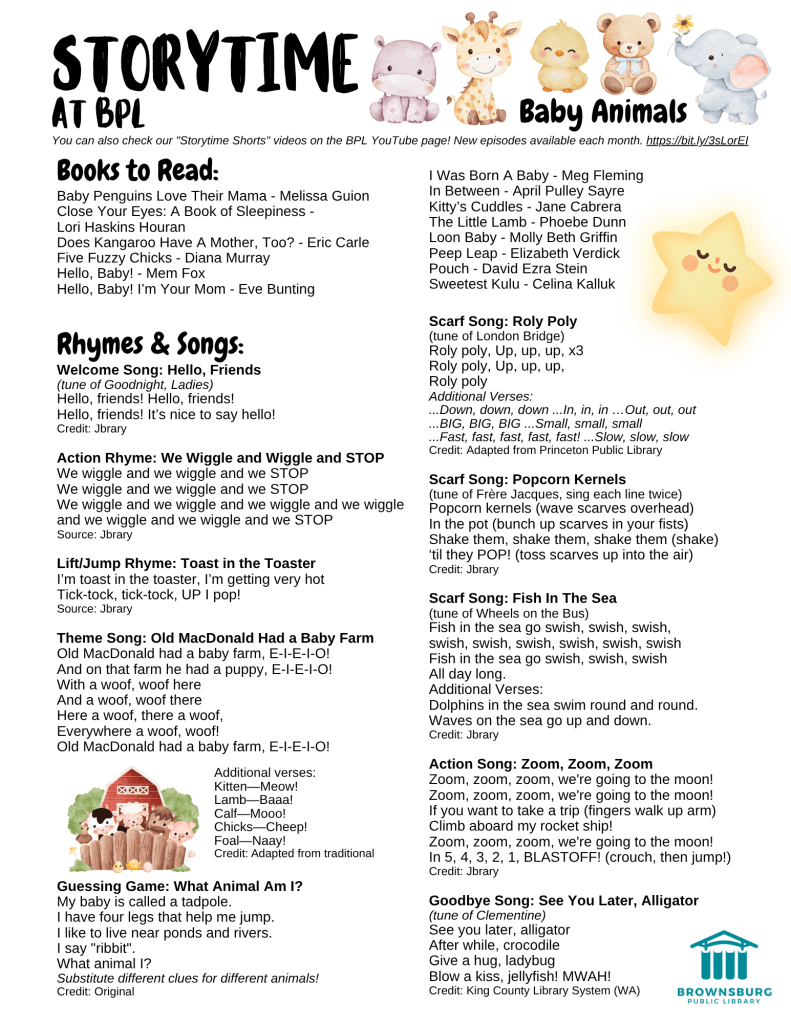
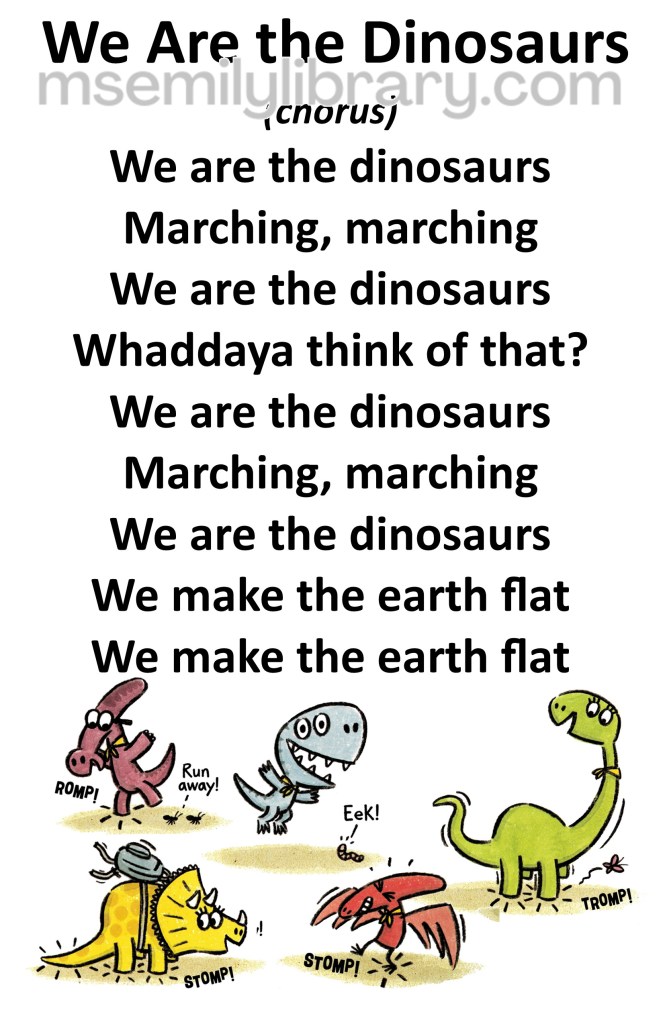
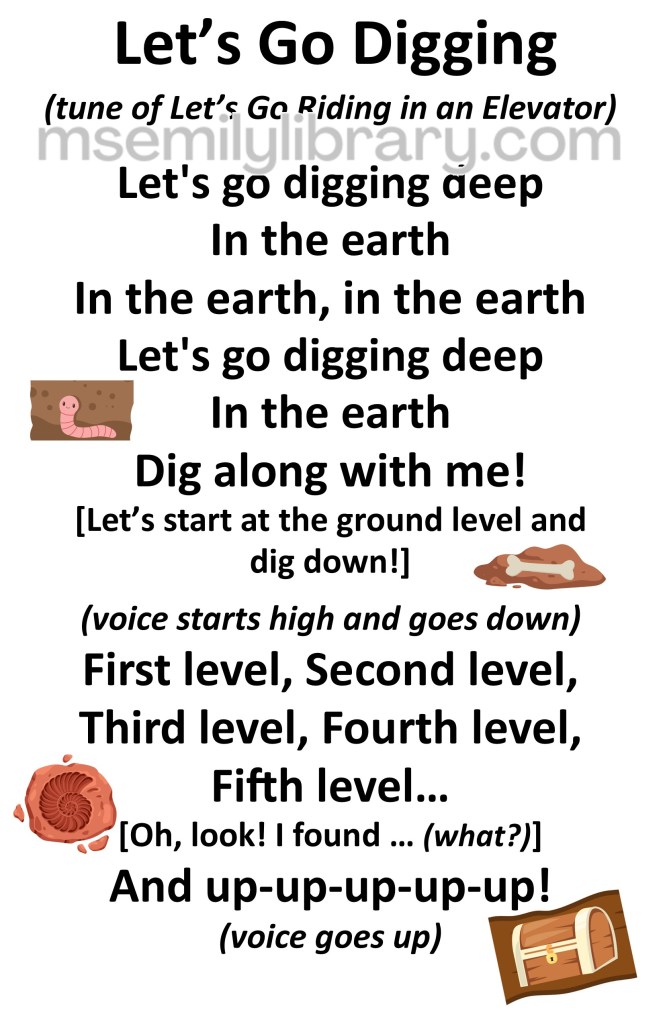
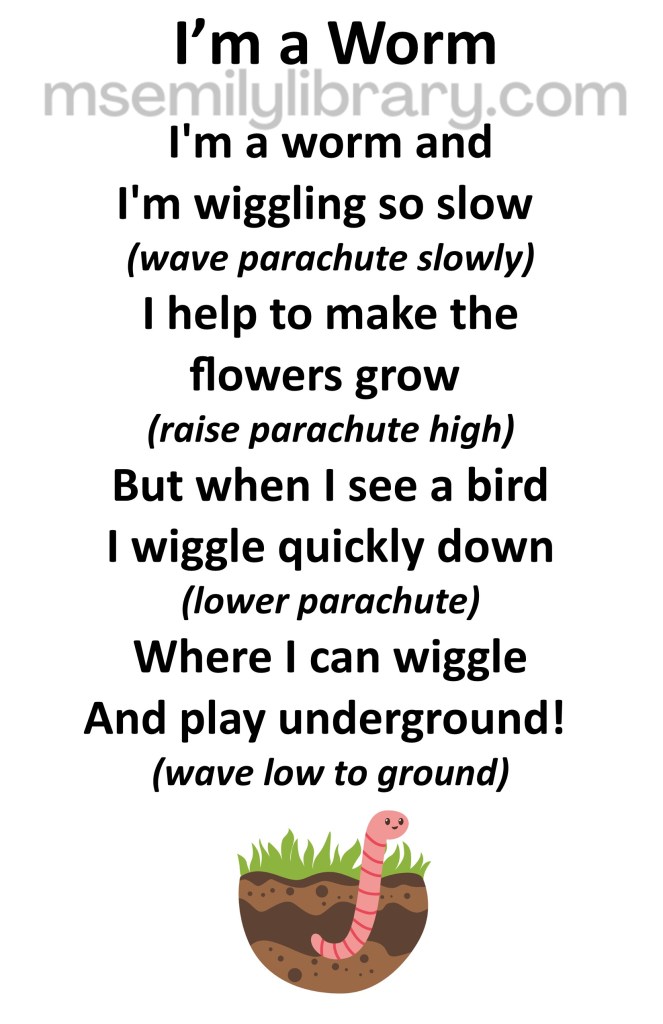
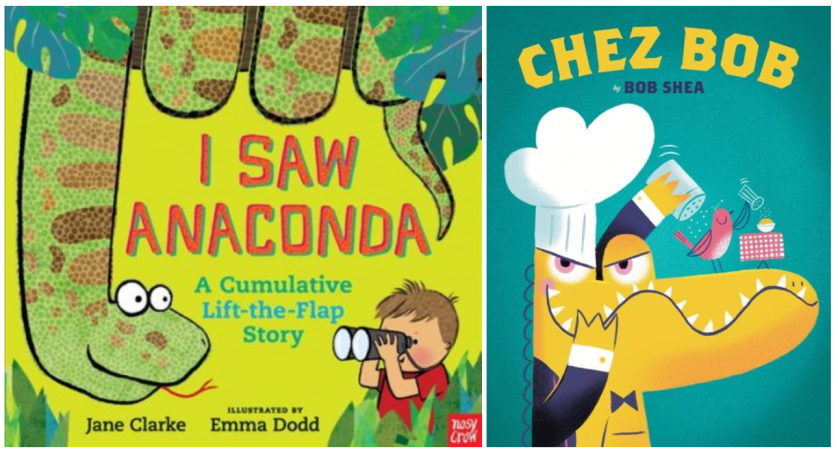

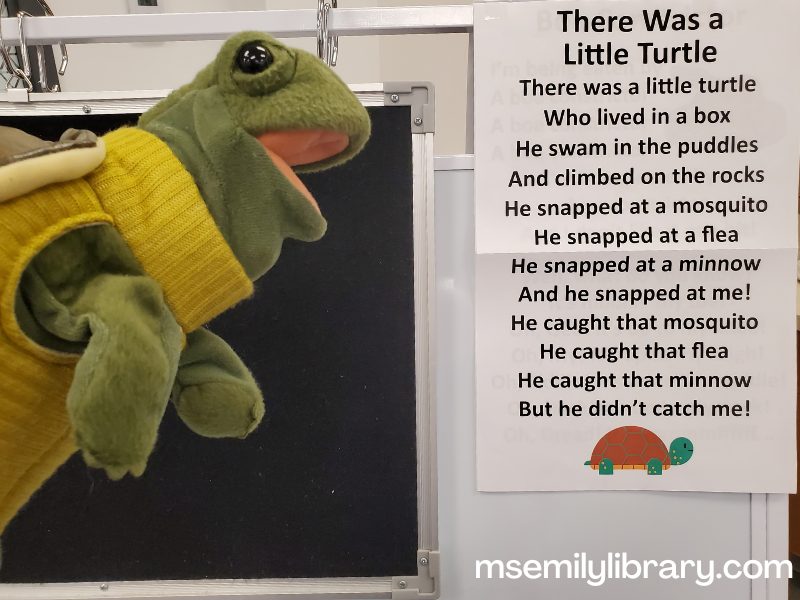
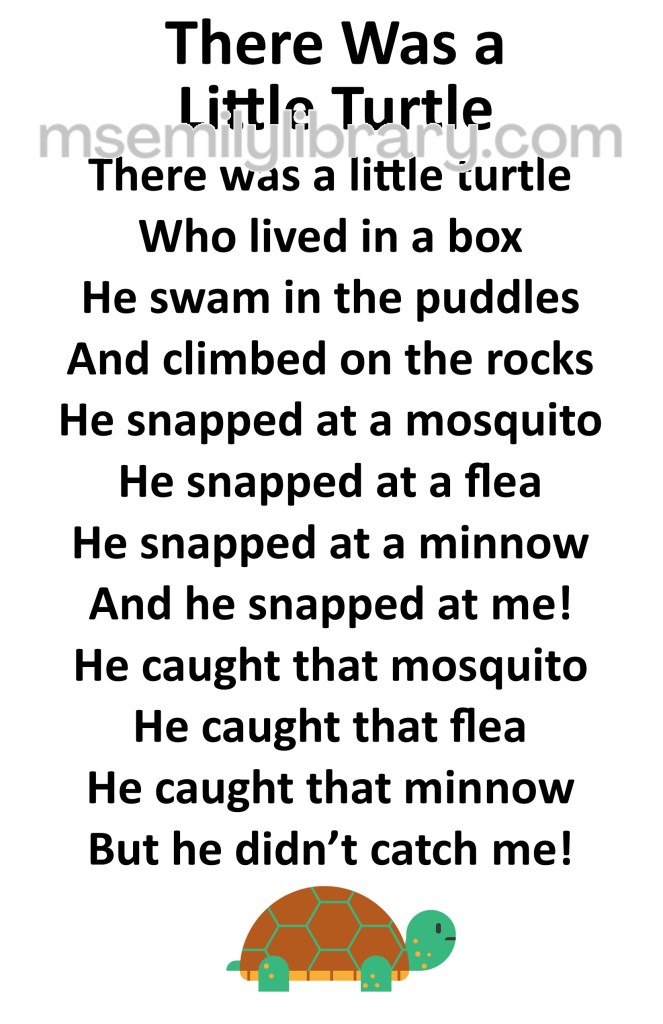
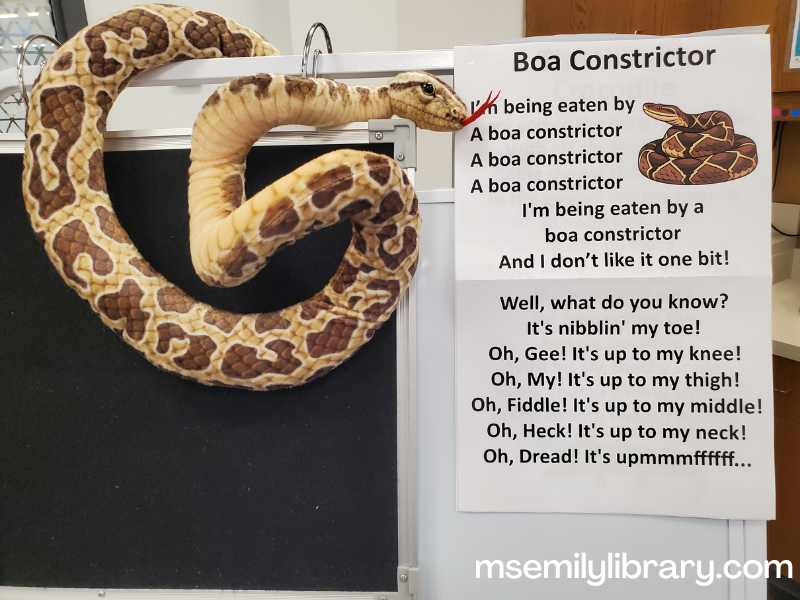
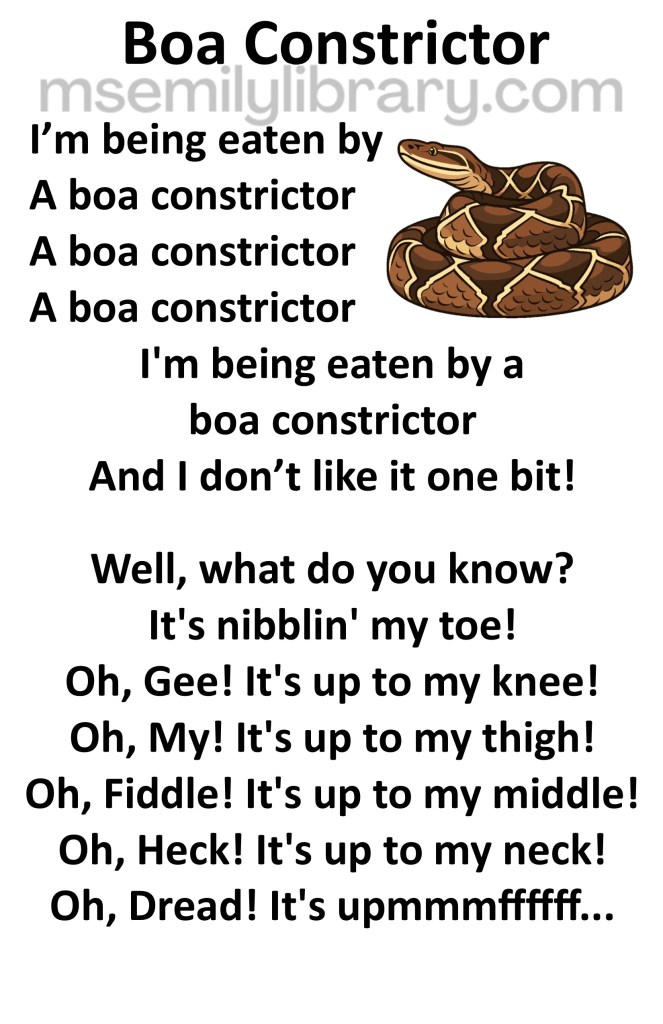
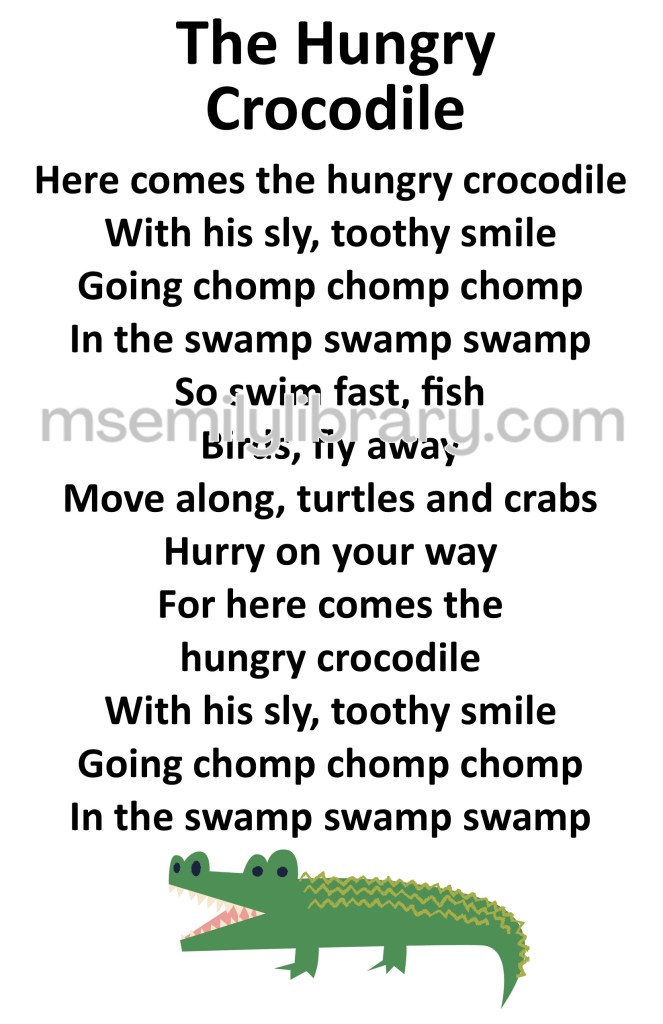
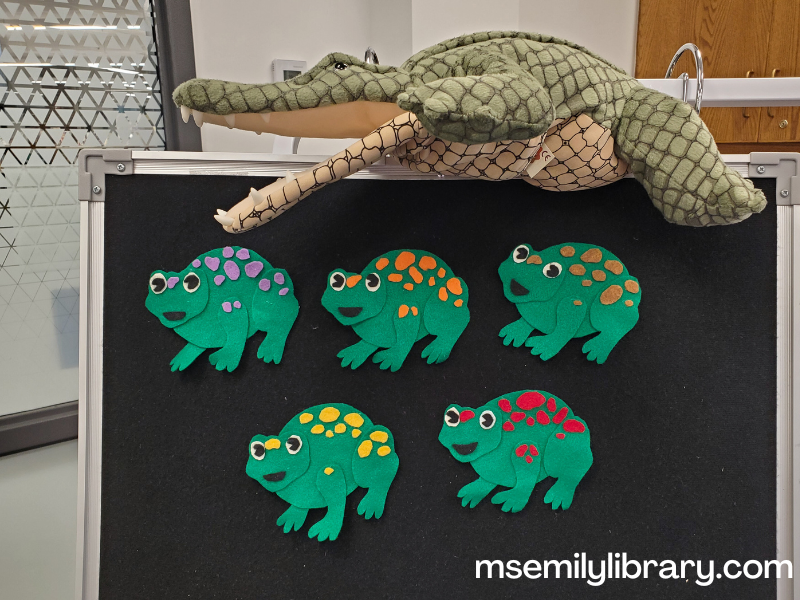
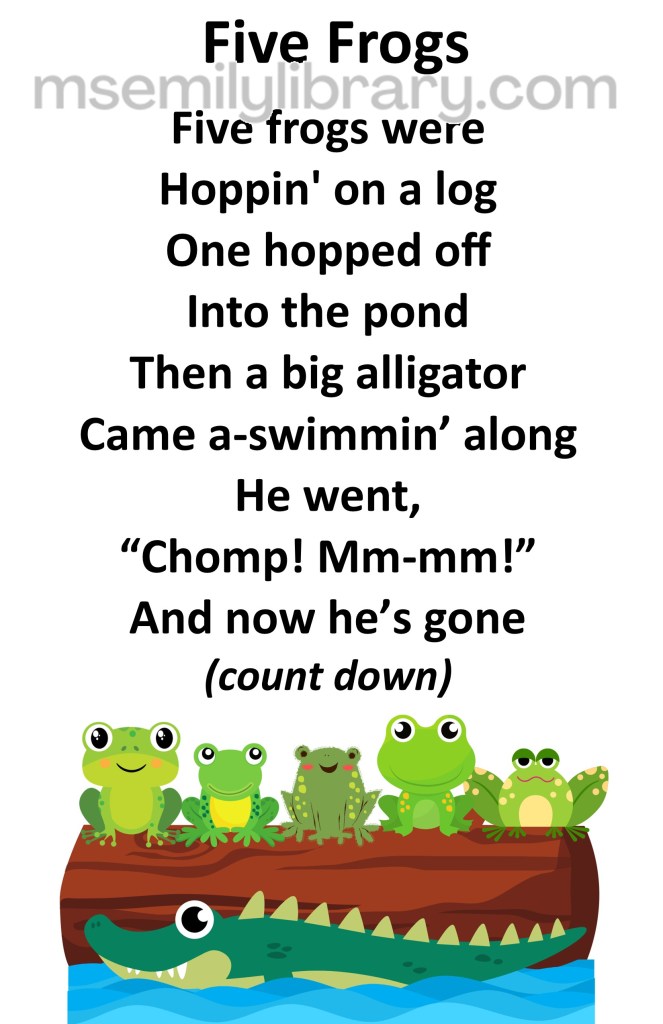
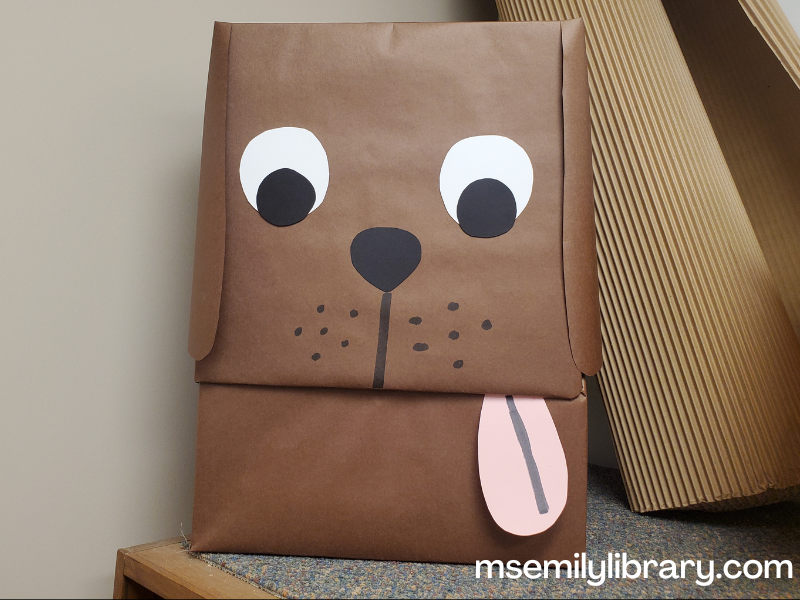
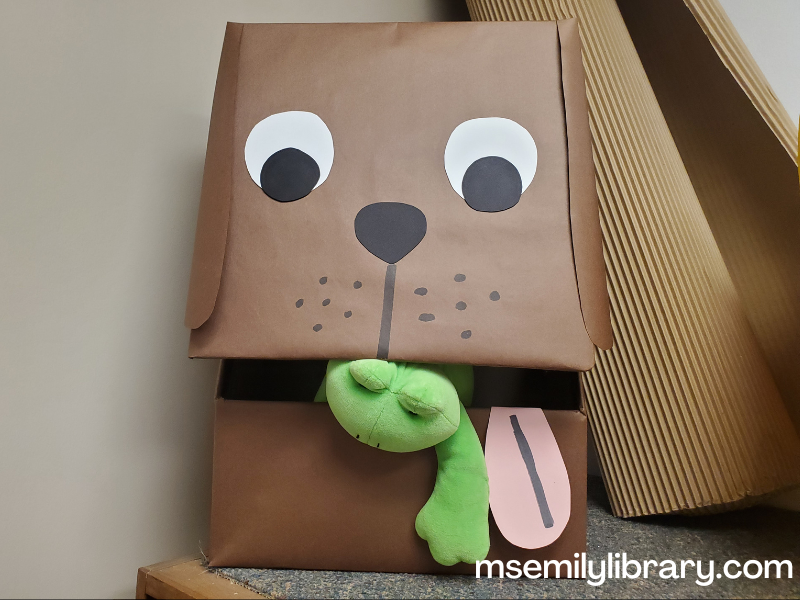


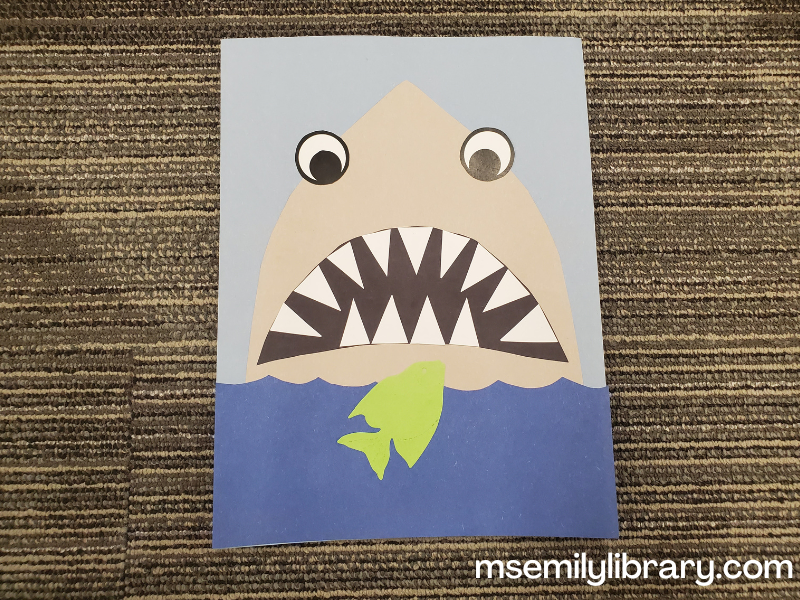
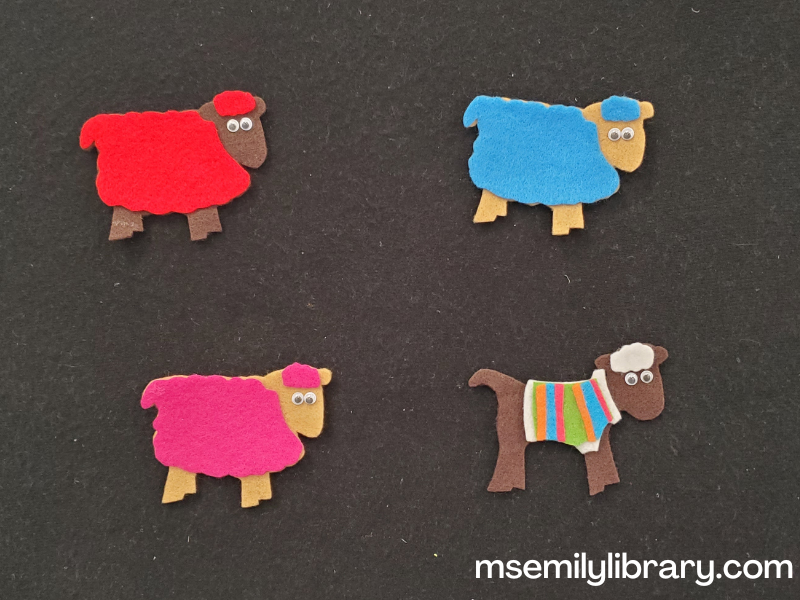
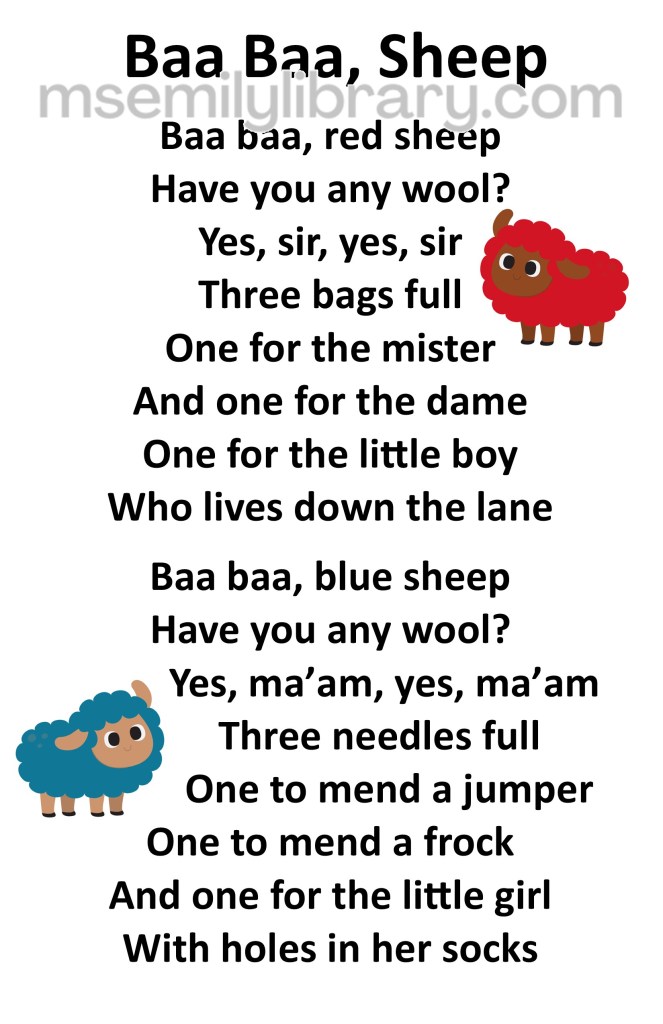
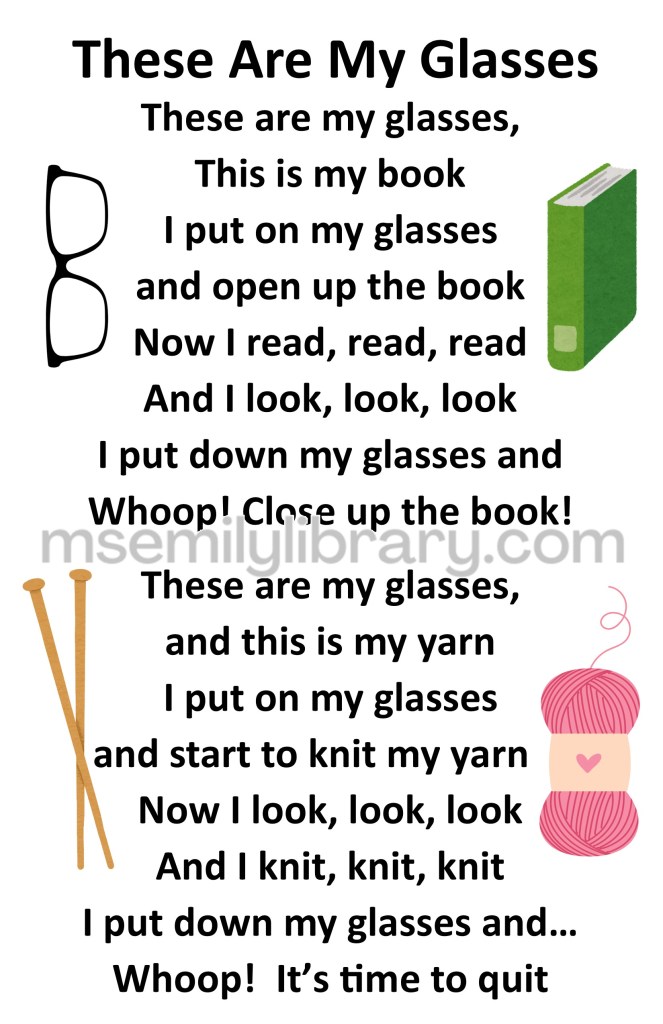
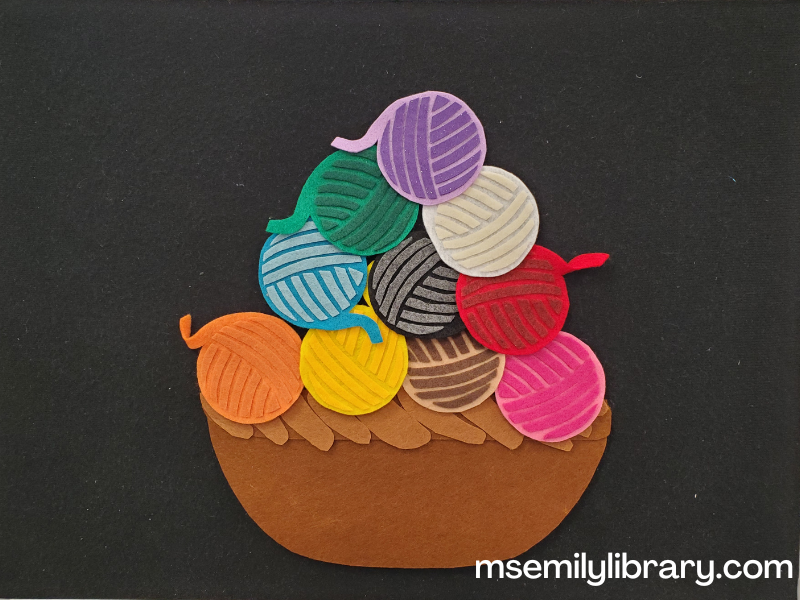
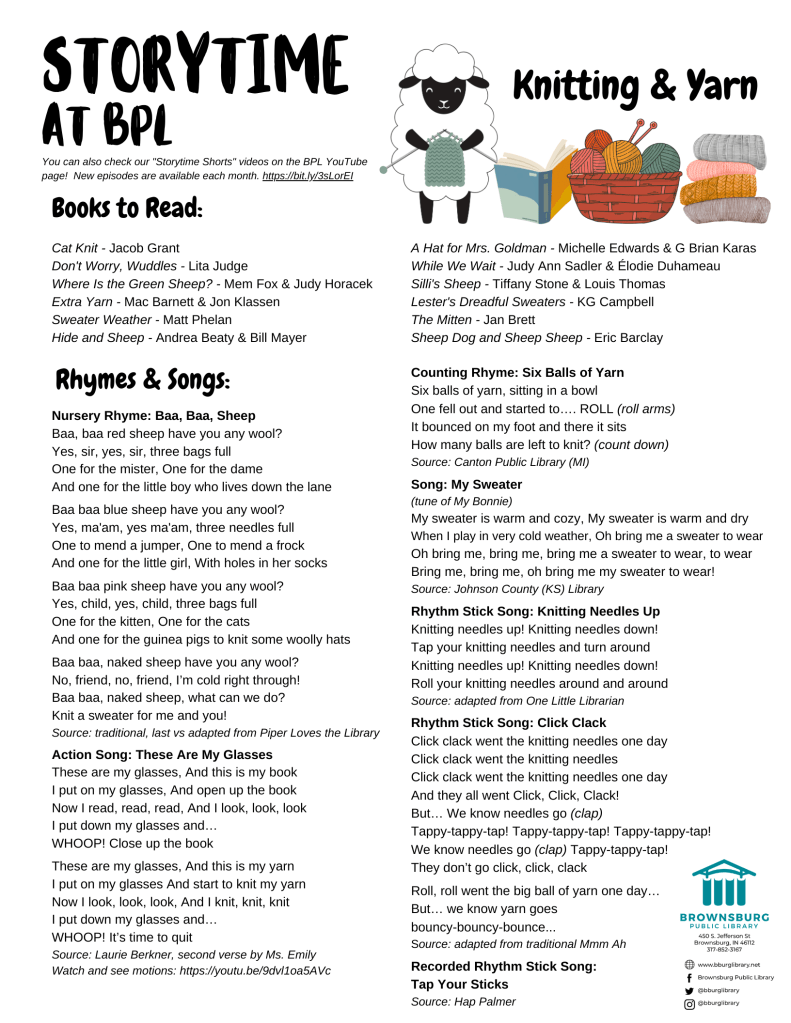


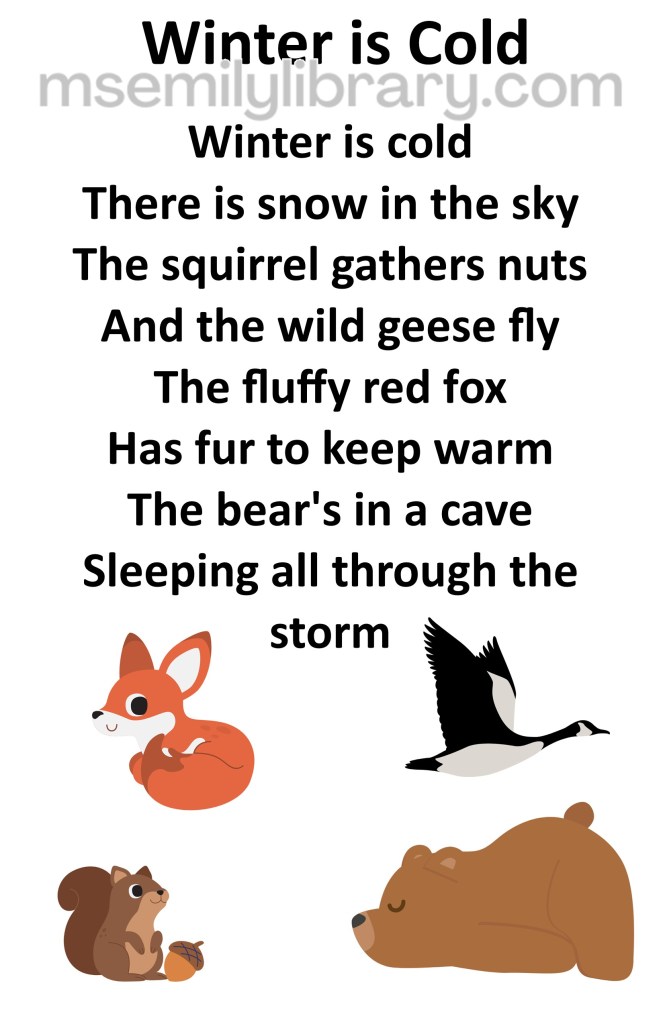
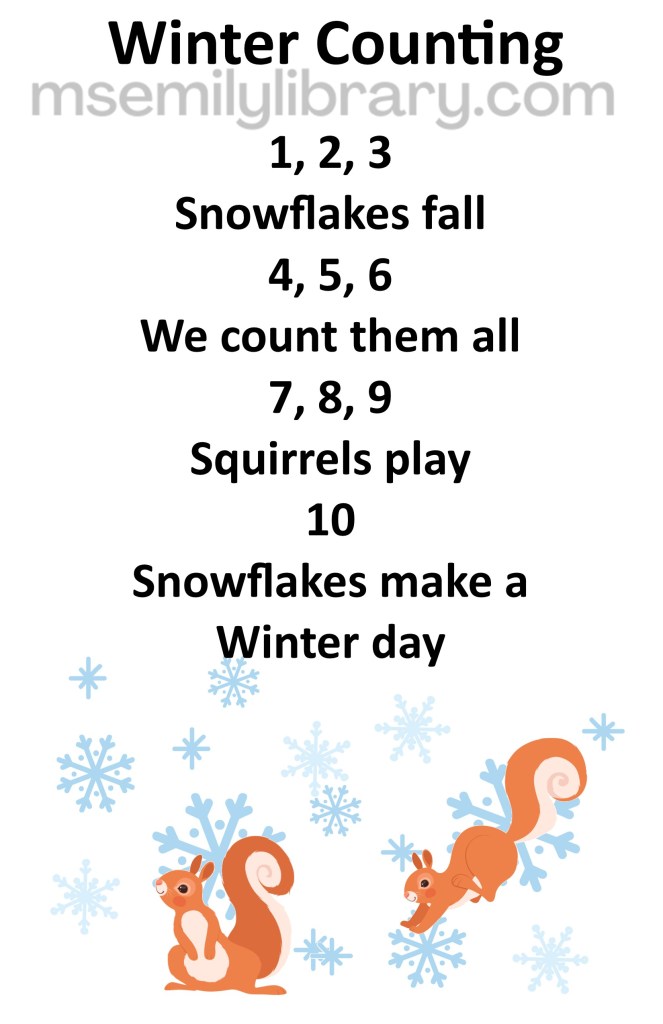
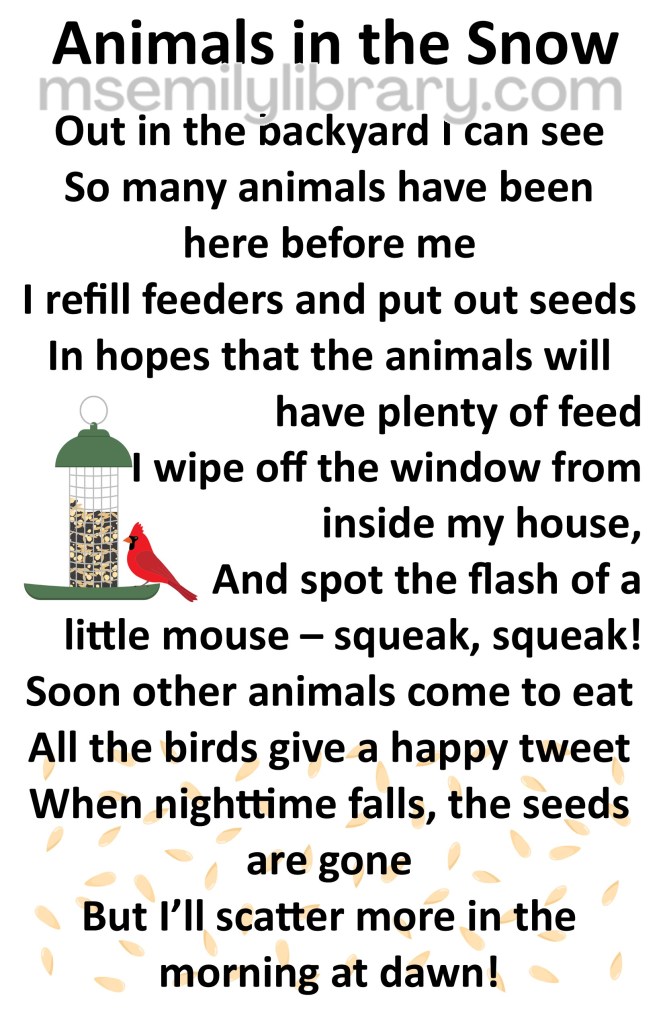





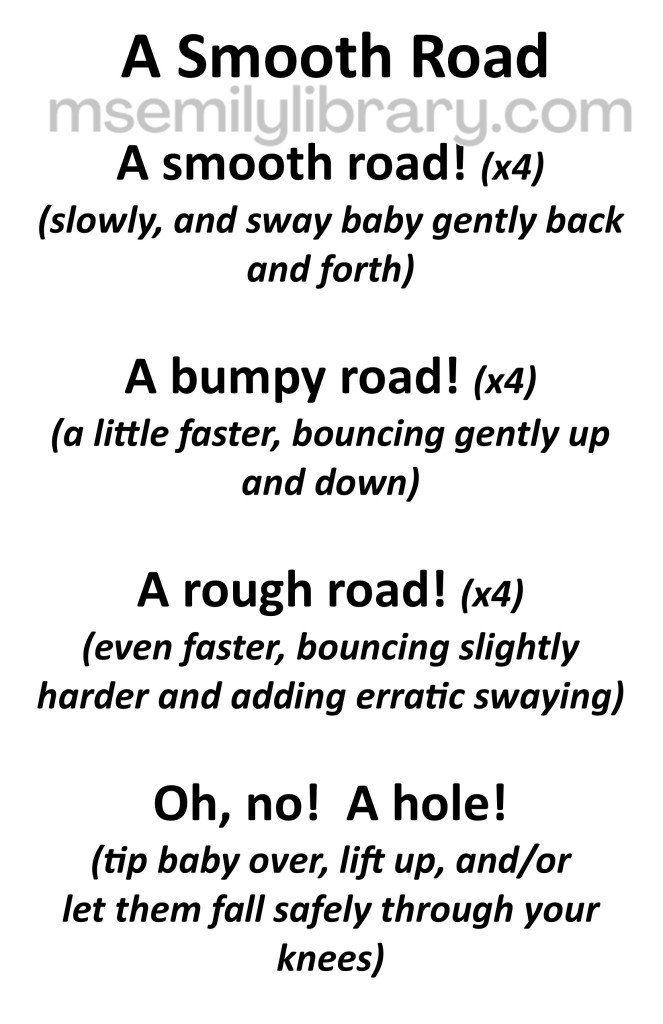
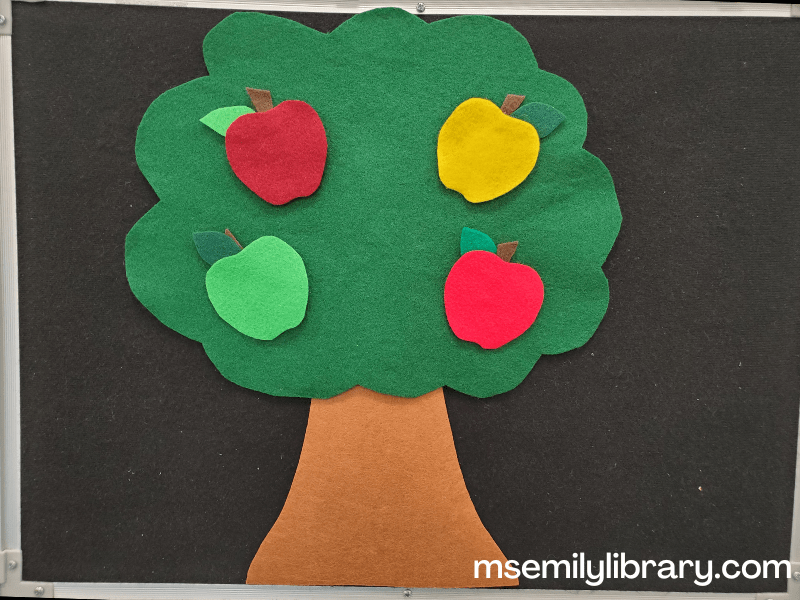

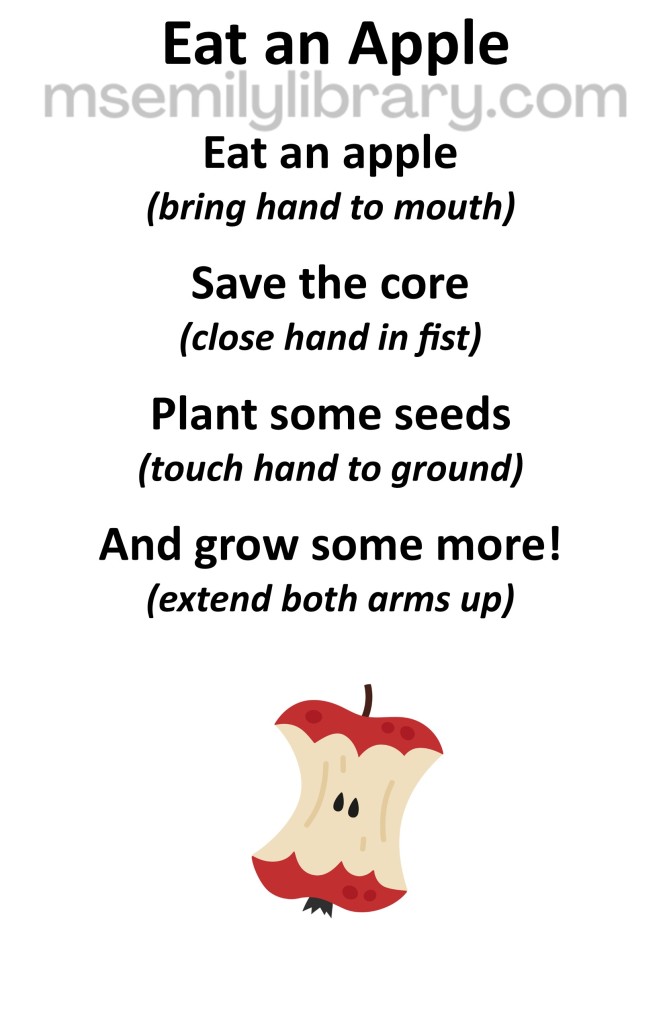
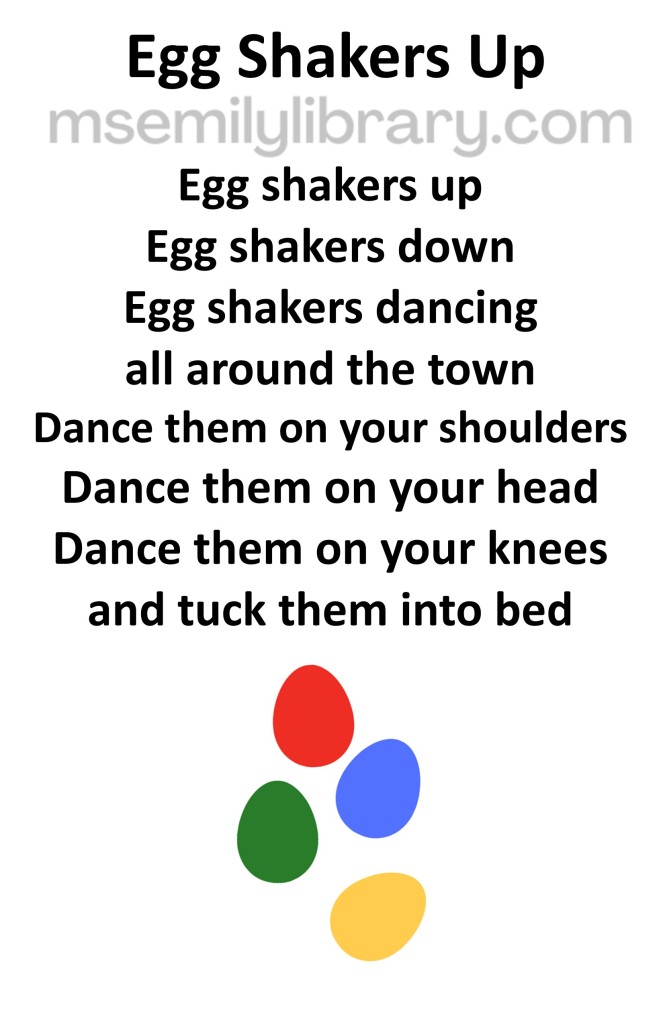
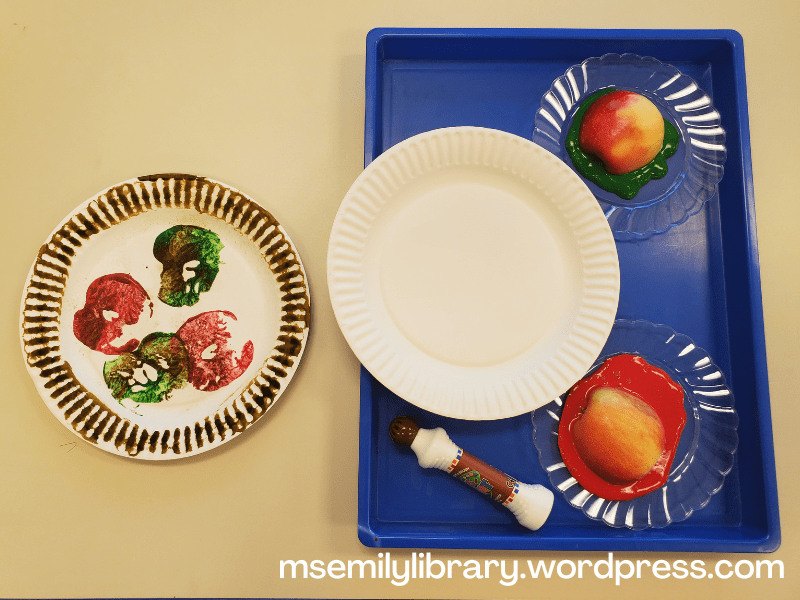

 Storytime with Ms. Emily Library