
Welcome back, readers! I hope you have had a wonderful summer. I personally love summer at the library – even if it is busy and sometimes exhausting. I love seeing how much our families love being here, the excitement of the littles, and the appreciation of grownups for giving them something fun to do.
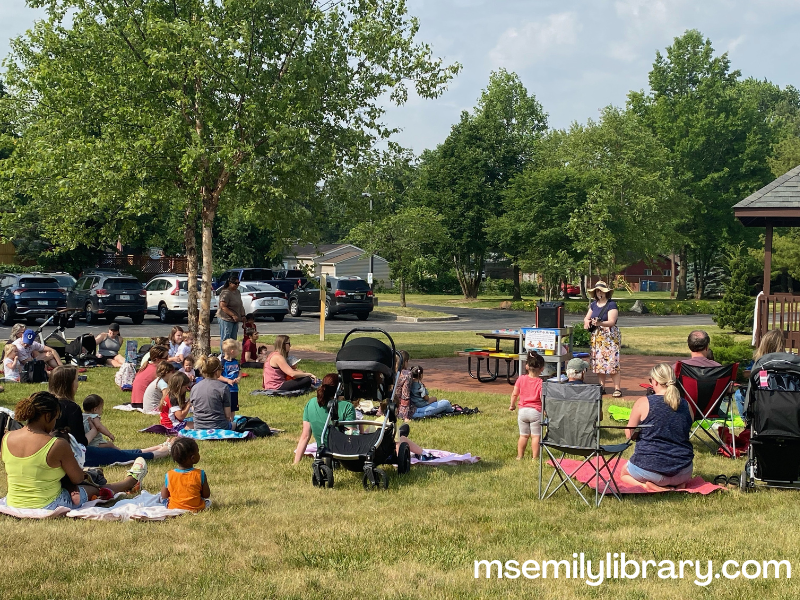
Our library generally uses the theme and graphics from the Collaborative Summer Library Program, or CSLP, a national initiative that helps libraries plan summer programming. This year’s theme was “Unearth a Story,” and we used some of the weekly theme ideas from the CSLP manual and used them mainly to choose a weekly book and rhyme for our outdoor storytime with sensory stations. I do have an indoor backup option when the weather is bad, but this year I only had to do that once, thankfully. When we are outside we have plenty of space, so I’m happy to take all comers, but if we’re indoors I do need to conform to fire code, so I ask for registration but make a note that if the weather is good anyone can come even if the program is “full.”
For each session, we spend about 15-20 minutes of storytime rhymes, songs, and a book, including parachute play, then 20 minutes of free play at various sensory stations. We end with bubbles and a goodbye song. Stations are a really great way to promote socializing, practice skills like sharing and being gentle, and allow for unstructured play, which science tells us is so important to learning and development.
If you’ve been following the blog for a while, much of this may be familiar, but I did add some new stations or different spins on old stations this year. You can see previous summer program write-ups here.
Click for the overall or specific themed activities!
Repeating Weekly Plan
Repeated Stations
Week 1: Unearth Dinos
Week 2: Unearth Treasure
Week 3: Unearth Worms
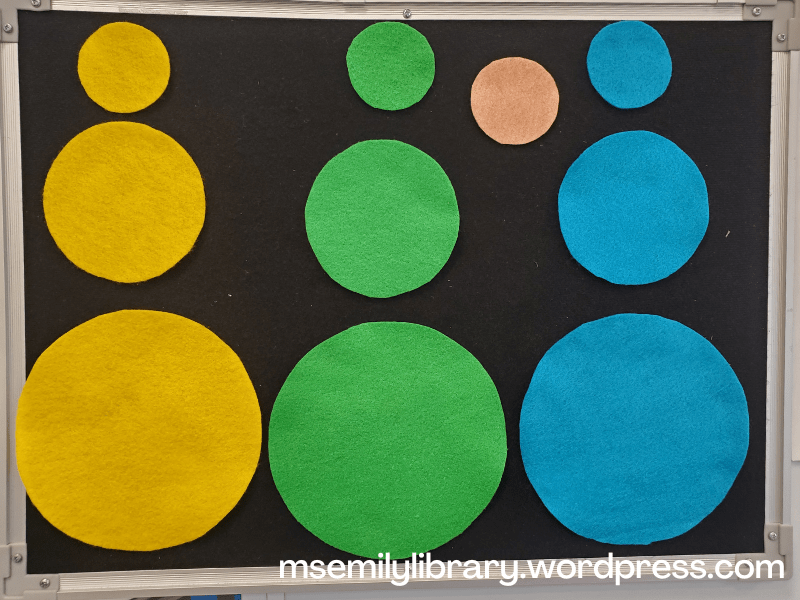
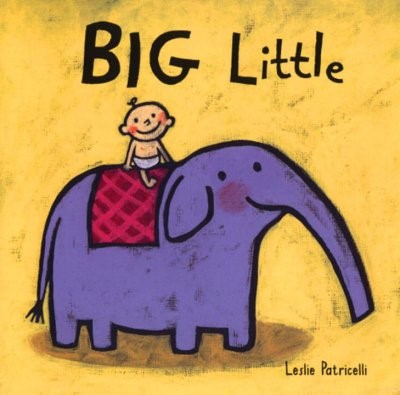
Week 4: Unearth Big & Small
Week 5: Unearth Dirt
Week 6: Unearth Stories of the Past
Repeating Weekly Plan
Each week, the structure of the storytime was the same, with only two parts that changed depending on the theme: a themed rhyme and the book. (Stations changed weekly.) All the other songs and rhymes were the same:
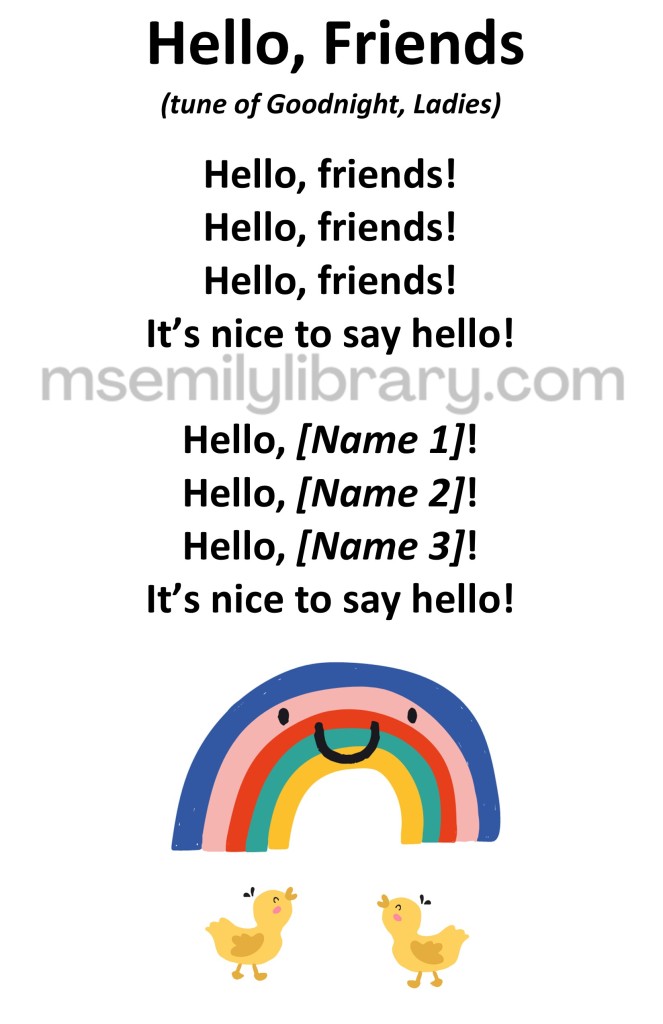
Welcome Song: Hello, Friends
(tune of Goodnight, Ladies)
Hello, friends! Hello, friends!
Hello, friends, it’s time to say hello!
Hello, [name 1], hello, [name 2]!
Hello, [name 3], it’s time to say hello! (repeat as needed)
(ASL motions: salute for “hello,” then take the index fingers on each hand and you link them together as though they are hugging each other back and forth for “friends”)
Source: Glenside Public Library District
Warm-Up Rhyme: We Wiggle and Stop
(Use the ASL sign for the word “stop” – one hand “chops” across the opposite hand)
We wiggle and we wiggle and we STOP
We wiggle and we wiggle and we STOP
We wiggle and we wiggle and we wiggle and we wiggle
And we wiggle and we wiggle and we STOP
(We wiggled every week, but then added 2 more motions. Motions we did throughout the summer: stomp, twirl, jump, climb, run, stretch, march, tiptoe, wave, sway, roll [arms,] hug)
Source: Jbrary
Intro: Our theme this summer is Unearth a Story. That means we are digging down to find some amazing things. Short intro to the weekly theme (see below)
Themed Song/Rhyme (see below)
Transition Song: If You’re Ready for a Story
(tune of If You’re Happy and You Know It)
If you’re ready for a story, clap your hands (clap, clap)
If you’re ready for a story, clap your hands (clap, clap)
If you’re ready for a story, if you’re ready for a story,
If you’re ready for a story, clap your hands (clap, clap)
Source: Miss Keithia (my predecessor)
Themed Book (see below)
Parachute! It’s time to get out our parachute and see what kind of fun we can unearth!
We have two different parachutes – one is a smaller (maybe 8′?) that I use indoors on occasion (and we used as an art station as you’ll see below in the Repeated Stations section), but the one I use outdoors is much bigger – maybe 20′ in diameter.
Let’s start by doing some digging.
As I mentioned in this post, these three parachute activities just came to me last March as I was starting to plan summer reading. The trick to this one is remembering which direction your voice is supposed to go, especially if you are used to singing the original. I figured out that “First level” should be the same note as the word “dig” in the last line above it, “Dig along with me!” I usually did this one twice, the first time finding something ordinary (a pebble, acorn, worm, etc) and the second time finding a dinosaur bone, which leads into the next song.
Parachute Song: Let’s Go Digging
(tune of Let’s go Riding on an Elevator)
Let’s go digging deep in the earth, in the earth, in the earth
Let’s go digging deep in the earth, dig along with me!
[Let’s pretend this is the ground level and dig down!]
(start with chute high and high voice)
First level, second level, third level, fourth level, fifth level… (voice goes down)
[Oh, look! I found a fossil!/buried treasure/worm/dino bone]
And up, up, up, up, up! (voice goes up)
Source: piggyback lyrics by Ms. Emily Library
Dinosaur fossils can be found underground. Can you pretend to be a dinosaur? Can you be a MARCHING dinosaur?
This was a favorite – I even had adults singing along with me. I always did this one three times. The first time we marched. Then I said, “Can you pretend to be a tiny dinosaur, trying to sneak past a big T-Rex? Let’s be quiet and TIPTOE!” The third time I said, “Oh, no, the T-Rex saw us! Now we have to RUN!” and did it very fast. At the end I’d say, “Whew! We got away!” I wasn’t sure how well they could “make the parachute flat” but honestly they did pretty great!
Parachute Song: We Are the Dinosaurs
We are the dinosaurs, marching, marching (wave chute in steady beat)
We are the dinosaurs, whaddaya think of that?
We are the dinosaurs, marching, marching
We are the dinosaurs we make the earth flat (pull parachute back to make flat)
(tiptoeing, jumping, running, etc)
Source: Laurie Berkner, from the album Whaddaya Think of That?
Breathing Break
Whew, I am out of breath from all that running! I’m ready for a breathing break. Let’s take a big breath in and lift the parachute up, then breathe out and lower it. We’ll repeat a few times.
At this point the kids are usually darting under the parachute, so I go with it!
Okay, if grown-ups can grab the edges of the parachute, kids can go underneath if they want (if you prefer to just watch from the outside, that’s always fine!) Let’s start by waving low and slow.
Another rhyme that somehow came to me in the middle of the night! It worked very well – the grownups quickly caught on to when to raise and lower the ‘chute. The kids loved that last line when the parachute comes down on top of them! We did it twice each week.
Parachute Rhyme: I’m a Worm
I’m a worm and I’m wiggling so slow (wave low, slowly)
I help to make the flowers grow (raise parachute high on “grow”)
But when I see a bird I wiggle quickly down (wave and lower chute quickly)
Where I can wiggle and play underground! (wave low to ground)
Source: original (Ms. Emily Library)
Okay, grown ups – for our last parachute song we’re going to let the parachute fly – so let go at the very end after we count down and I say “FLY.”
Parachute Song: Parachute Fly
(tune of Skip to my Lou)
(kids go under the parachute and adults raise and lower)
Up, up, up it goes,
Down, down, down so low
Raise our parachute to the sky
Count to 3 and watch it fly
Spoken:
Up on one…
Down on two…
Up on three…
and FLY! (adults let go and leader pulls ‘chute in to themselves)
Source: Gymboree
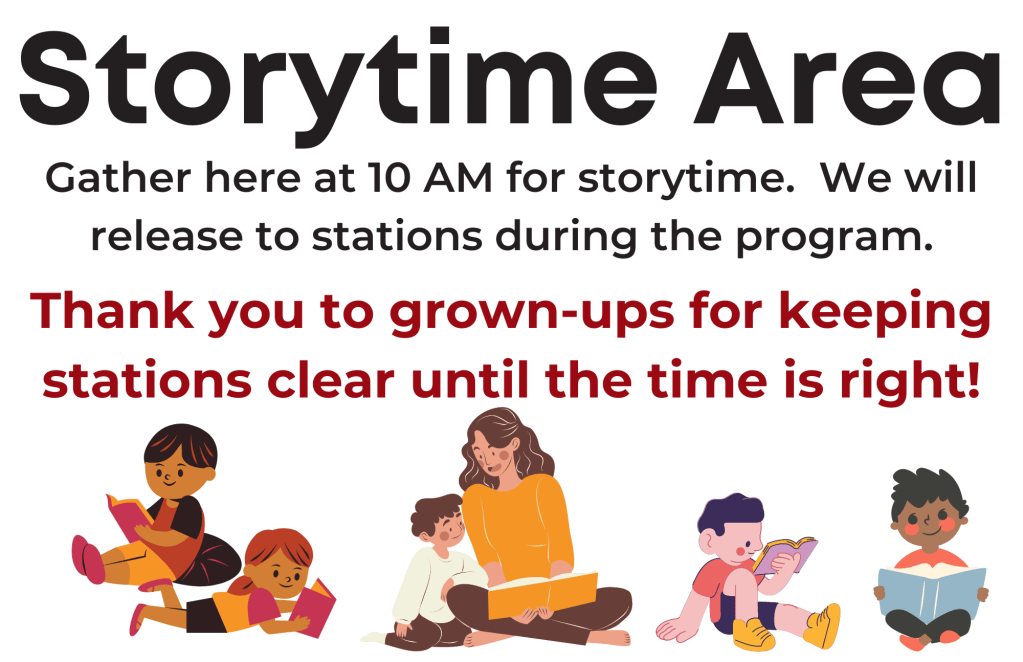
Release to Stations
This year I had I had nine stations each week, which involve a mixture of dry, wet, and art/creativity stations. We spend about 20 minutes before I ring the bell to call everyone back to the grassy area. See more detail below.
Everybody loves bubbles! The trick to doing bubbles outside is to figure out which way the wind is blowing and get upwind of your group!
Recorded Bubble Song: Pop, Pop, Pop by Nathalia
From the album “Dream a Little,” available on Spotify
Goodbye Song: See You Later, Alligator
(tune of Clementine)
See you later, alligator (wave with one hand, then the other)
In a while, crocodile (open and shut arms like a croc’s mouth)
Give a hug, ladybug (hug yourself or a loved one)
Blow a kiss, jellyfish! MWAH! (move hand like a jellyfish then blow a kiss!)
Source: King County Library System
Repeated Stations
There are a few stations that I use every single week. They are easy but popular, and I like having a mix of familiar and novel stations. You can see stations for the individual weeks below, but these were available all summer.
Pouring Station
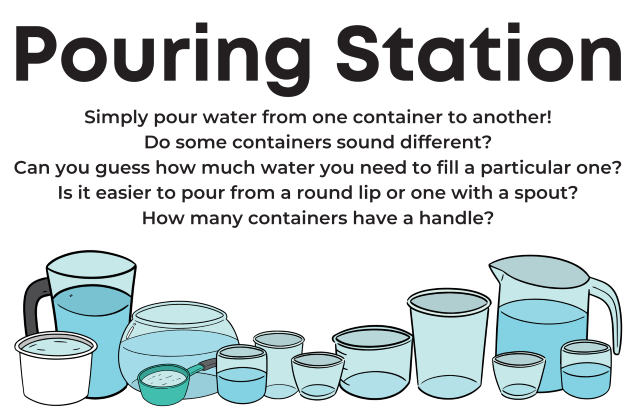
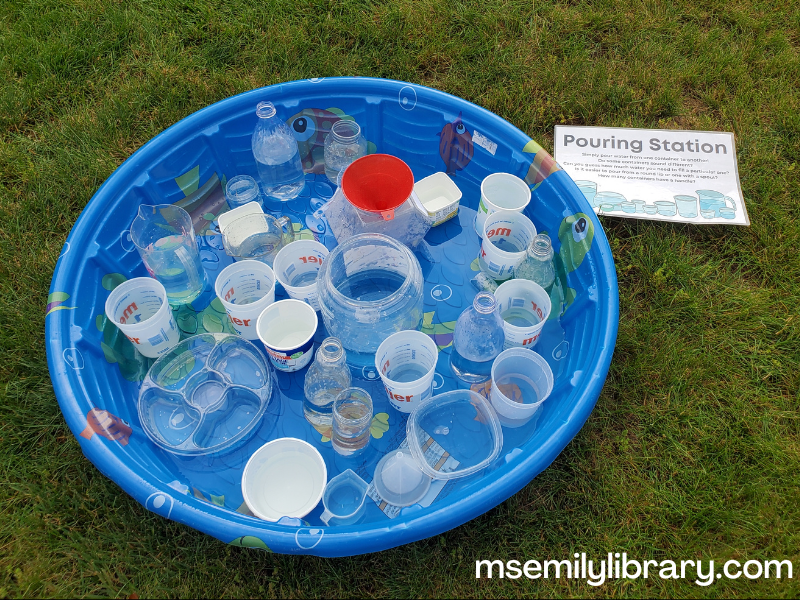
So simple, so easy, yet so compelling! I a few years ago, I asked coworkers to collect clean plastic recyclables with wide openings and visited Goodwill for some additional pitchers. We had measuring cups and funnels in our materials, as well as a hard plastic baby pool, which is the perfect container. I fill the pool with the plastic bins and fill them randomly with water, plus some extra in the pool. Original idea from Busy Toddler.
Kinetic Sand
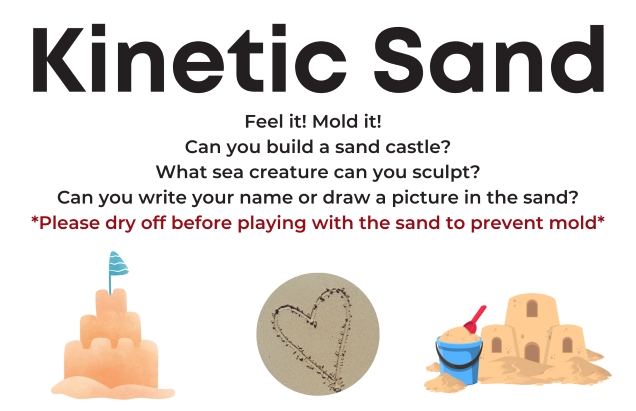
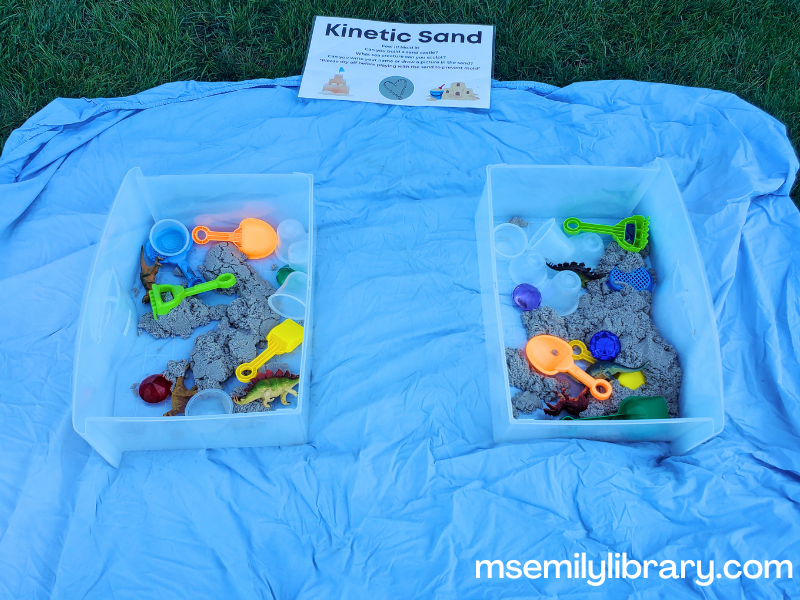
I have a few kids who go to this station every week and stay there the whole time! I have two big clear plastic bins (which are actually drawers from an old storage bin, kinetic sand, and recycled fruit cup containers that had fun shapes and plastic shovels. This year we added some other fun things in different weeks – the plastic dinos from week one’s art station, worms, jewels, plastic gold coins, etc. I kept a sheet underneath this station to catch any stray sand that escapes the bins. Because the sand is not taste-safe, I do warn the caregivers that if their kiddo is still exploring with their mouth, they may want to skip this station.
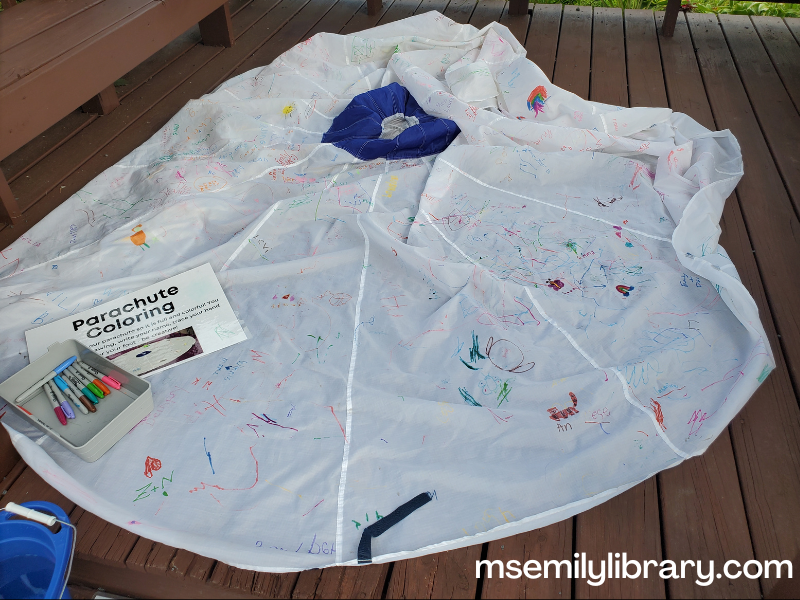
Color the Parachute
My library has an interesting smaller parachute (maybe 8 foot diameter?) that came plain white and was advertised as “decorate it yourself!” When I inherited it, there were a small scattering of names from who knows how long ago and the rest was depressingly empty. In the last few summers I was determined to fill it up. I laid it out each week and set it as a station inside the gazebo, with a small handful of permanent markers. I’m happy to say that it looks MUCH better now, and it’s super fun for me to look at the names and remember kids who have aged out of my programs. There’s still plenty of space to draw and write, so I imagine I’ll be using this as a station for at least a few more years.

Rinse Station
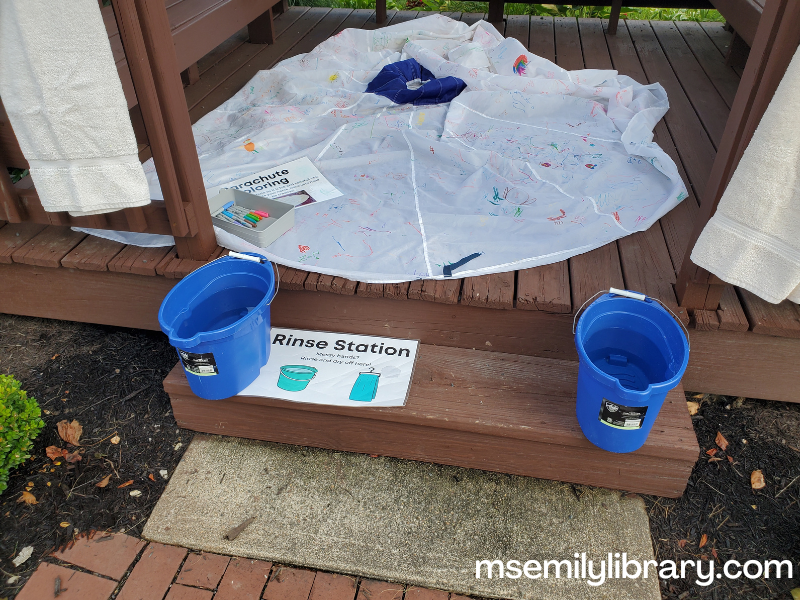
Okay, so this isn’t really a “station” where kids come to play, but it was a creative-by-necessity solution for me doing messy art outside where there wasn’t access to a sink to wash hands. I just got two buckets (I think they were from the car wash area in Walmart!), fill them with water and put dry towels nearby. I don’t have to worry about going through tons of wet wipes or paper towels, it’s an easy way to soak my paint-messy art materials at the end of the program, and it’s just a simple solution.
Weekly Themes
Week 1: Unearth Dinos 6/10/26
Intro: This week we’re talking about dinosaurs! We know about dinosaurs because people have *unearthed* their bones.
I varied whether I did the themed song or the book first, just depending on what made the most sense to me.
Themed Ukulele Song: One Dinosaur Went Out to Play
(tune of Five Little Ducks)
One dinosaur went out to play
By a giant fern one day
She had such enormous fun
That she called for another dinosaur to come:
Oh, Diiiiiiiiiinosaur! (slap hands on thighs)
(count up to 5)
Last line:
…That they played until the day was done!
Credit: Mel’s Desk
Get a downloadable ukulele songsheet here!
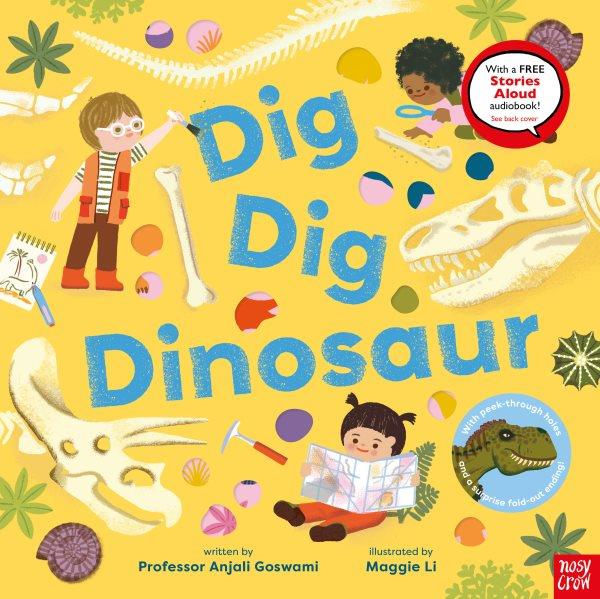
Themed Read: Dig, Dig, Dinosaur by Anjali Goswami & Maggie Li.
I love that this is written by an actual paleontologist, and the big flaps and die cuts make it really exciting. I asked everyone to get out their shovels and “dig, dig, dig” when I read that part.
Week 1 Stations
I don’t feel the need to theme every station to every week, but if there’s a way to add a little of the themed flair in, I am all for it. That was an easy thing to do with a dinosaur theme! So our art station and movement station were dino themed, and I threw in an extra dinosaur dry sorting station I had made in the past.
Week 1 Stations:
Pouring Station (Wet) (see here)
Kinetic Sand (Dry) (see here)
Color the Parachute (Art) (see here)
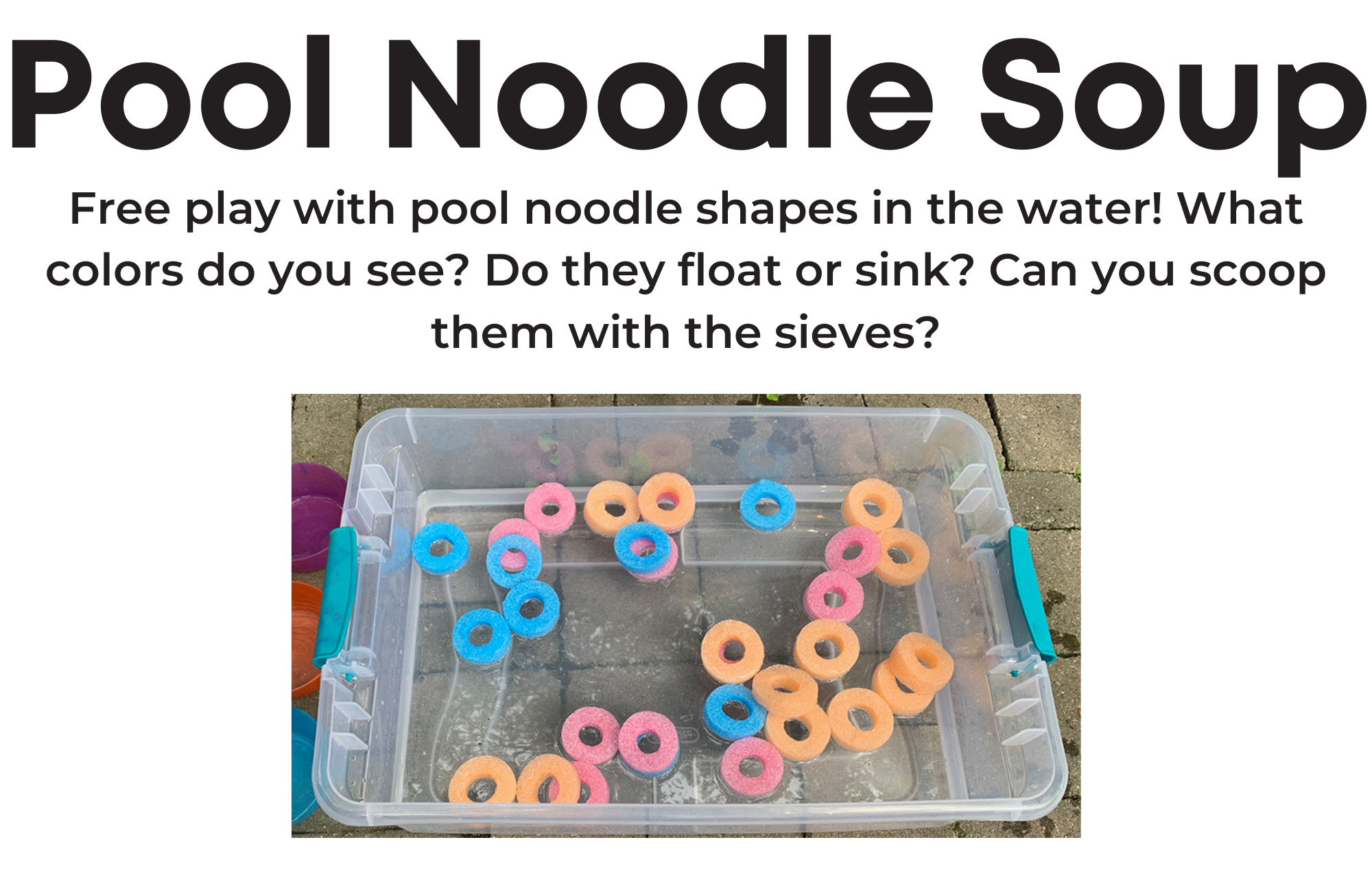
Pool Noodle Soup (Wet)
I cut sections of pool noodles and used them in different ways, starting with this wet station. (The dry station shows up week 2.) I two identical plastic containers and added water, the noodles, some ladles and slotted spoons. Original idea (and photo on the sign) from Happy Toddler Playtime.

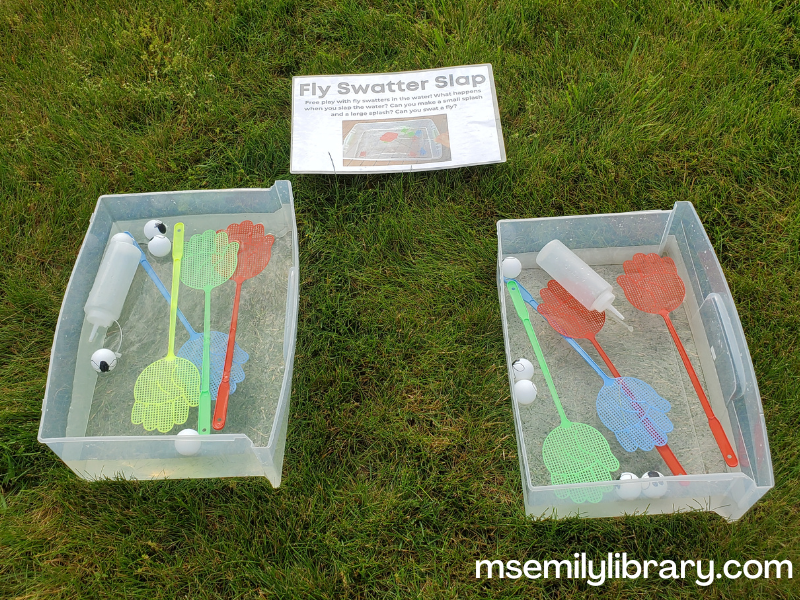
Fly Swatter Slap (Wet)
Again, using my materials in different ways by using flyswatters in both wet and dry stations on different weeks. The wet station included the (clean) swatters and ping pong balls that I drew flies on plus some squeeze bottles, and uses two drawers from a plastic bin container. The swatters were hand-shaped and different colors. Original idea (and photo on the sign) from My Bored Toddler.

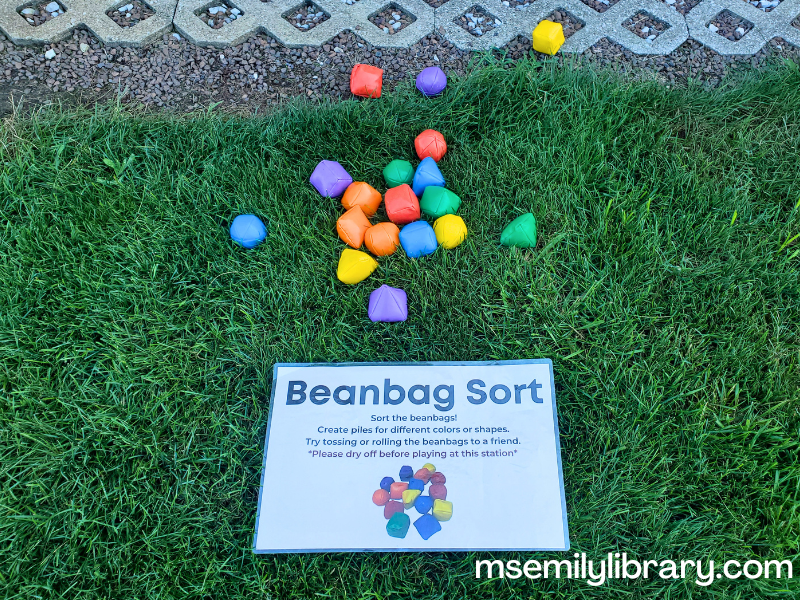
Beanbag Sort (Dry)
We have these beanbags from Lakeshore Learning that are different colors and shapes. They’re a super easy station where kids can play and sort with them in several ways.

Craft Stick Sort (Dry)
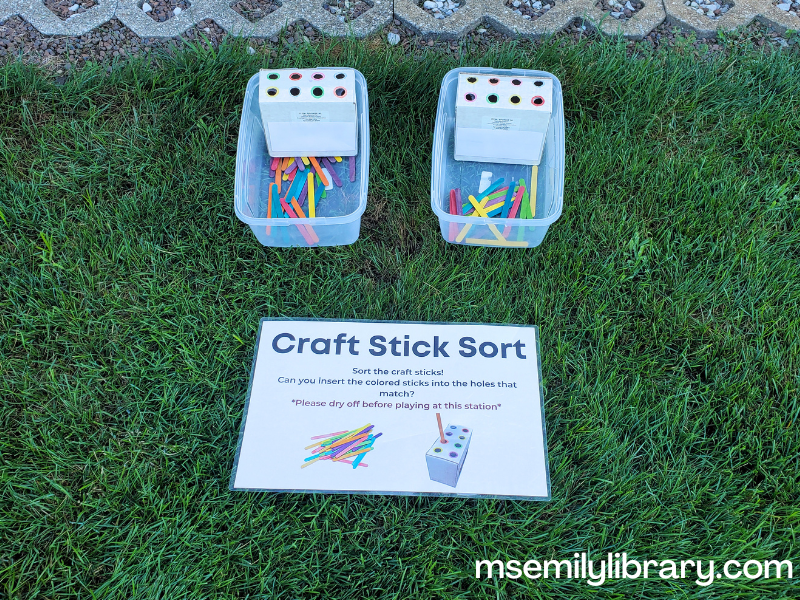
I made these a few years ago – I noticed I had these boxes of dot painters that have small holes already in the top. I colored a ring around each hole a different rainbow color and added colored craft sticks for a fine motor and color identification station. The colored rings are getting a little faded so next year I’ll have to re-color them! I put them in the small plastic bins I store the kinetic sand in so they don’t get wet in the dewy grass or lost too easily.

Clothespin Dinos (Dry)
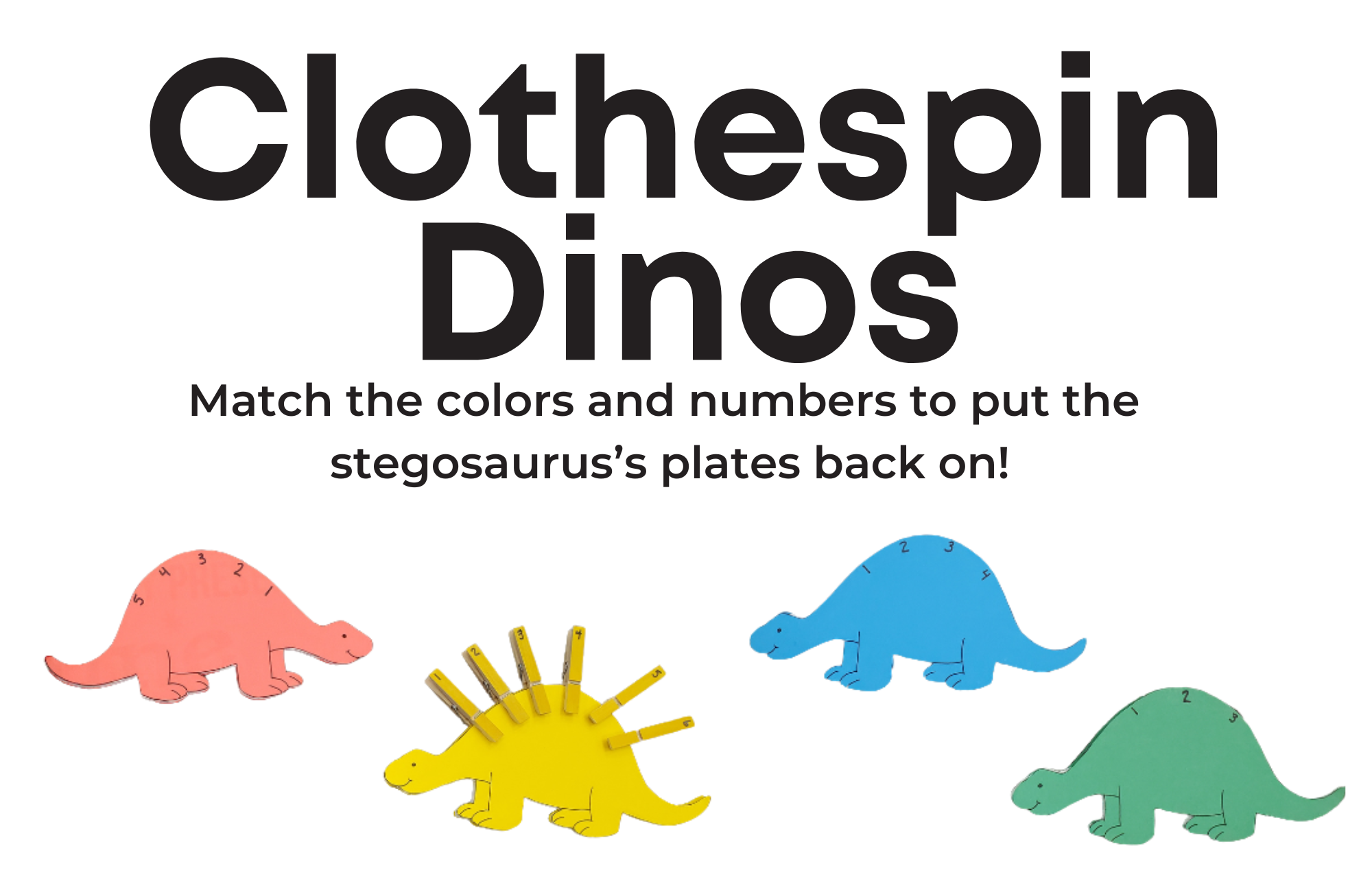
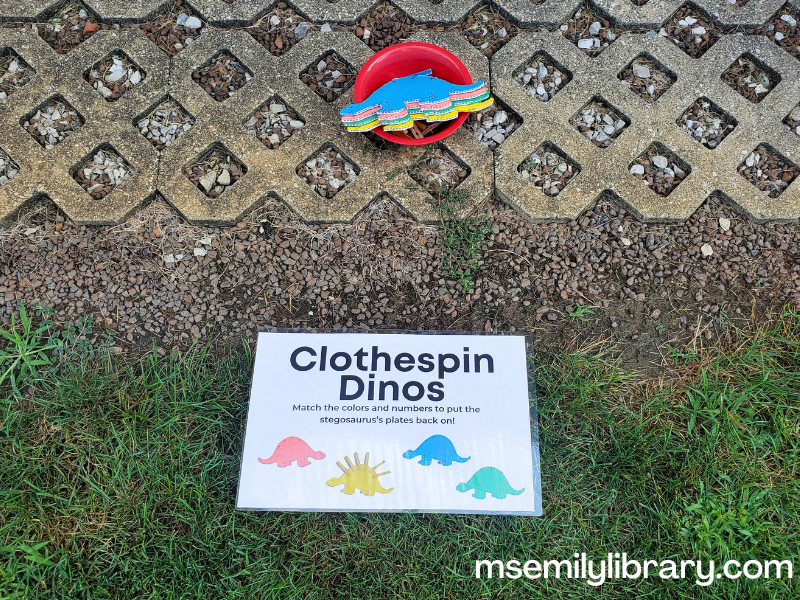
This is another station that I had made several years ago, and seemed perfect to add to a dino themed week. Kids match the numbered and colored clothespins to the correct stegosaurus and work on their grip strength at the same time. I talk more about making these at this post from 2022. Download a template for the Clothespin Stegosaurus here!
T-Rex Slalom (Dry, Movement)
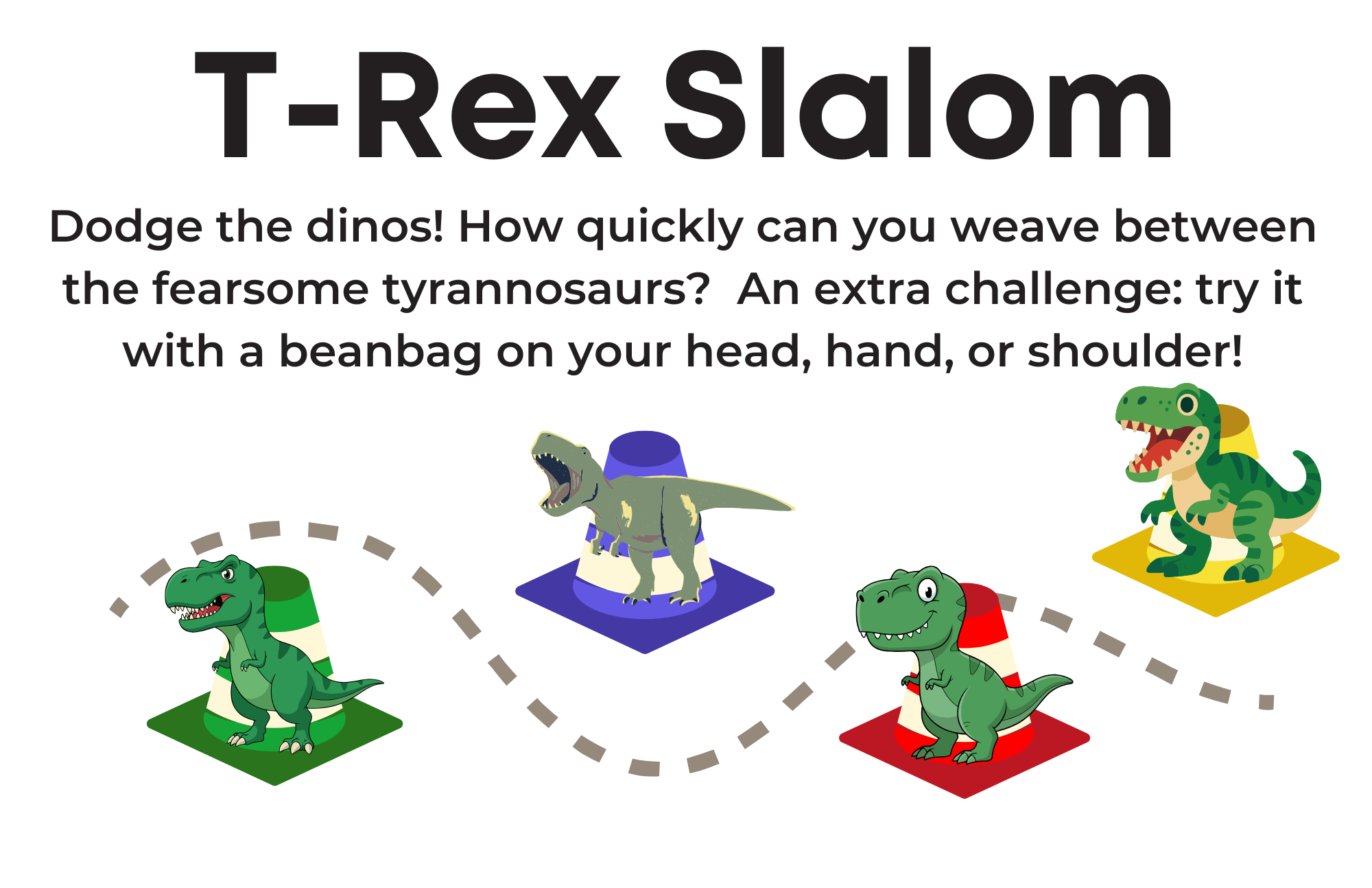
This year I decided to add a movement station each week. This was an easy one to make with our athletic cones. I printed some T-Rex graphics and laminated them, then taped them to the sides of the cones and provided some beanbags for an extra challenge. The cones are pretty close in the picture – they got spread out a little more when we started.

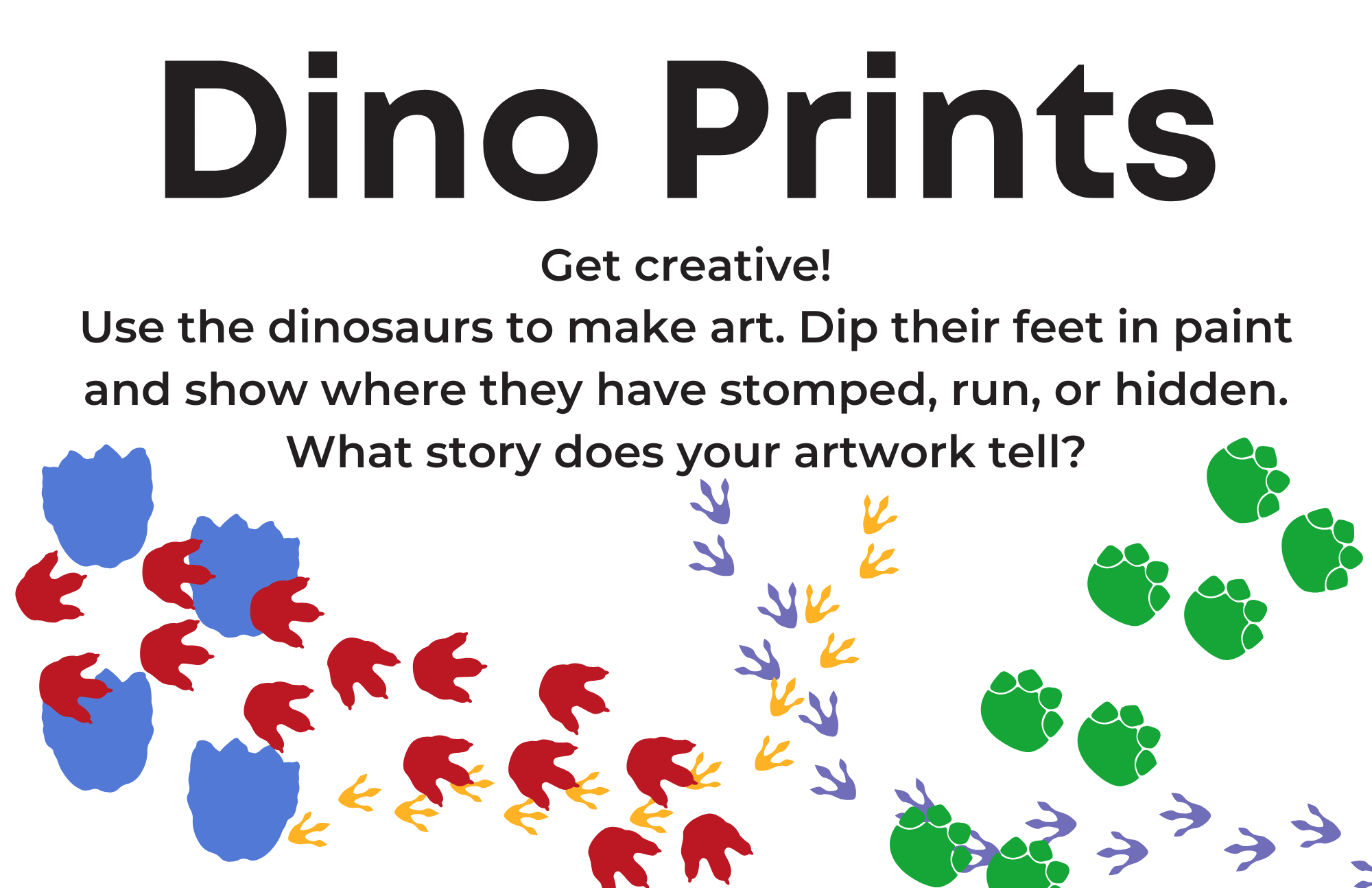
Dino Prints (Art)
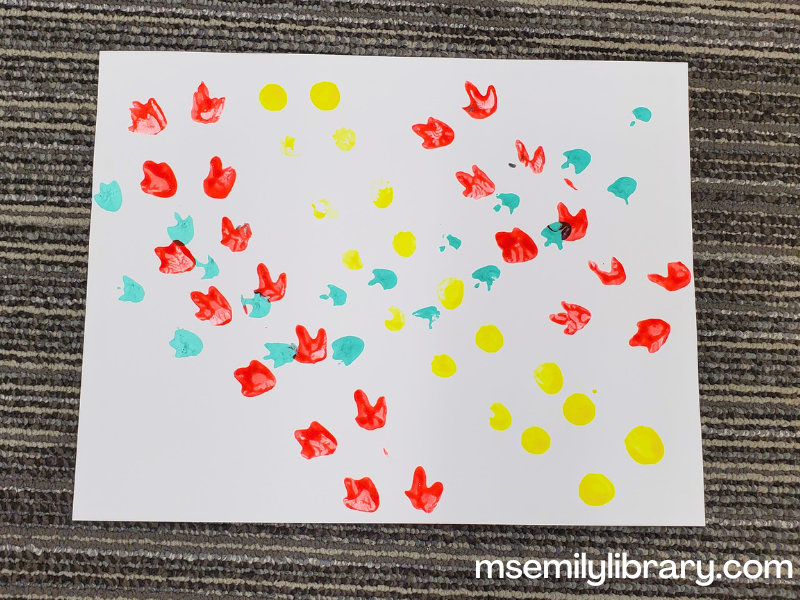
I can’t believe I didn’t get a setup picture of this one! We purchased a set of plastic dinosaurs and used them several times throughout the summer for various stations, but this was the first one. I added fun neon tempera paint to some containers (cleaned out Lean Cuisine trays are a great size and shape for dipping paint crafts!) and set the dinos out. I did have my sample that I created for a virtual storytime, so there’s a photo of that. The dinosaur feet weren’t completely flat, so it was a bit more difficult to get a good print than I had expected, but it didn’t seem to matter much to our participants.
Week 2: Unearth Treasure 6/17/26
Intro: This week we’re talking about buried treasure. Have you ever imagined following a treasure map and finding something shiny buried deep and hidden away?
This was a cute one, although the commentary by the brother felt a little awkward to me.
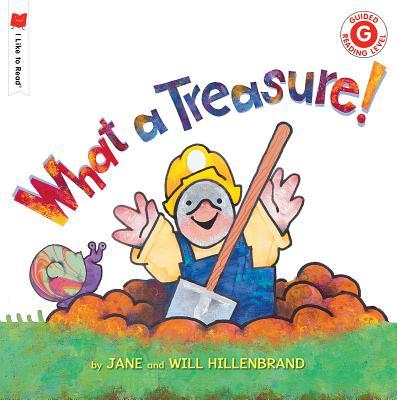
Themed Read: What a Treasure! by Jane & Will Hillenbrand
Are you ready to do our own treasure hunt?
Themed Rhyme: Going on a Treasure Hunt
We’re going on a treasure hunt! (call and response first 3 lines)
I’ve got my shovel
I’m not scared
Uh-oh, look at that tall, wavy grass
We can’t go over it
We can’t go under it
We have to go through it
Swish, swish, swish, swish
(additional verses)
Uh-oh, look at the big, wide river… Splash, splash, splash, splash
Uh-oh, look at all that mud… squish, squish, squish, squish
Uh-oh, Look at that deep, dark, cave! Creep, creep, creep, creep
Look, there’s the treasure chest!, It’s full of treasure! Hooray!!
Uh-oh, what’s that sound? It’s a pirate!! Run!!!
Quick, back through the cave! Creep, creep, creep, creep
Run through the mud! Squish, squish, squish, squish
Swim the river! Splash, splash, splash, splash
Run through the grass! Swish, swish, swish, swish
Run through our yard! Up the stairs, Into the house, Close the door
Whew! We’re safe, That was a close one. Let’s not go treasure hunting anymore
Source: The Kiboomers
Week 2 Stations:
Pouring Station (Wet) (see here)
Kinetic Sand (Dry) (see here)
Color the Parachute (Art) (see here)
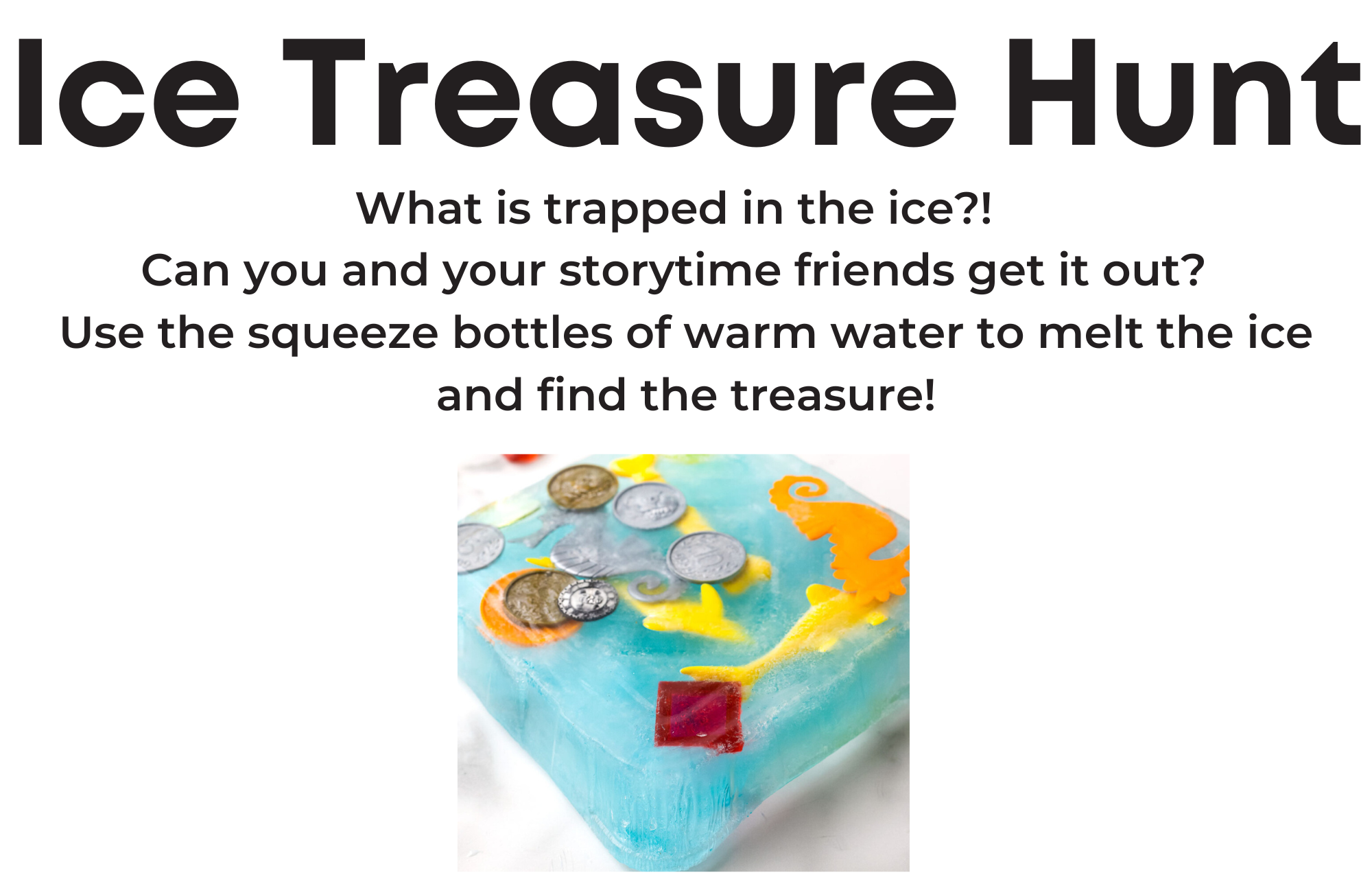
Ice Treasure Hunt (Wet)
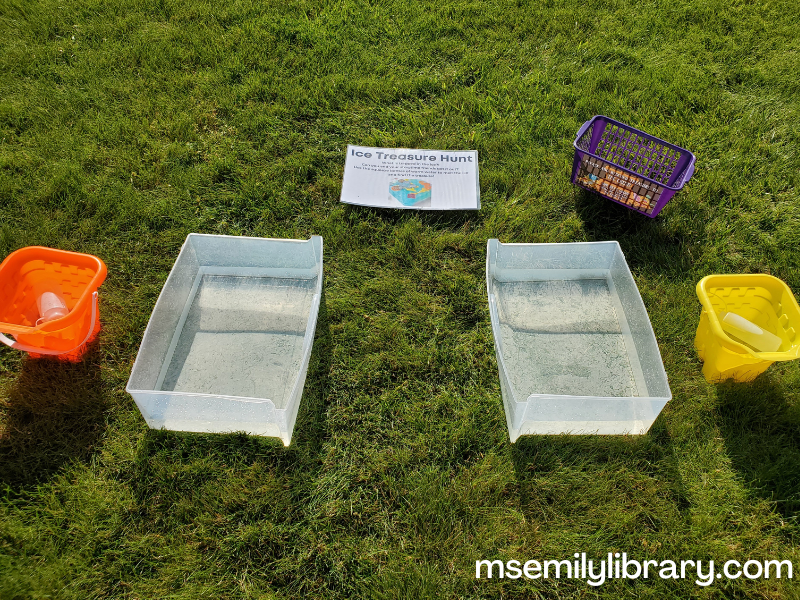
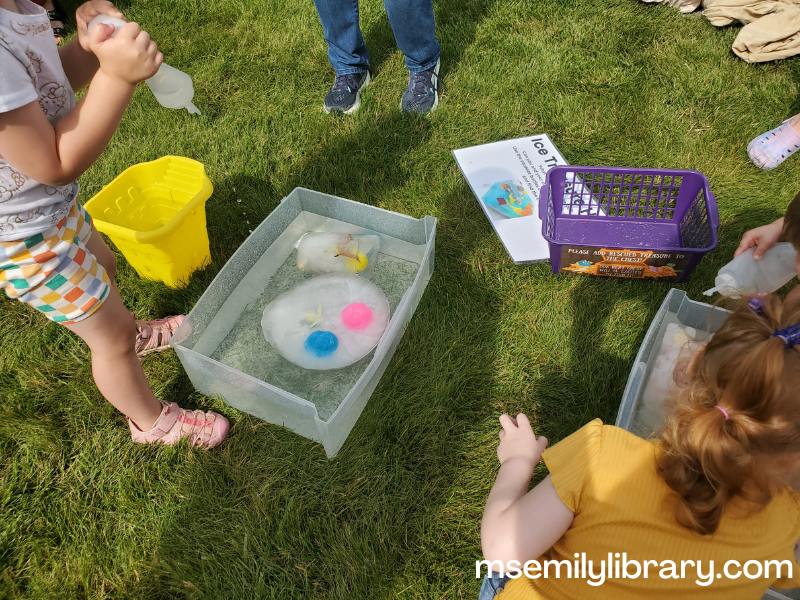
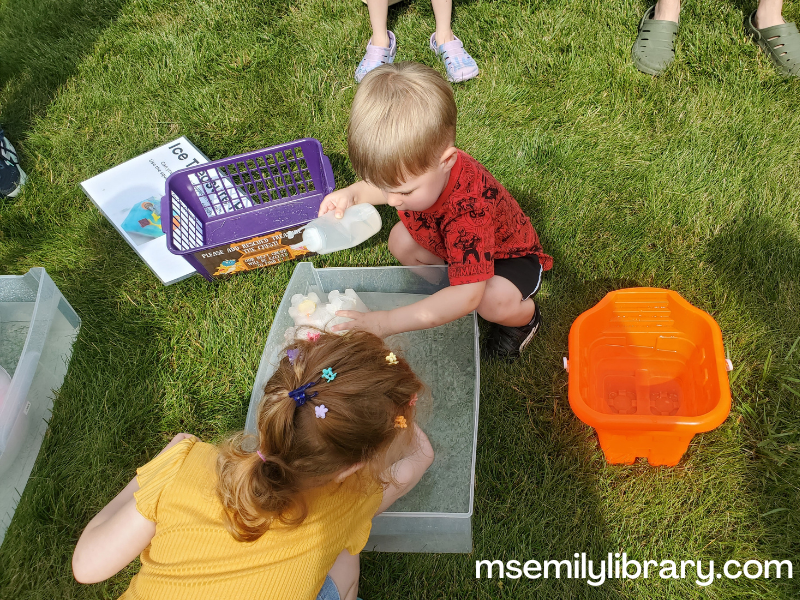
I did a version of this in 2023 but it feels like it worked out better this time. Instead of using a quart-sized container, I used some sandcastle buckets we have, layering a few treasures at a time and adding water to make a big block of treasure-filled ice. The containers had a good amount of texture along the sides so it was harder for the layers of ice to detach and float to the top of any new water layer. There were also some large Halloween candy bowls that I used as well, which were harder to keep the layers from floating, but we managed it somehow. We had two days of this station, so we made four ice blocks total. Inside were fake gold coins, medium sized seashells, some of our dinosaur figurines from week 1, large plastic diving gems, large 2″ pompoms, and river rocks. I filled the big drawer bins with just a few inches of water from the hose, then provided the orange buckets (sans ice) and squeeze bottles filled with water as hot as I could get it from the tap. When we released to stations 20 minutes into the program, the water was warm but not too warm, and I put the ice blocks in the bins from a cooler. The kids really worked diligently to get the treasure out, and the blocks were big enough that there was still ice left at the end of the program! I realized that the treasure was kind of fun stuff, but I didn’t want kids to be taking it home, so I put out a basket nearby with a sign as our “Treasure Chest.” The sign asked kids to collect the treasure in the chest to save for the next group. I found the photos for the sign at Kids Activity Zone. The first photo shows the bins with just water – I kept the ice blocks in a cooler until it was station time. But I was able to snap a couple of pictures of the kids playing!
Mystery Water (Wet)
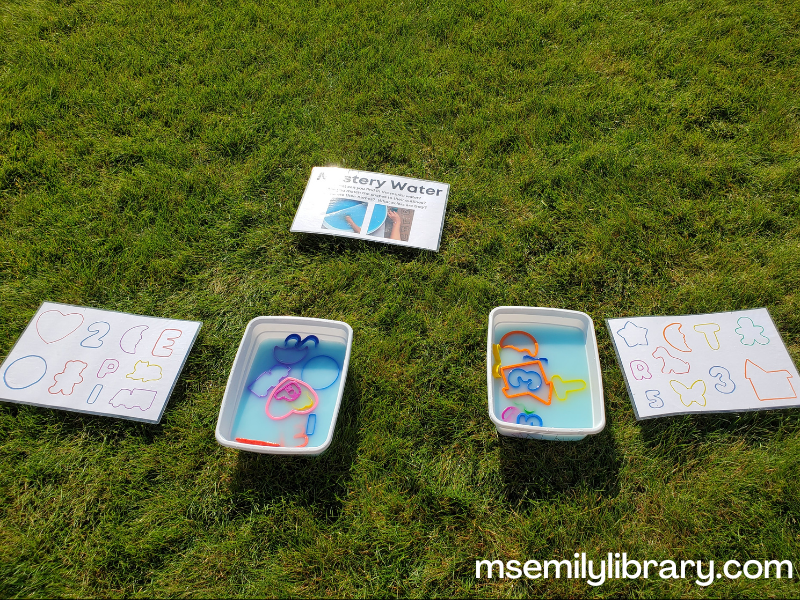
Inspired by this Pinterest pin from bright_little_brains, I used some plastic cookie cutters we had in storage, traced their shapes on a large sheet of paper, and laminated. The water was mixed with a few tablespoons of cornstarch and several drops of food coloring to make the water murky. I also added some of my toy pirate gold to each bin. Unfortunately, the cookie cutters weren’t very heavy and kind of floated to the top, but it wasn’t a disaster and the kids enjoyed the activity anyway.

Pool Noodle Sort (Dry)
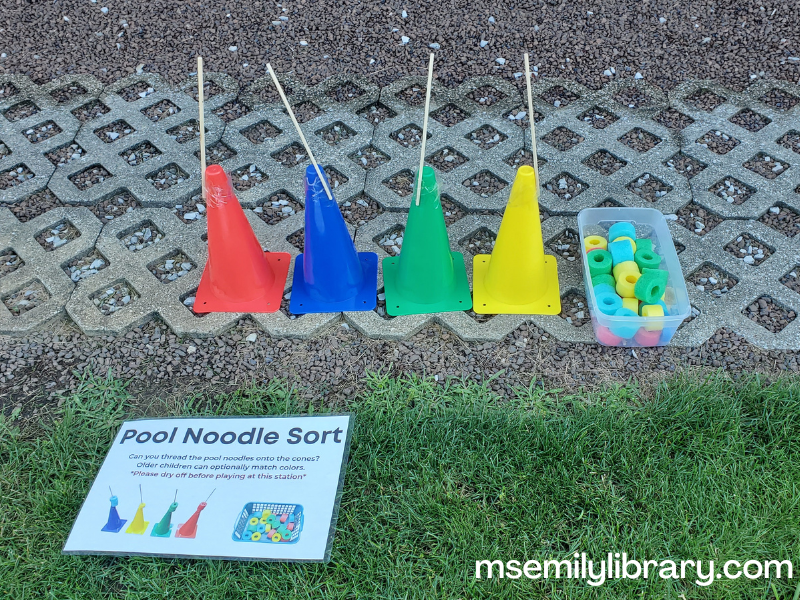
Using the pool noodle slices (from Pool Noodle Soup), I taped a dowel rod to four small plastic cones in red, green, yellow, and blue. Kids could then thread the colored noodles on to the cones. Original idea from this Pin (no blog).

Feed the Croc (Dry)
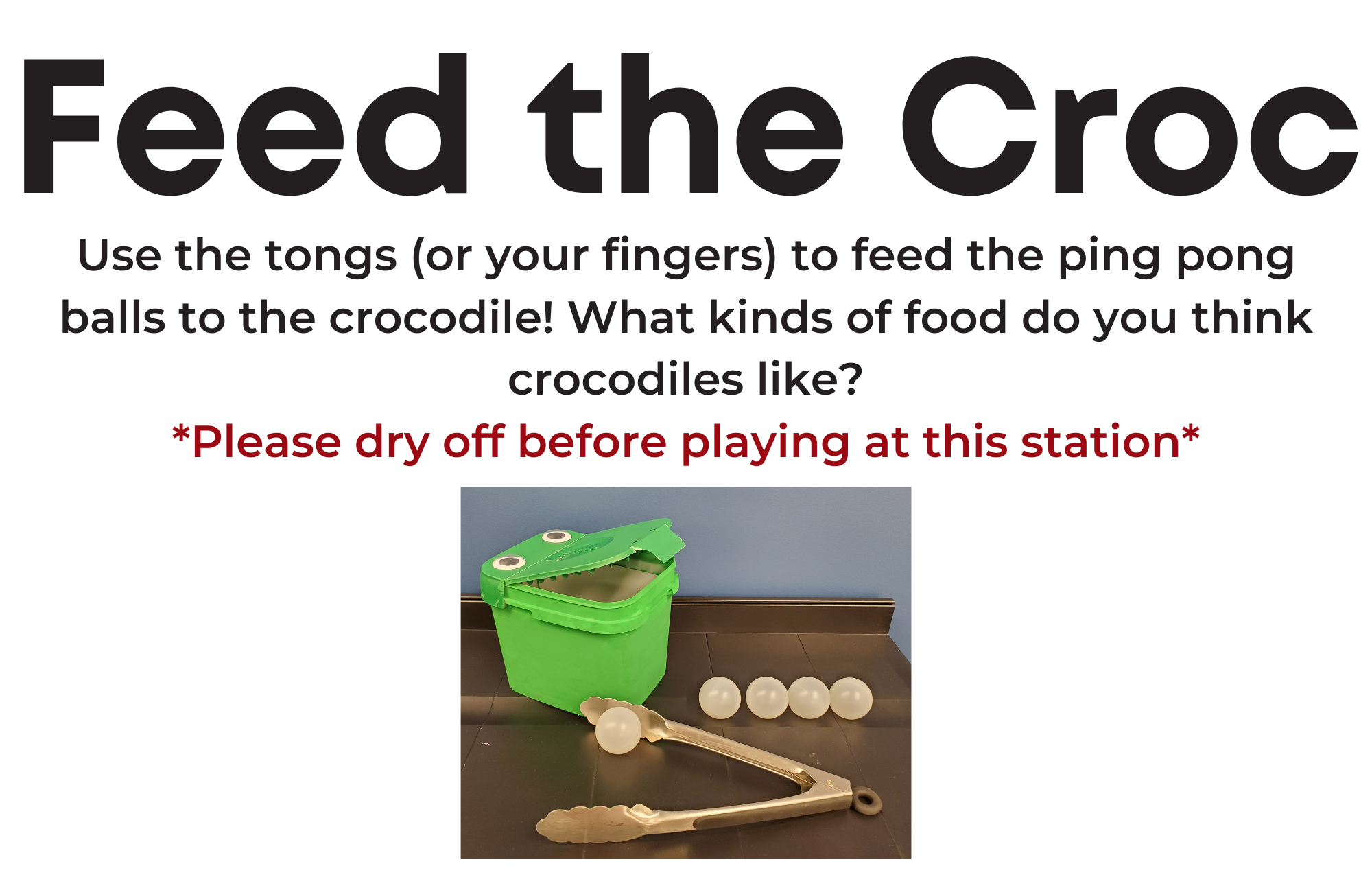
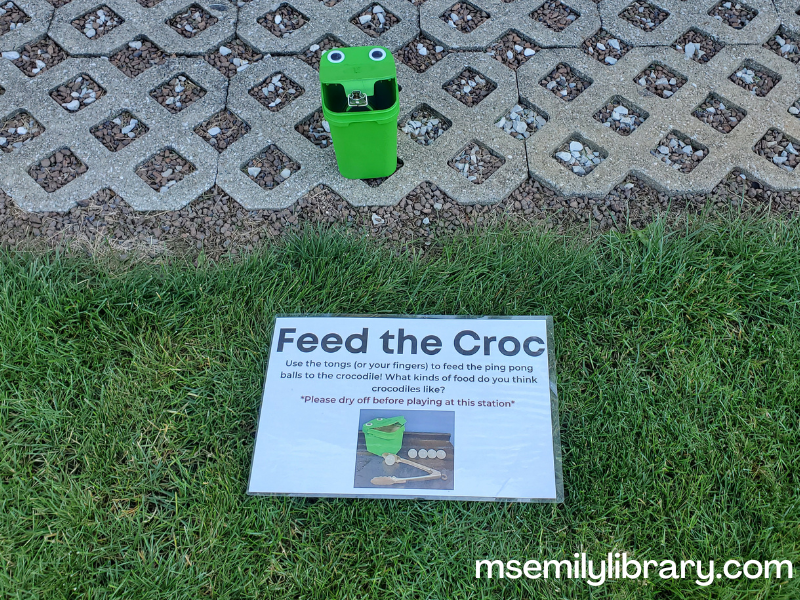
I’d made one of these a couple years ago but it somehow got used and broken in the meantime. My kind coworker then made me two replacement crocodiles! With a few metal tongs at Goodwill and ping pong balls, it’s a cute fine motor station. Nom, nom, nom! Original idea from Mama OT.
Beanbag Toss (with hula hoops) (Dry/Movement)
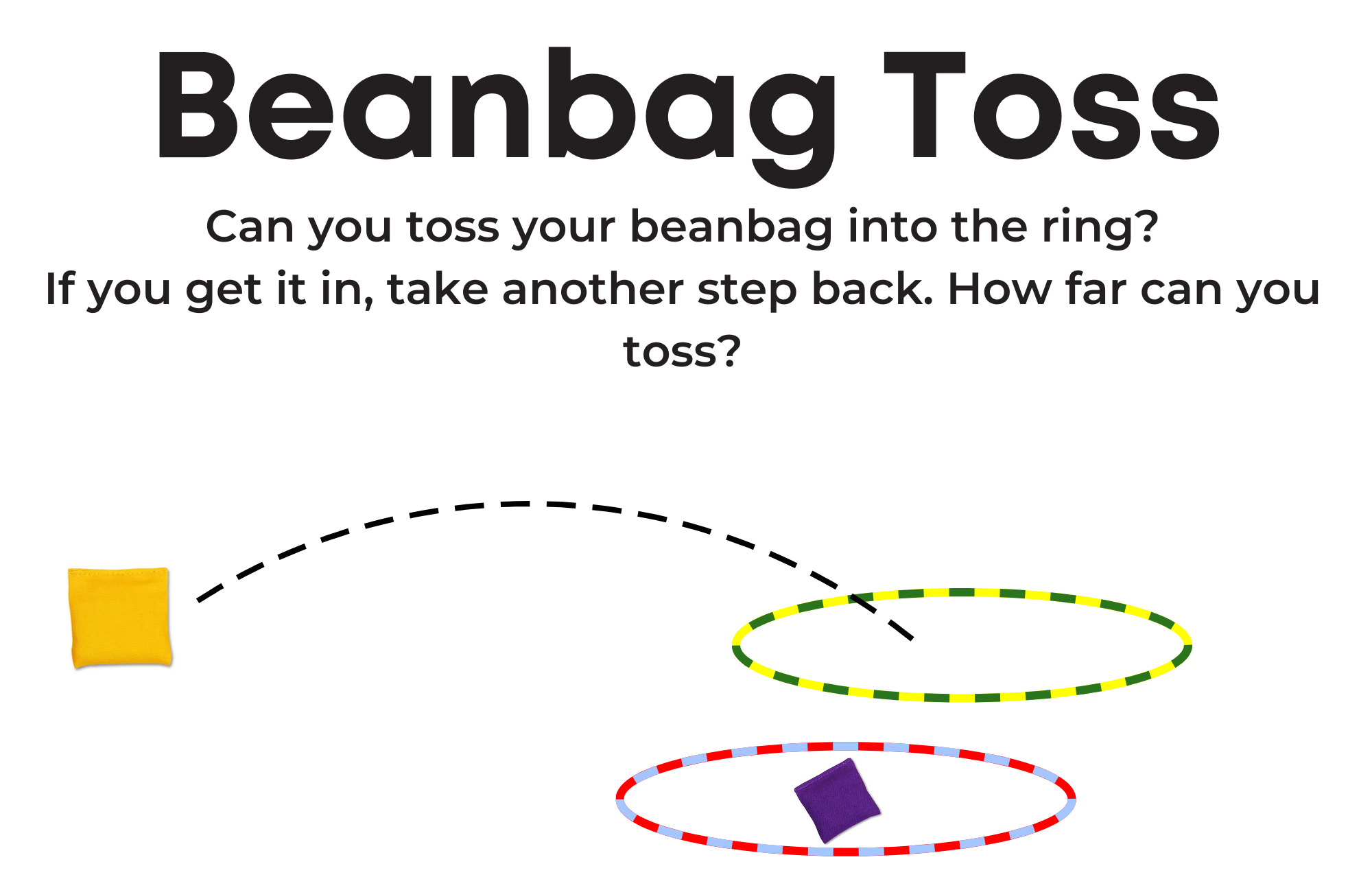
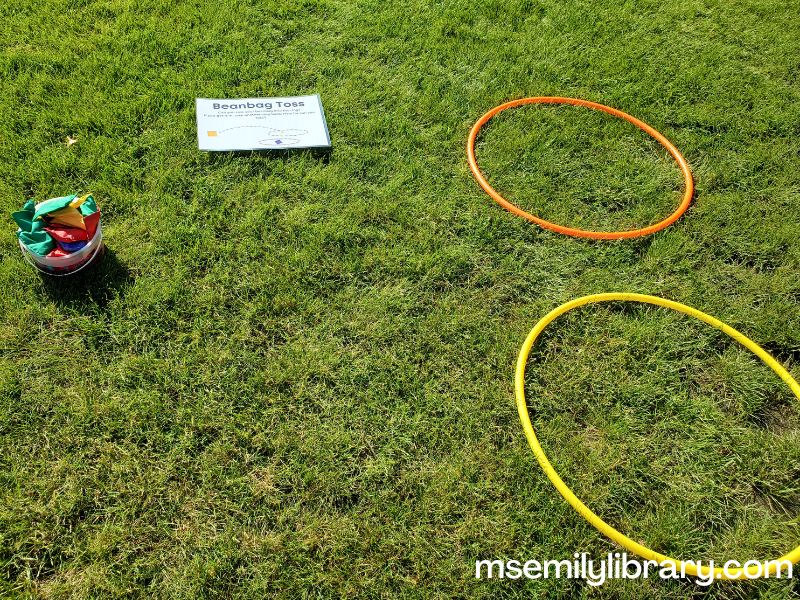
A simple beanbag toss for this week’s movement station – I used square beanbags and two hula hoops.
Dot Painting (Art)
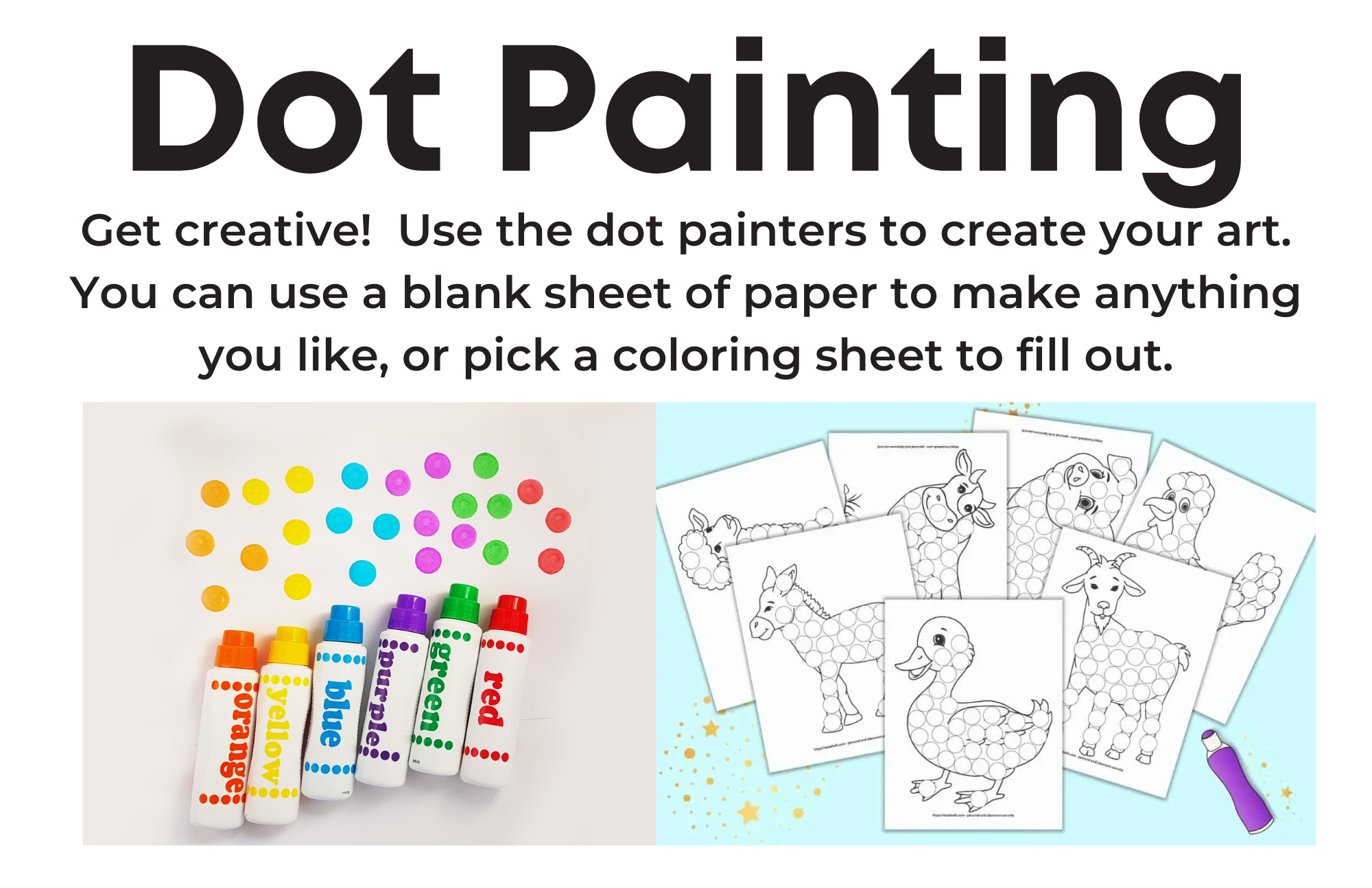
Using our stash of dot painting markers, I created dot coloring sheets that had to do with our themes – a pig in mud, treasure chests, sand castle, treasure map, and some dinosaurs. Did you know you can make any traditional coloring sheet a dot sheet just by adding circles? I do it in Canva and it’s pretty easy. I keep the dots at about .5″ to .75″ in diameter and just add them to big areas. It works better with pages with big open spots rather than lots of detail.

Week 3: Unearth Worms 6/24, 6/25/26
Intro: This week we’re talking about worms! Worms are a little wiggly and slimy, but they are so cool! They help keep the dirt loose and full of nutrients so plants can grow.
The original on this one has Wiggly going back into a pocket and going to sleep, but since we’re talking about unearthing I had him go back down to the ground.
Themed Rhyme: Wiggly Worm
Wiggly is a wee worm who wiggles everywhere
Can you keep your eyes on it as it wiggles here and there?
Wiggly starts down at my toes
And wiggles all the way up to my nose!
It wiggles back down without a peep
Digs a hole and goes to sleep
Source: King County (WA) Library System
I got a good number of laughs at this one, but it felt like it was mostly from grownups. It might be a better choice for the preschool set. My backup is the very sweet How to Say Hello to a Worm by Kari Percival, and I think it may have been a better choice.
Themed Read: What About Worms!? by Ryan T. Higgins
Week 3 Stations:
Pouring Station (Wet) (see here)
Kinetic Sand (Dry) (see here)
Color the Parachute (Art) (see here)
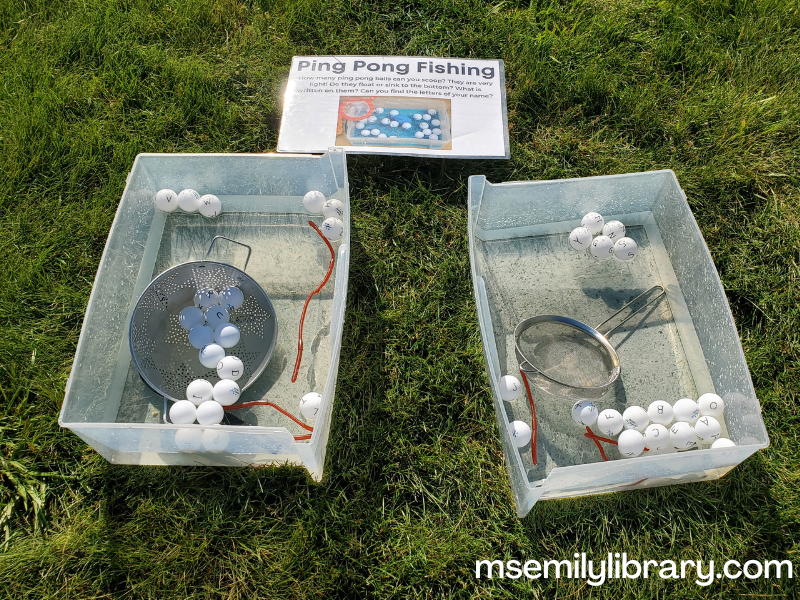
Ping Pong/ Worm Fishing (Wet)
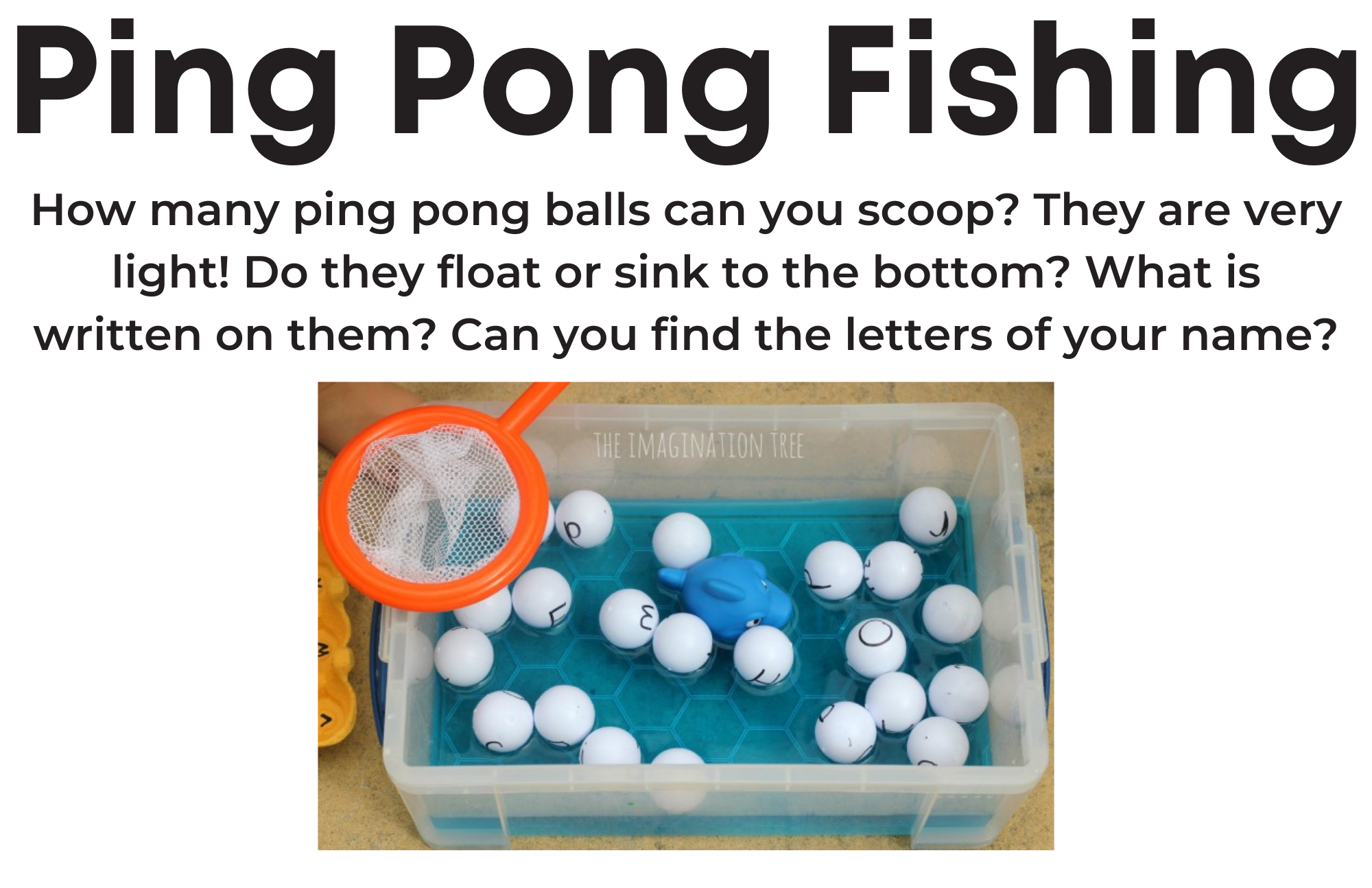
This was basically a station I’d done before, Ping Pong Fishing, but with fake fishing lure worms added in. I didn’t even change the sign. I had written the alphabet on ping pong balls and used them, the worms, and colanders, sieves, and slotted spoons in the bin. Original idea (and photo on the sign) from the Imagination Tree.
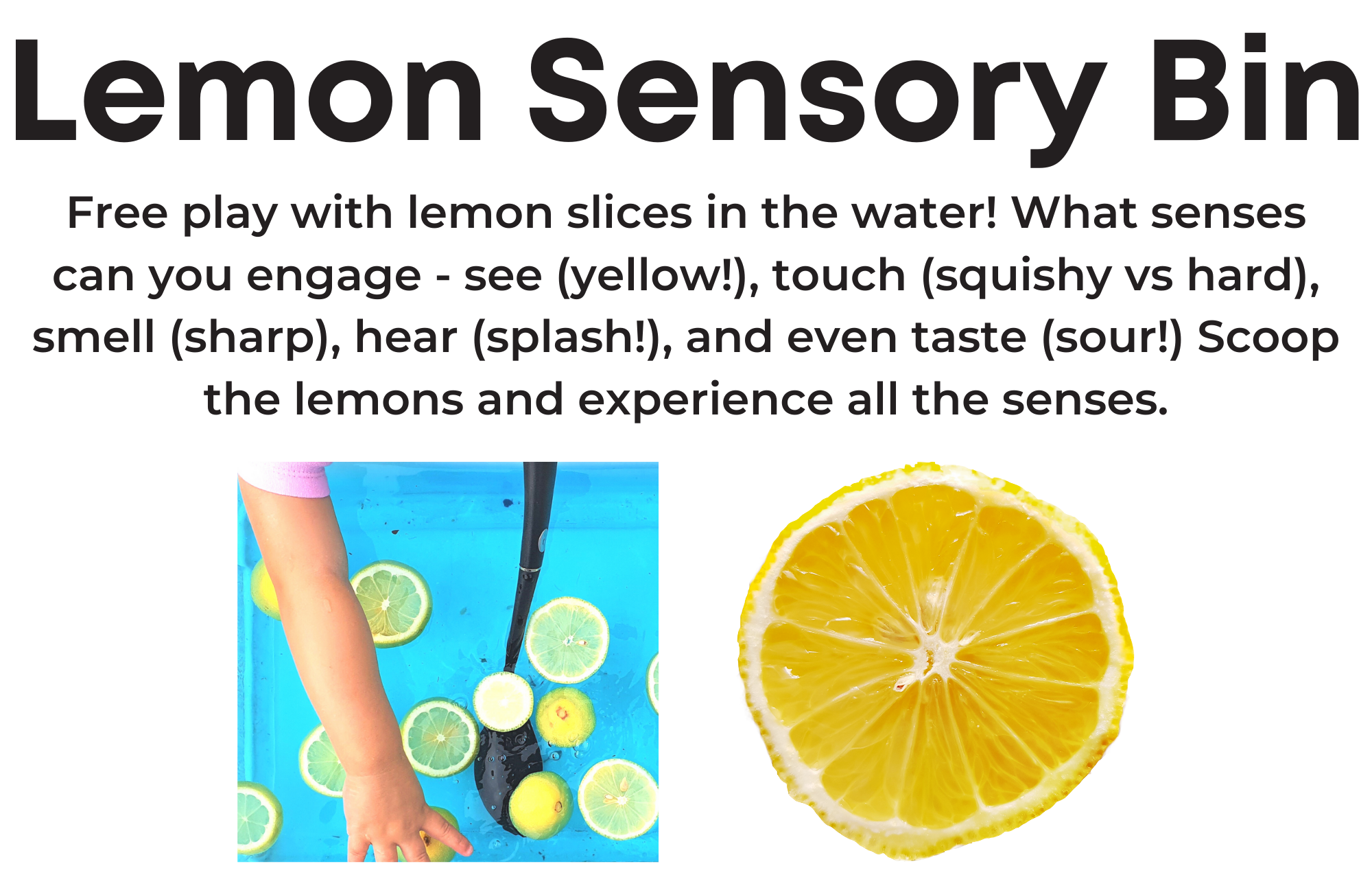
Lemon Sensory Bin (Wet)
Mm, this is always one of my favorite stations! It’s super easy and smells so good. I bought a bag of lemons and we divided them among our sessions, which ended up being about 1.5 lemons per day. We cut them up into slices and added them to a bin with water along with ladles. I did announce that there was a lemon bin before breaking for stations just in case there was an allergy issue, but no one had a problem. Original idea (and photo on the sign) from Taming Little Monsters.

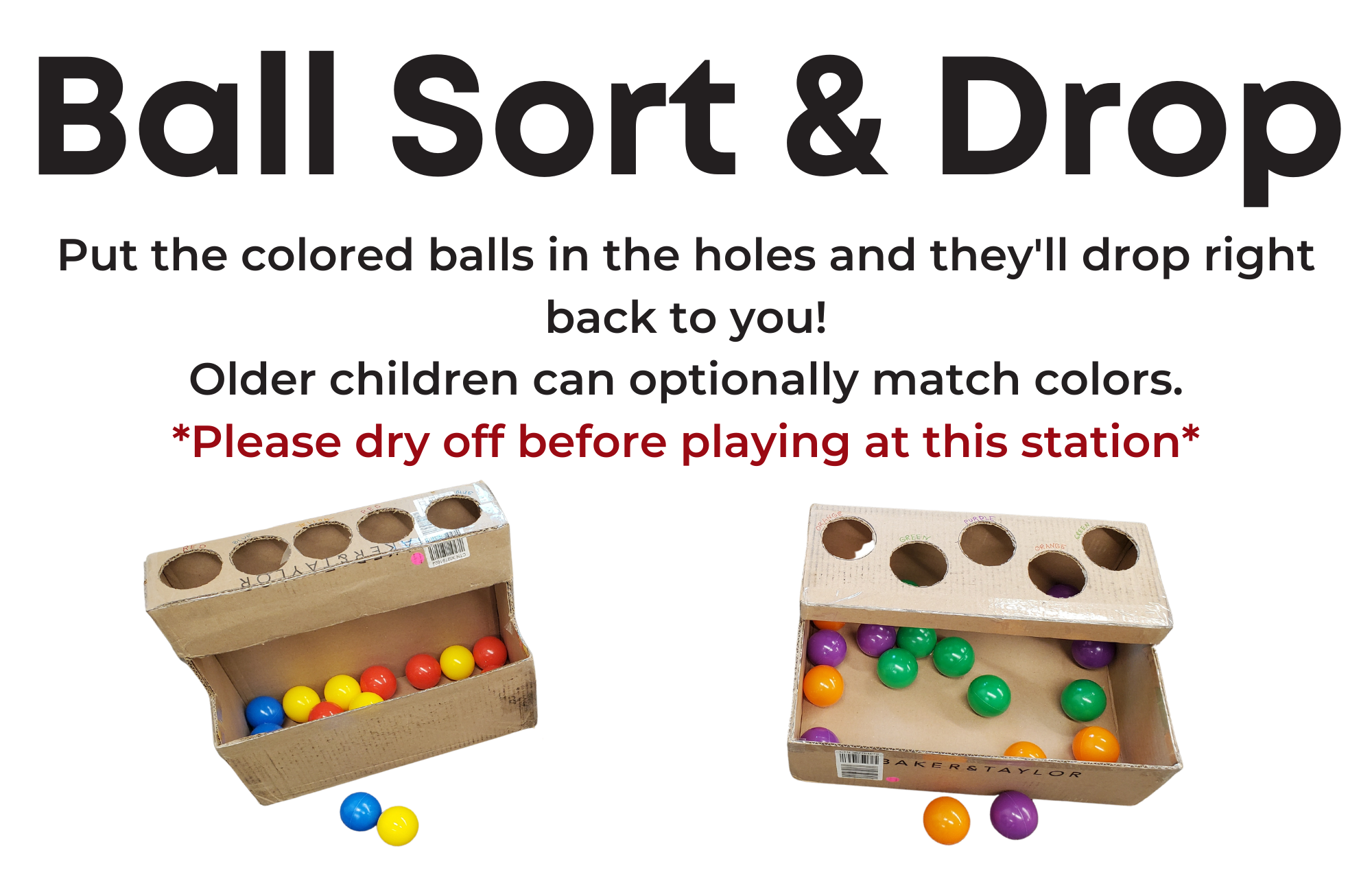
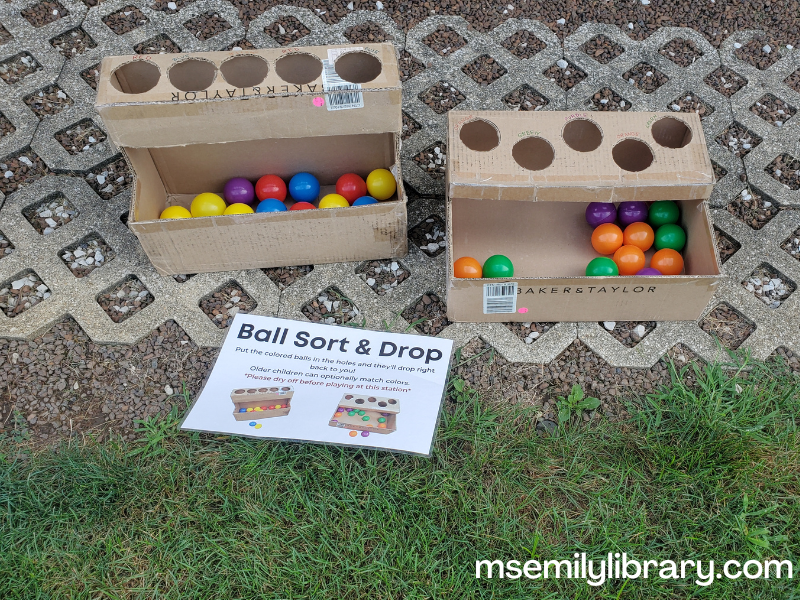
Colored Ball Sort (Dry)
This ball sort and drop was made a few years ago with Baker & Taylor boxes (RIP), but oriented different ways so one was tall and skinny and one was low and squat. I had purchased ball pit balls and supplied different colors to each box. Original idea from Taming Little Monsters.
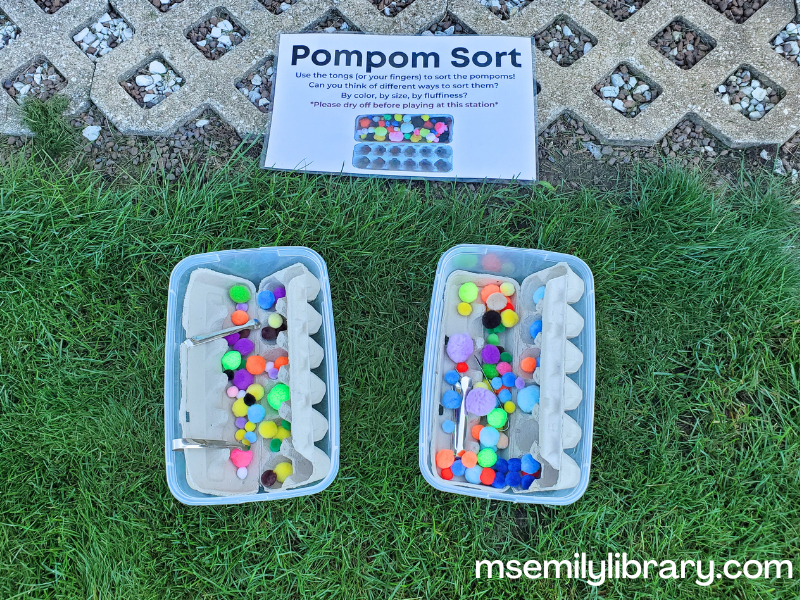
Pompom Sort (Dry)
An easy station – I just saved a couple of egg cartons, then poured a handful or two of different colored/sized pompoms into them and provided small metal ice tongs. After a couple of years, my egg cartons are starting to get a little raggedy, so I’ll plan to replace them next year! Original idea from Laughing Kids Learn.

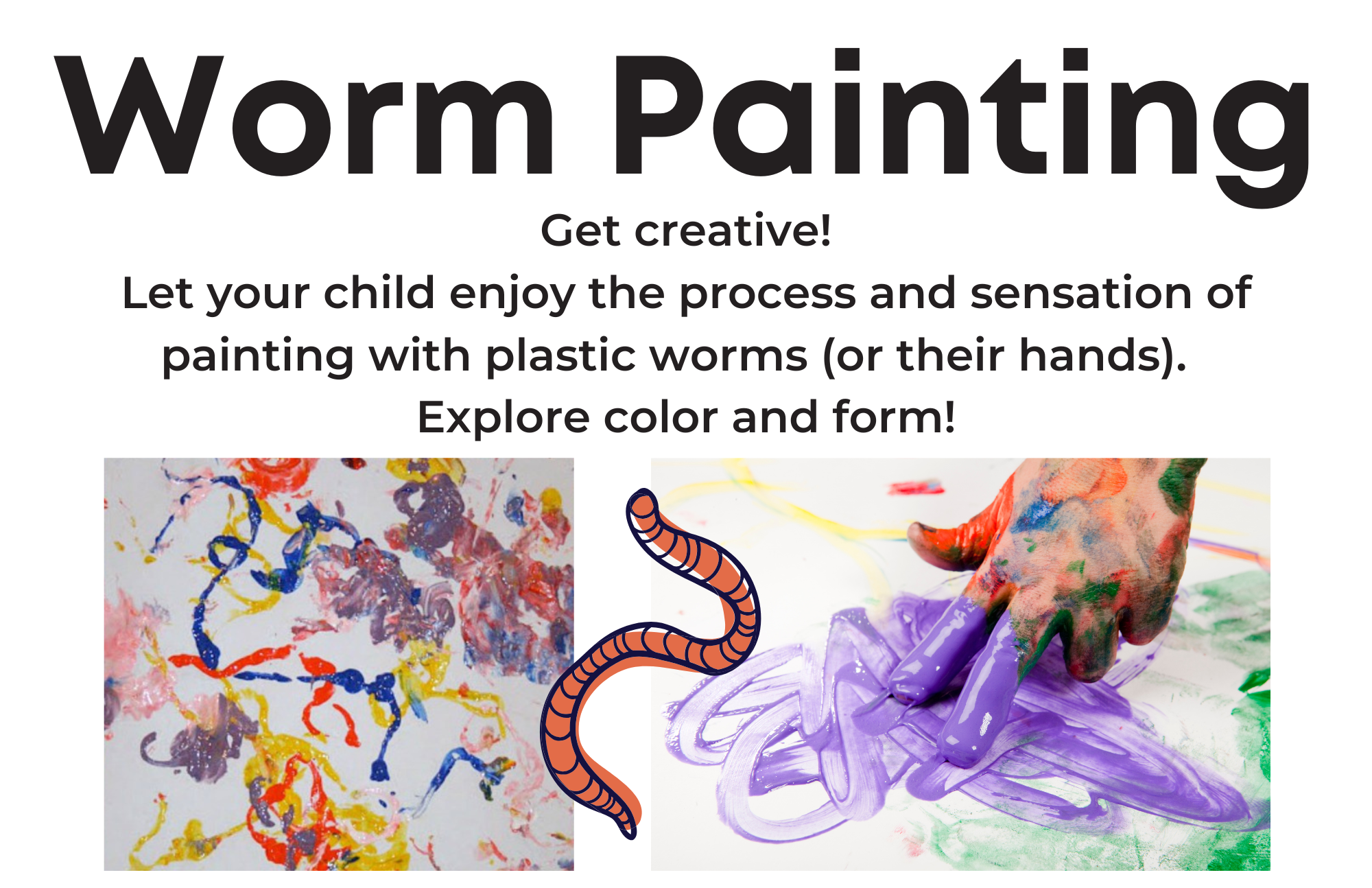
Worm Art Finger Painting (Art)
I knew I wanted to do worm art, so used some of the fake fishing lure worms from the worm fishing (there were plenty in a pack) and provided finger paints for process art. I think the way the worm rings showed up in the artwork was really very cool. I saw quite a few blogs who were doing something similar, but none of them had pictures that conveyed what I wanted when I was creating the sign, so I found a nice photo of spaghetti painting from The Imagination Tree that worked really well.

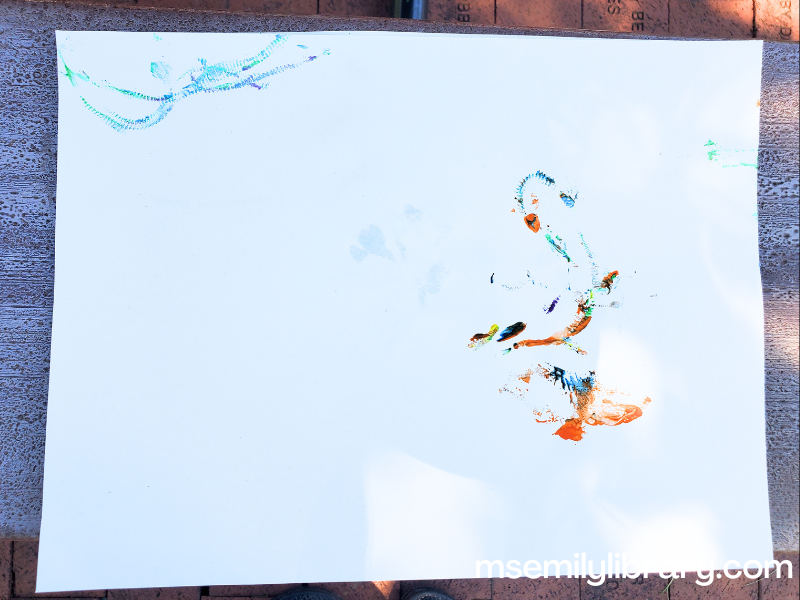
This was a left behind page, but it’s so cool how you can see the worm rings!
Week 4: Unearth Big & Small 7/8/26
Intro: So far we’ve talked about very BIG things and very SMALL things, Dinosaurs and worms. But wait, not all dinosaurs were BIG!
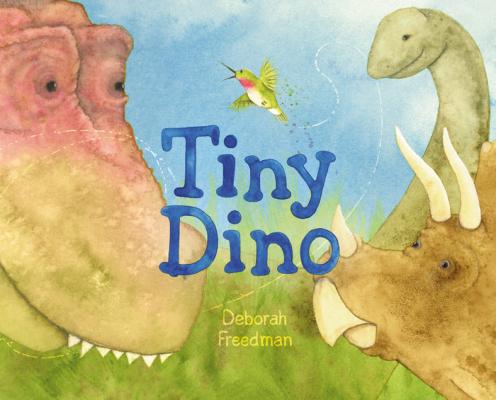
Themed Read: Tiny Dino by Deborah Freedman
I didn’t read the “facts” that went along with the story, but very briefly explained them if they weren’t self evident.
I’ve known this rhyme for a very long time, but it always stopped at “yes, yes, yes, no, no, no.” But sometime before summer I saw a woman on Instagram doing the rhyme with her baby (which I definitely need to incorporate into Book Babies) and she had a whole other verse! I added it on here and we enjoyed especially the great big hug.
Action Rhyme: This is Big, Big, Big (extended version)
This is big, big, big (hold arms out to side)
This is small, small, small (cup hands together)
This is short, short, short (flat hand lowers)
This is tall, tall, tall (flat hand reaches up)
This is fast, fast, fast (circle fists quickly)
This is slow, slow, slow (circle fists slowly)
This is yes, yes, yes (nod head)
This is no, no, no (shake head)
This is up, up, up (reach up)
This is down, down, down (reach down)
This is square, square, square (trace a square in the air)
This is round, round, round (trace a circle)
This is left, left, left (shake left hand)
This is right, right, right (shake right hand)
This is great big hug and hold on tight (hug self or grownup)
Source: Mel’s Desk, 2nd half adapted from IG happybabbler
Week 4 Stations:
Pouring Station (Wet) (see here)
Kinetic Sand (Dry) (see here)
Color the Parachute (Art) (see here)
Sort Beanbags (Dry) (see here)
Craft Stick Sort (Dry) (see here)
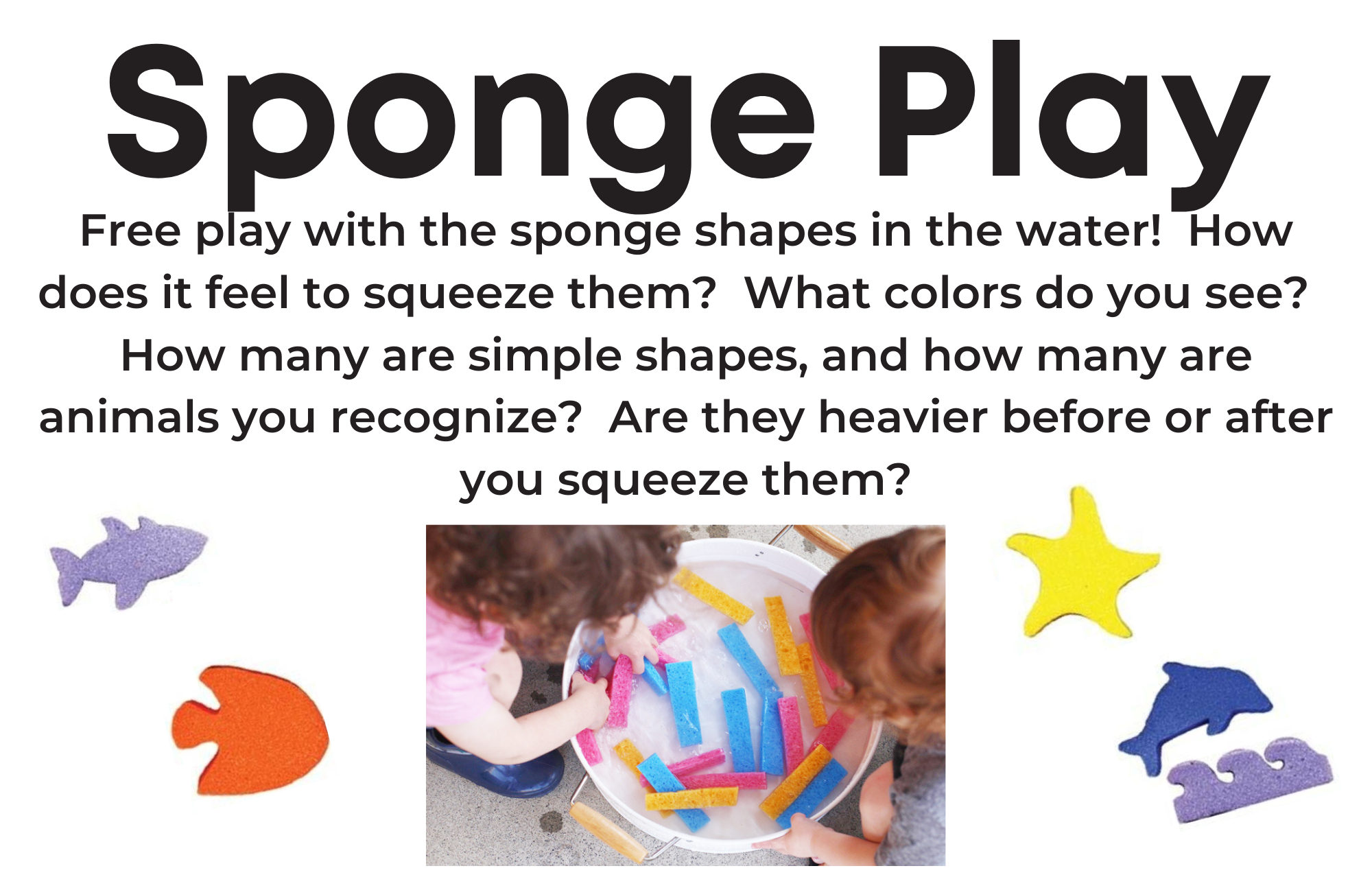
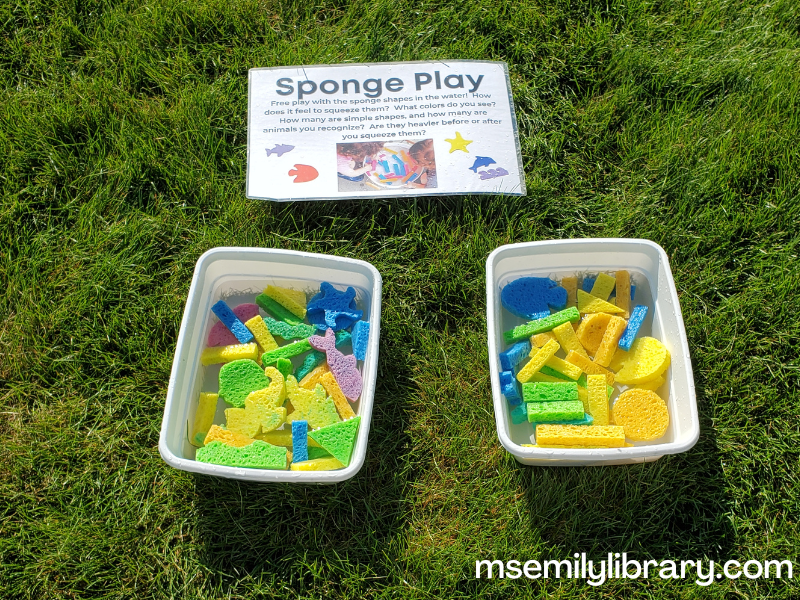
Sponge Play (Wet)
Another repeat from years past, but very simple and popular with the littlest ones. I have some simple shapes like rectangles, squares, triangles, and circles, but there are also some ocean animals in there since I made them when the SRP theme was “Oceans of Possibility.” Original idea (and photo on the sign) from Little Lifelong Learners.
Scooping Blocks (Wet)
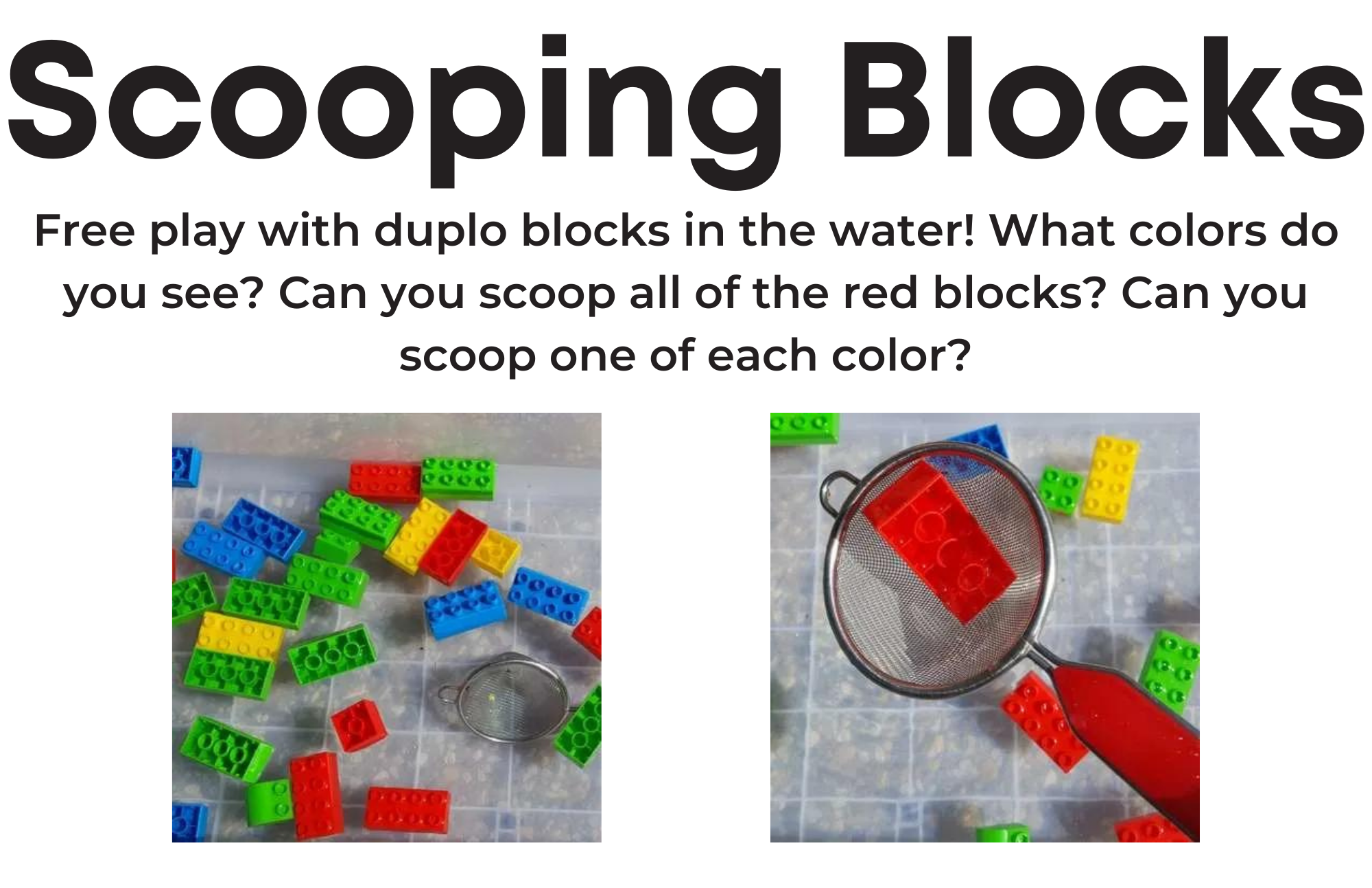
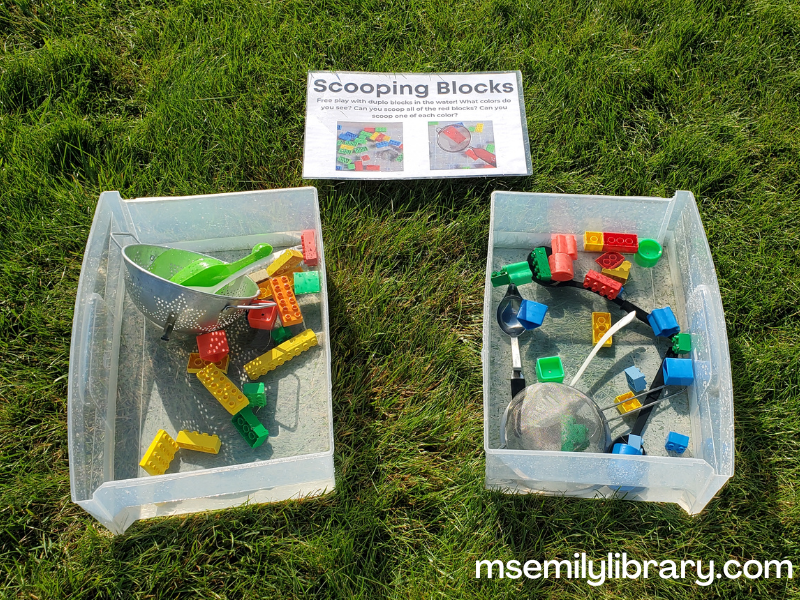
Lego Duplos plus water and scoopers! This one was fun for its obvious purpose, but added bonus: some kids actually took the Duplos out of the water and put them together! We had all the Duplos already, and I added some of the sorting blocks from our baby toys to the mix, as well as ladles, colanders, and sieves. Original idea (and photo on the sign) from My Bored Toddler.
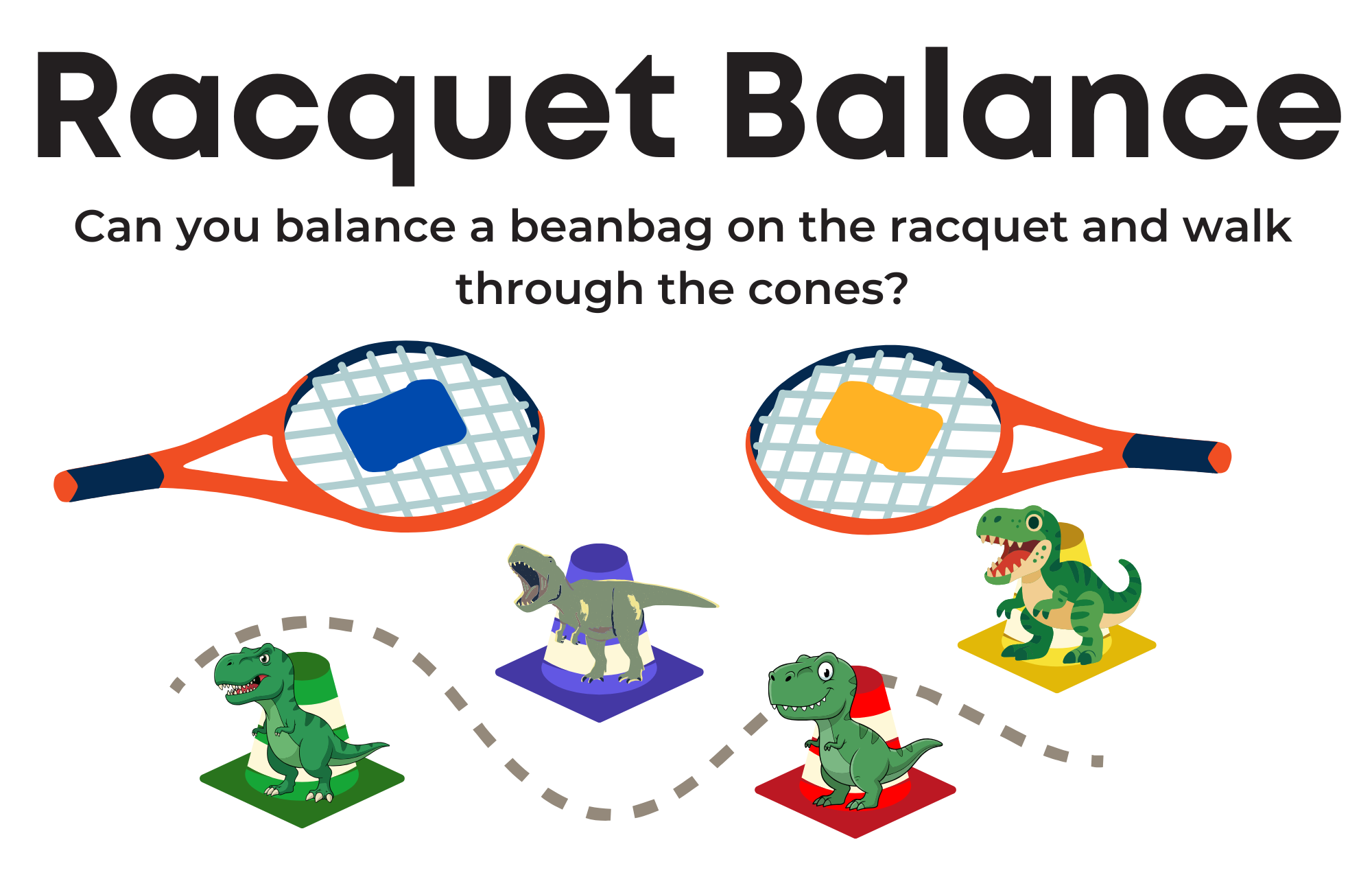
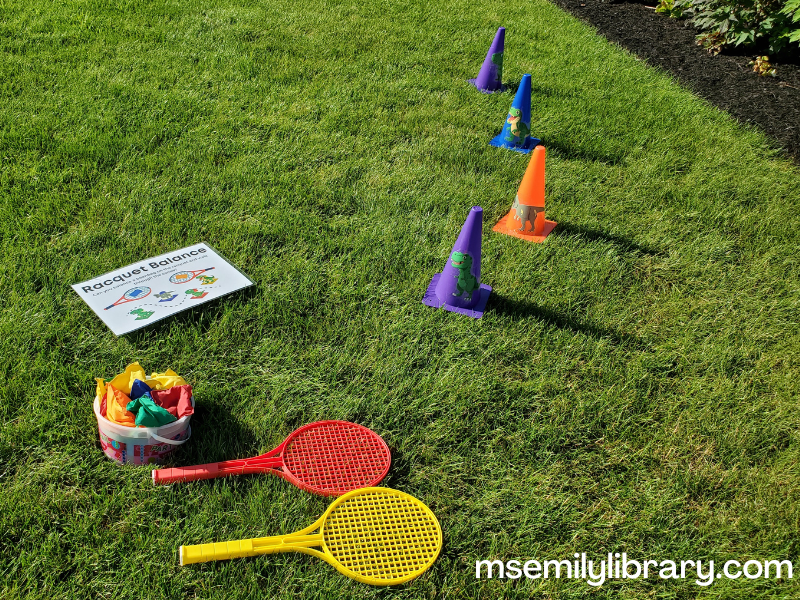
Racquet Balance (Dry/Movement)
This actually turned out to be one of the most popular of the movement stations, primarily with older siblings who enjoyed flipping the square beanbags like pancakes. We got most of our athletic equipment from a grant from the Young Athletes of the Special Olympics, and it’s been really nice to have. I reused the T-Rex cones, too.
Ice Painting (Art)
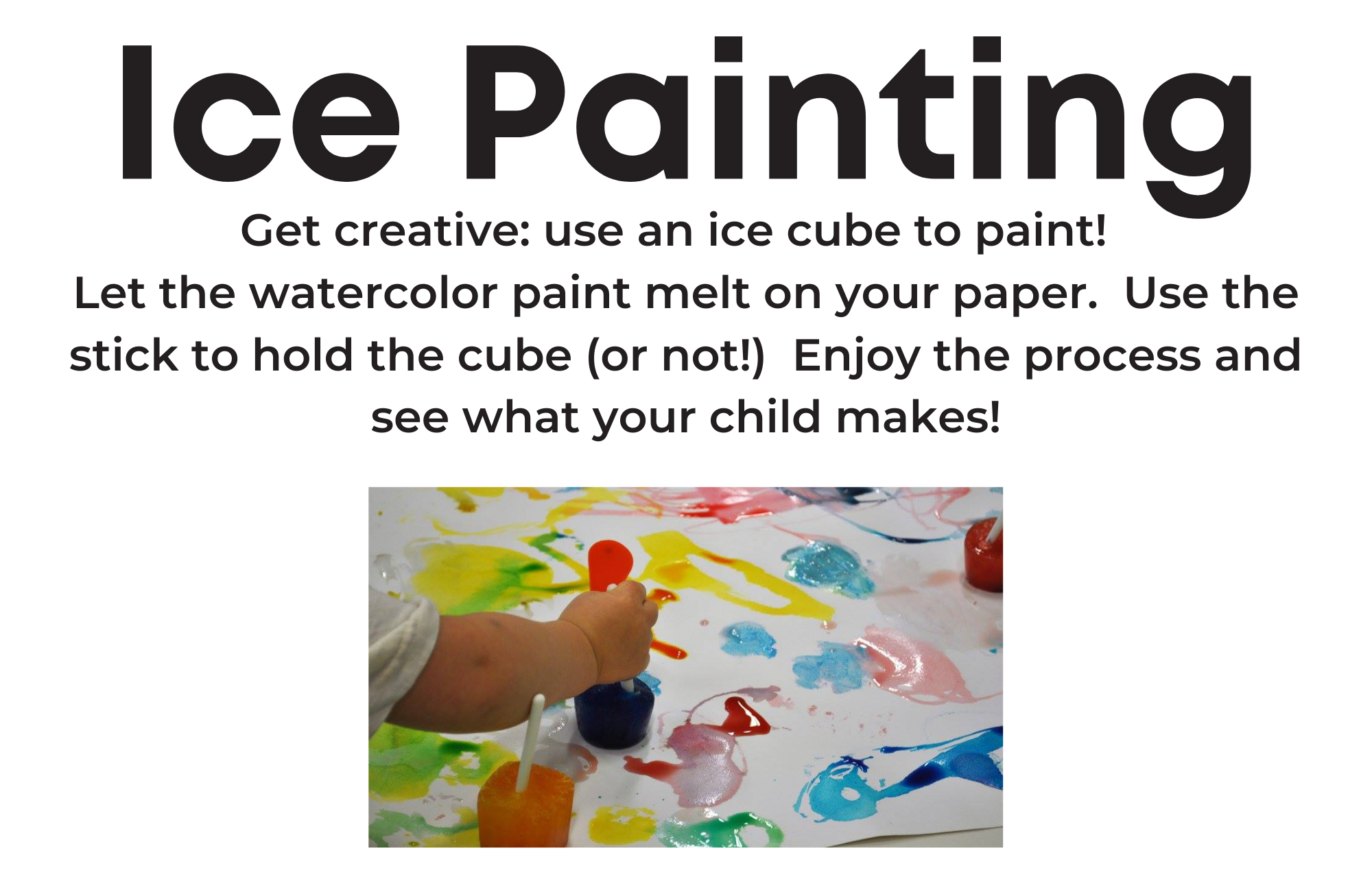
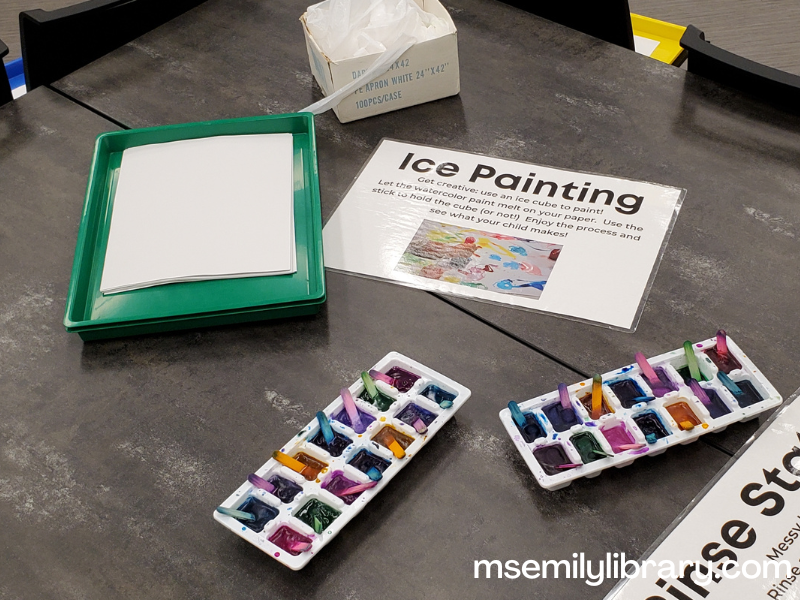
Again, somehow I missed getting a picture of this one. But it’s always got a wow factor, and I get questions from multiple adults on how I made the ice cubes. I use liquid watercolors – 5-6 drops per cube filled the rest of the way with water. Small craft sticks make a handle, and I keep the ice cube trays in a cooler in the shade until we’re ready for stations, then get them out to use. They do melt a bit as the program goes, but you actually want that to get the paint going. Photo shared here was from 2023, on a day that we were indoors. Original idea (and photo on the sign) from ARTventurers.
Week 5: Unearth Dirt 7/15/26
Intro: This week we’re talking about the earth itself – in other words, DIRT! Dirt can be very fun to play with. Have you ever made a mud pie?
Themed Action Chant: Make a Mud Pie
Make a mud pie in the mud, mud, mud (pat lap)
Digging… (digging motion downward)
Scooping… (scoop hands upward)
Patting (pat hands in air)
It’s so much fun! (hands out, emphasizing)
[Where else should we make a mud pie? How about our head!? Scoop together some mud…]
Make a mud pie on your head, head, head… (pat head)
Digging… Scooping… Patting…
It’s so much fun!
(repeat: toes, tum)
Source: Tacoma Public Library
I thought this one would go over better than it did – maybe it was just a touch too long? I liked that it talked about a lot of the topics from the previous few weeks, including treasure and worms!
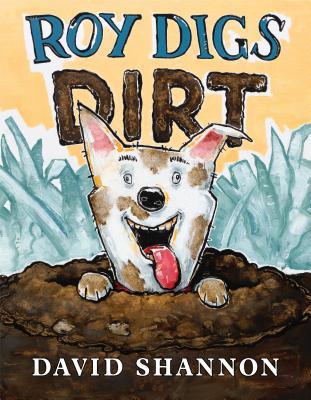
Themed Read: Roy Digs Dirt by David Shannon
Week 5 Stations:
Pouring Station (Wet) (see here)
Kinetic Sand (Dry) (see here)
Color the Parachute (Art) (see here)
Pool Noodle Sort (Dry) (see here)
Feed the Croc (Dry) (see here)
Dino Bath (Wet)
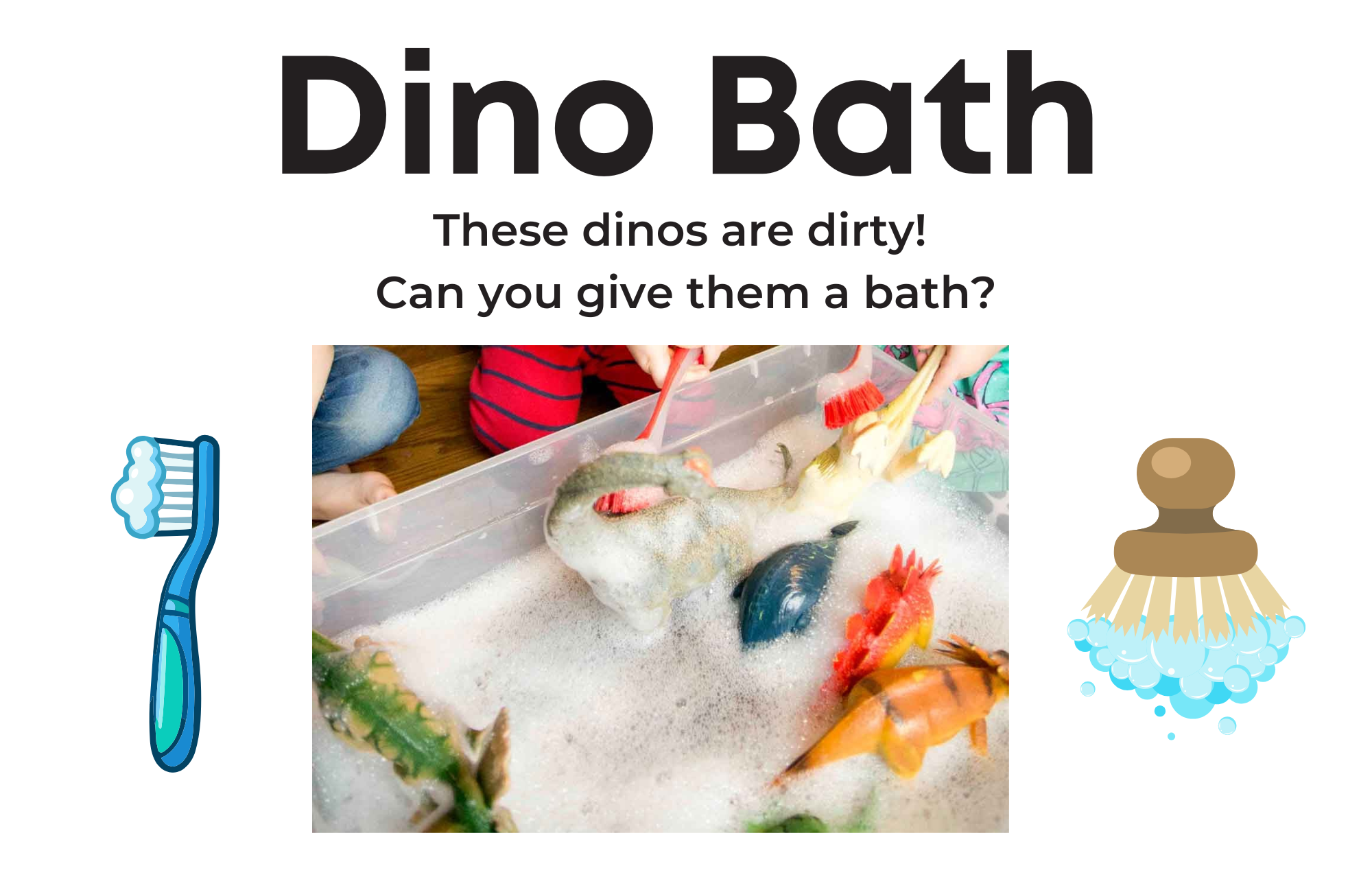
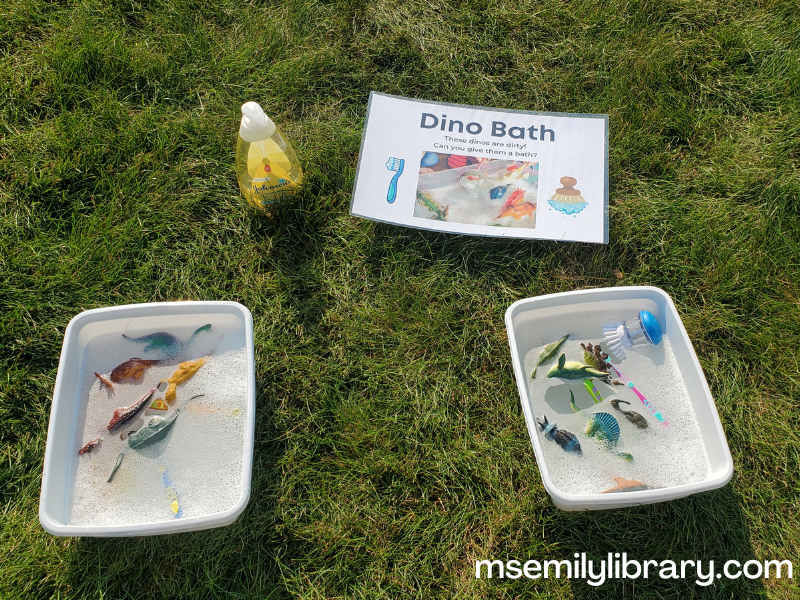
My first year doing outdoor stations I did an animal washing station, which included two bins of dirt and two bins of clean water with soap in it. I didn’t want to just dig dirt from outside and I didn’t want potting soil with fertilizer in it, so I bought this coconut coir which really didn’t work very well – the water didn’t absorb and it never really made “mud,” which was my intention. This year I wanted to do dino washing, but was trying to think my way around the issues I had the first time around. Then I saw this post from Busy Toddler and they framed it as a Dino Bath, which eliminated the need for the mud and solved all my problems. I had everything I needed: dino figures, no tears baby shampoo, kid toothbrushes and dish scrubbers. The baby shampoo bottle is included in the photo for the blog, but I put it away during the program.
Ice Play (Wet)
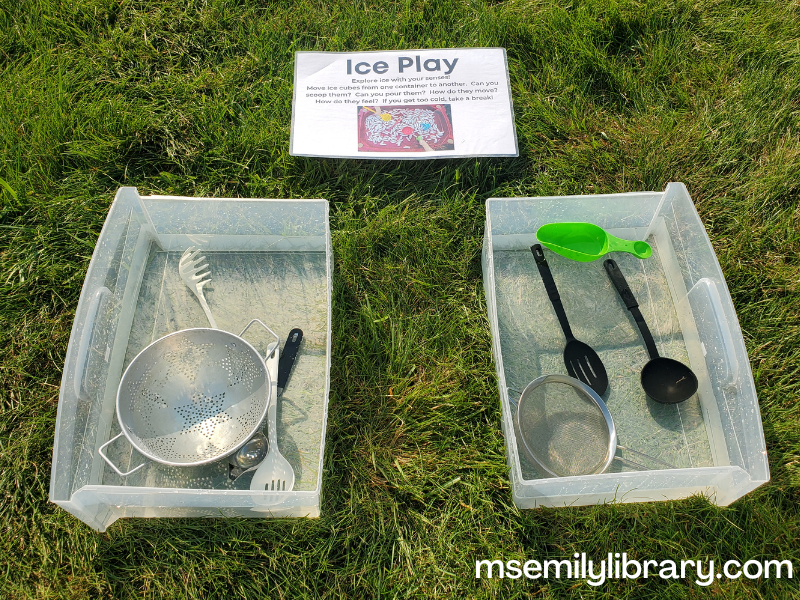
Another repeat from years past. I bought a large bag of ice each morning before my program and kept it in a cooler, adding it to the bins JUST before they were played in (so there’s no ice shown in the photos I took before the program). Ladles, colanders, and sieves were added for handling the ice. I reminded everyone to take a break if their fingers started to get too cold. Original idea (and photo on the sign) from Busy Toddler.

Ball Toss (Dry/Movement)
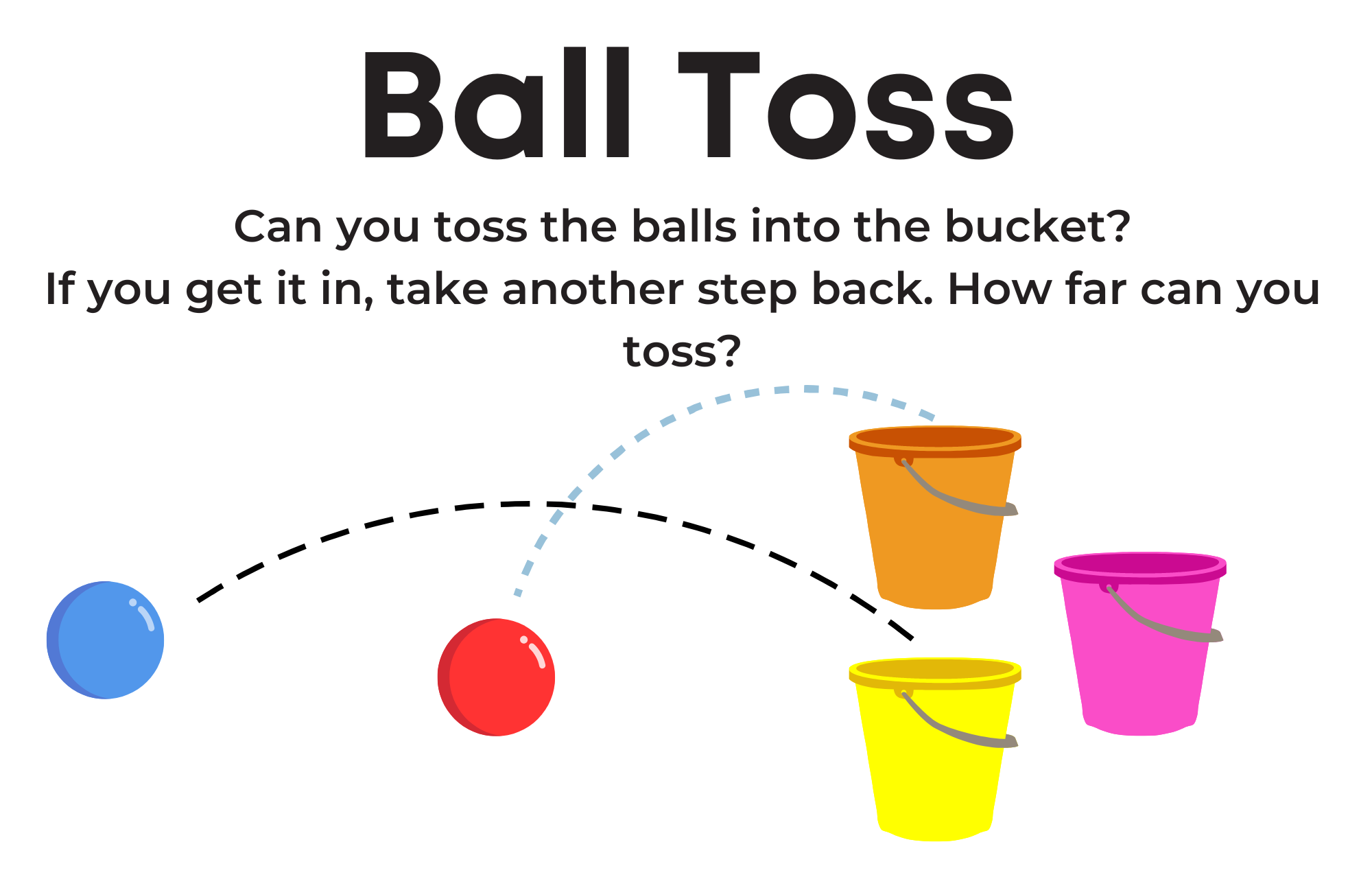
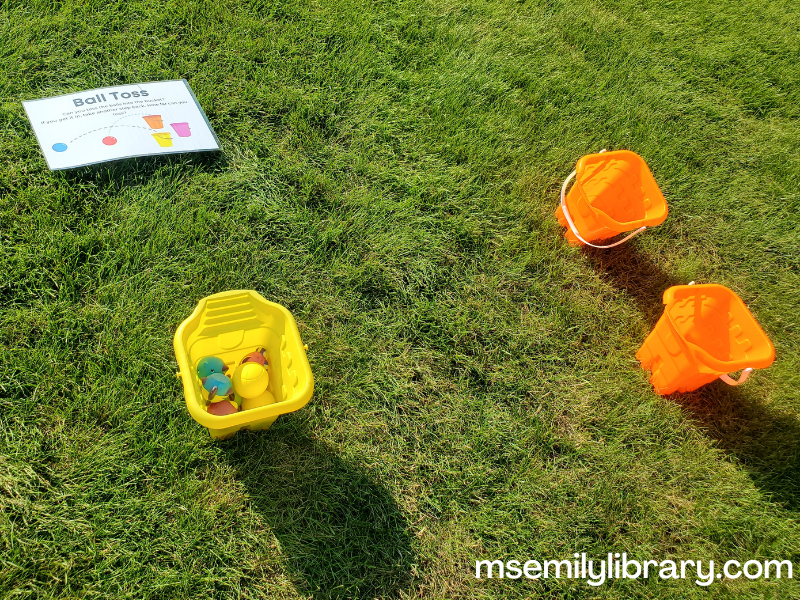
We had two semi-soft balls in our athletic equipment, but I was hoping to have some more, so I added some round fish squirter bath toys that we had in our prize stash from many years ago. Add buckets and you’ve got an easy movement station.
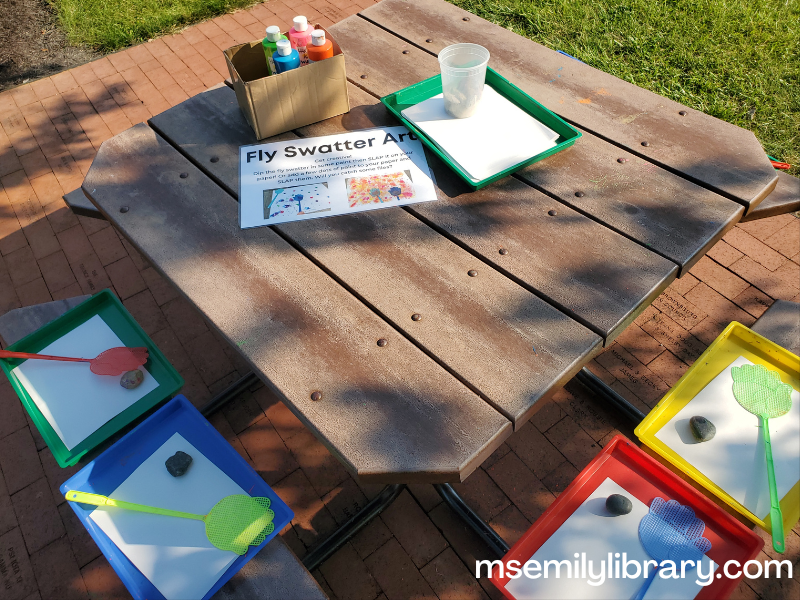
Fly Swatter Painting (Art)
A messy but very fun art project, using (re-using) supplies from other stations. Kids wielded fly swatters to slap at paint, making some very interesting abstract art. I think the best method turned out to be adding some dots of paint to the paper, then letting the kids aim for them, rather than trying to spread paint on the swatter. I’m grateful for good weather all that week, since this is very much an outdoor activity. Original idea (and photo on the sign) from Play Teach Repeat.

Week 6: Unearth Stories of the Past 7/22, 7/23/26
Intro: This week we’re talking about stories of the past, which can take some digging to find. Have you ever heard a story from your parents or grandparents about what life was like when they were little kids?
Here’s a silly rhyme about a grandma and a grandpa – they both wear glasses and hats!
I really emphasize grandpa’s glasses and hat being BIG and use a low growly voice, and of course we do loud snores.
Action Rhyme: Here are Grandma’s Glasses
Here are grandma’s glasses (make circles around eyes)
And here is Grandma’s hat, (fold hands on top of head)
Here’s the way she folds her hands (fold hands)
And puts them on her lap. (place hands in lap)
Here are Grandpa’s glasses, (make BIGGER circles around eyes)
Here is Grandpa’s hat, (make BIG hands on top of head)
Here’s the way he folds his arms (fold arms)
And has a little nap. (pretend to sleep/snore)
Source: Storytime Secrets
Such a beautiful book. I got a lot of smiles for this one.
Themed Read: Alma and How She Got Her Name by Juana Martinez-Neal

Week 6 Stations:
Pouring Station (Wet) (see here)
Kinetic Sand (Dry) (see here)
Color the Parachute (Art) (see here)
Colored Ball Sort (Dry) (see here)
Pompom Sort (Dry) (see here)
Clothespin Dinos (Dry) (see here)
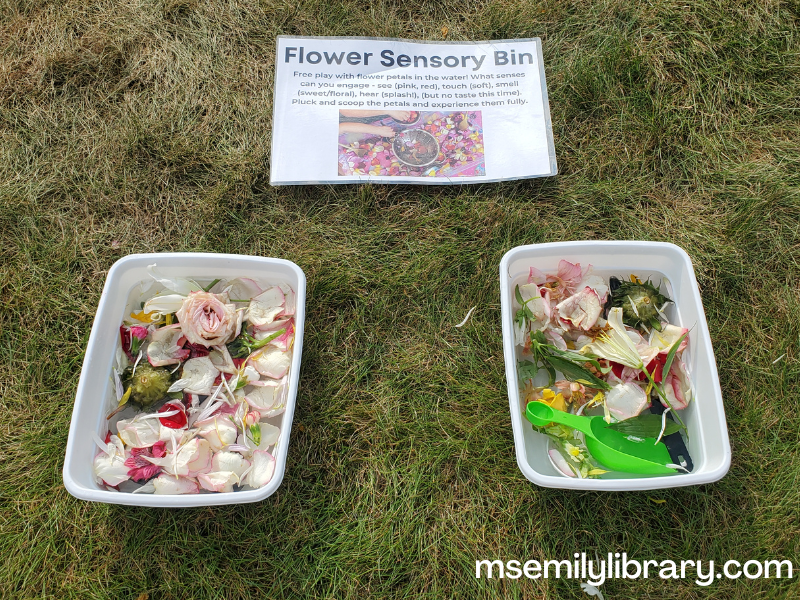
Flower Sensory Bin (Wet)
To stock this bin, we ask our local Kroger florist for donations of flowers and greenery that are past their prime and may be destined for the trash. This year, they gave us a whole pail full of cuttings, with lots of variety, including roses, mums, carnations, and even a sunflower. A true sensory feast!

Whisking Bubbles (Wet)
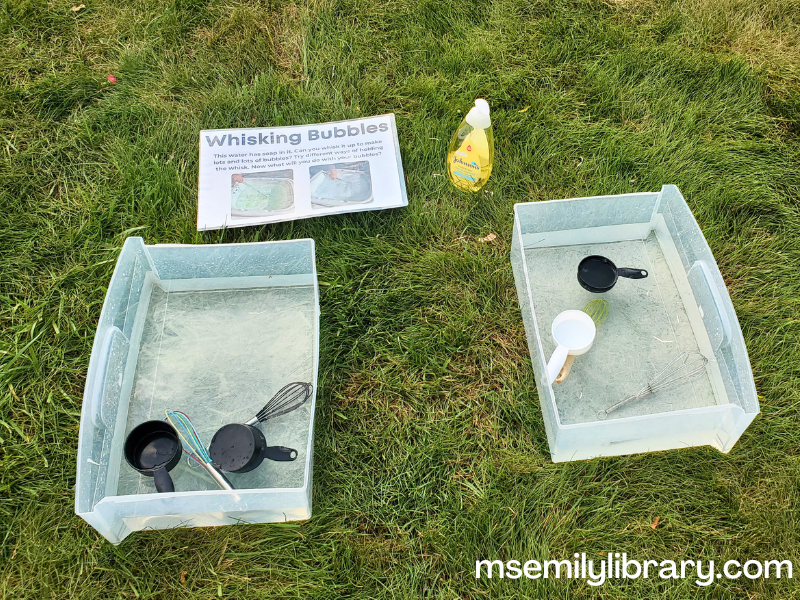
Using our trusty no-tears baby shampoo once again, this was a simple set up with water, soap, whisks, and a few measuring cups for scooping. I love the way this one smells. I included the shampoo bottle in the photo for this blog, but did not have it out during the program.

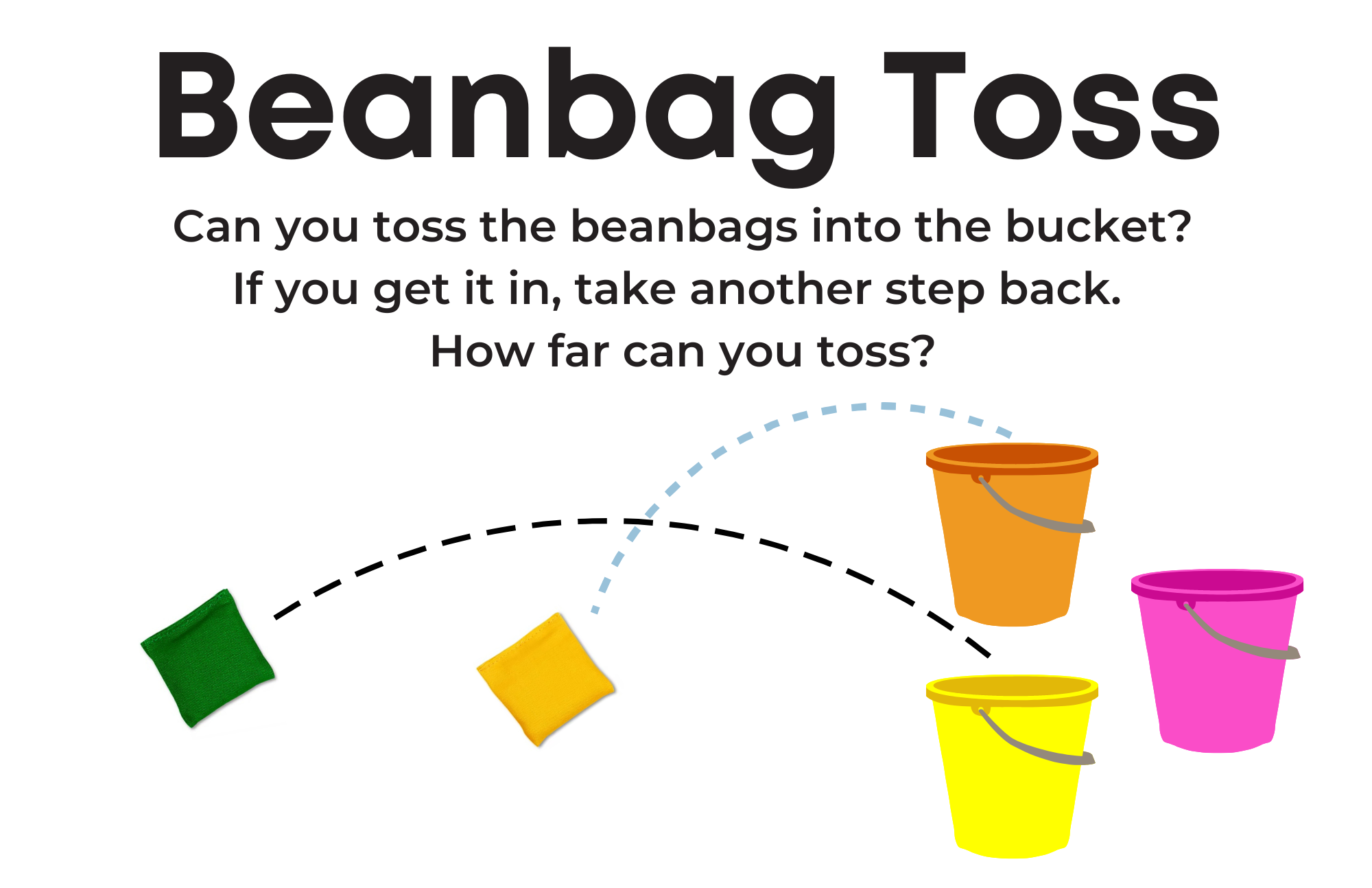
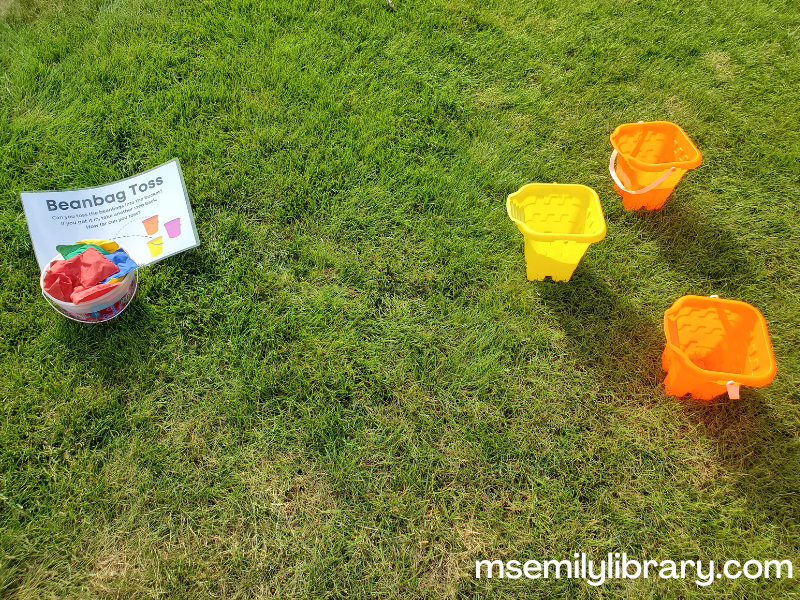
Beanbag Toss with Buckets (Dry/Movement)
We did a beanbag toss in week two, but switched to bucket targets instead of hula hoops this time around. (In week two, the buckets were being used for the Ice Treasure Hunt.)
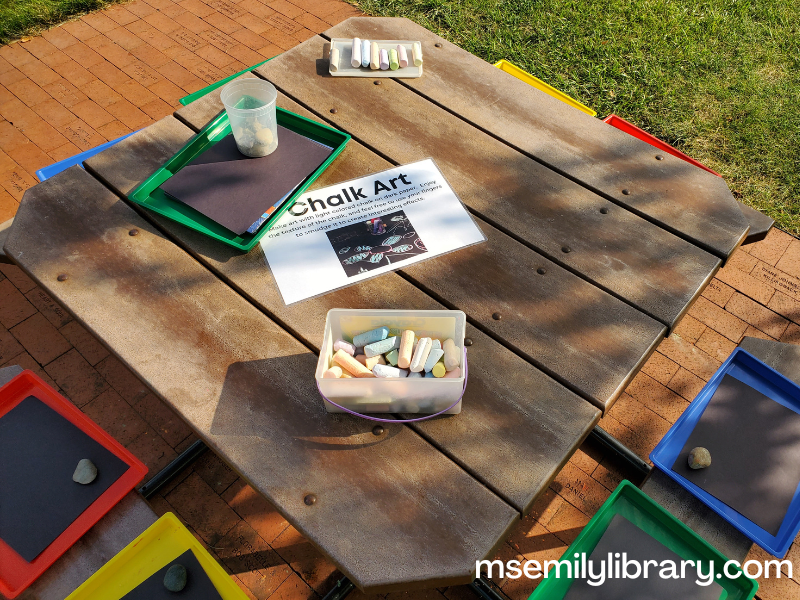
Chalk Art (Art)
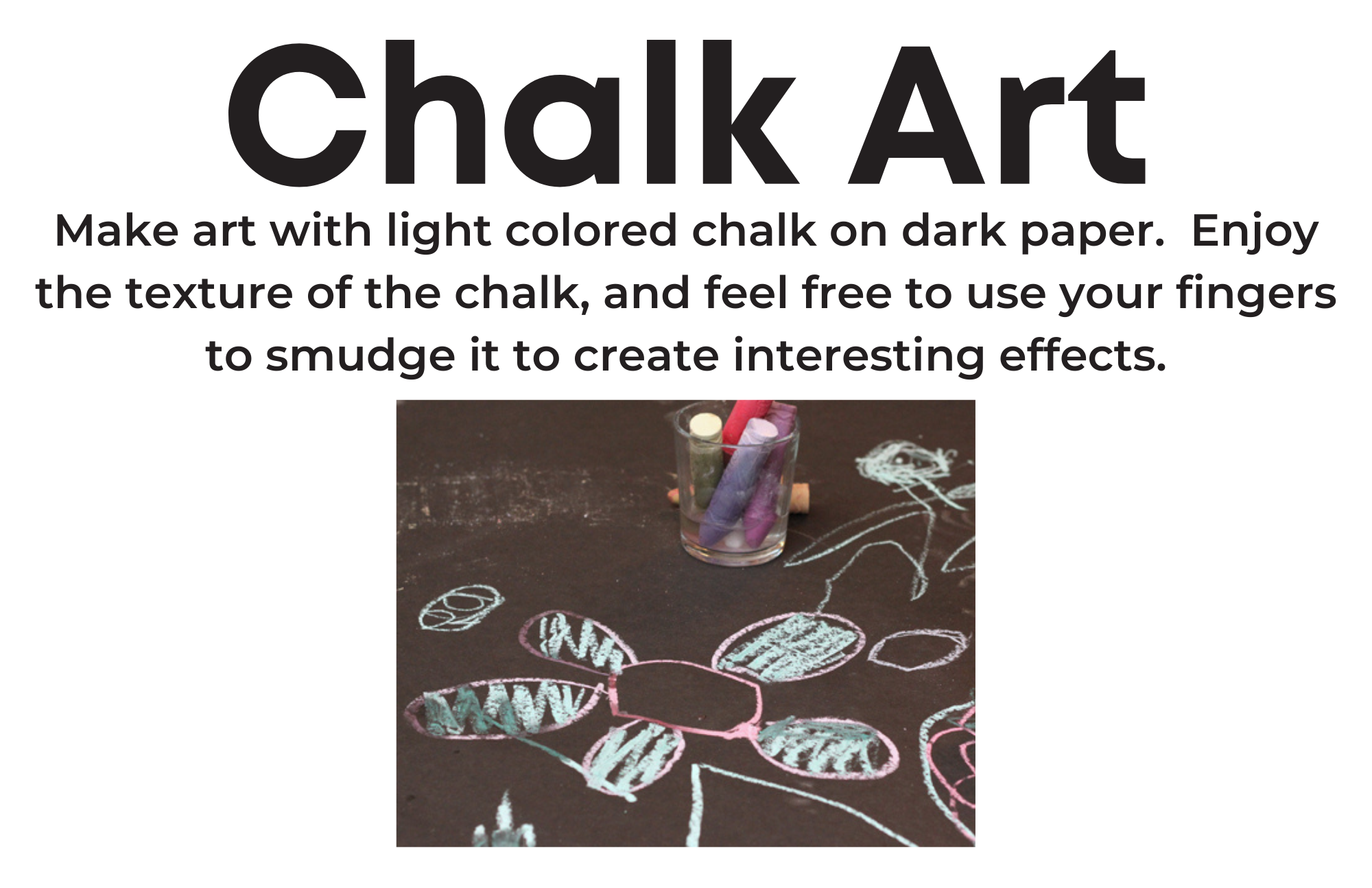
Because the area where we do outdoor storytime has bricks laid down instead of concrete, we can’t really do chalk art on the ground (if we did, that’s totally what I’d do here!). Instead, I provide black construction paper with the sidewalk chalk and let them be creative!
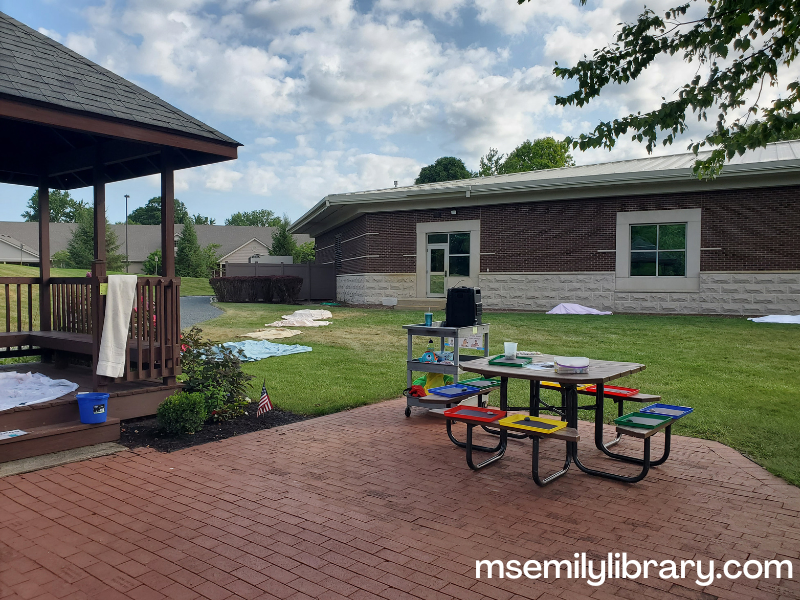
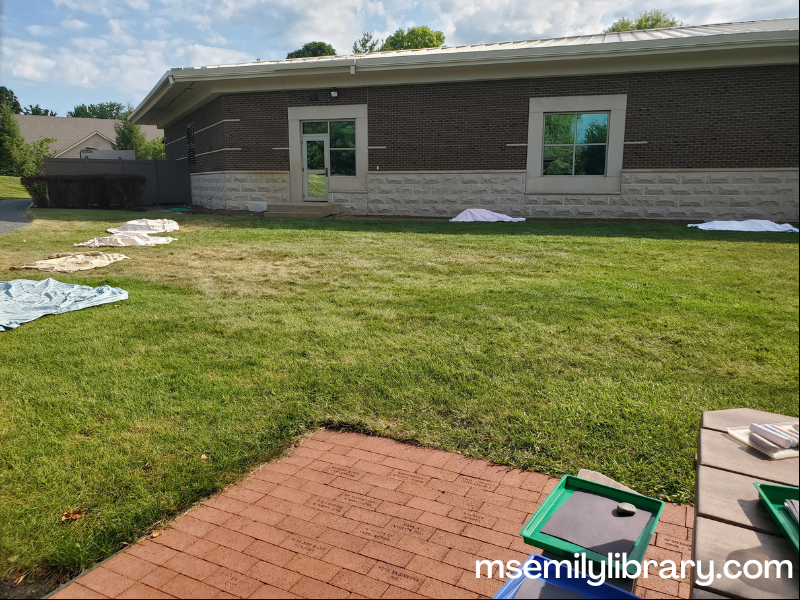
I took a few extra photos this year, to help give a sense of our space and layout. If you ever have questions about any outdoor storytime or sensory stations, feel free to ask!
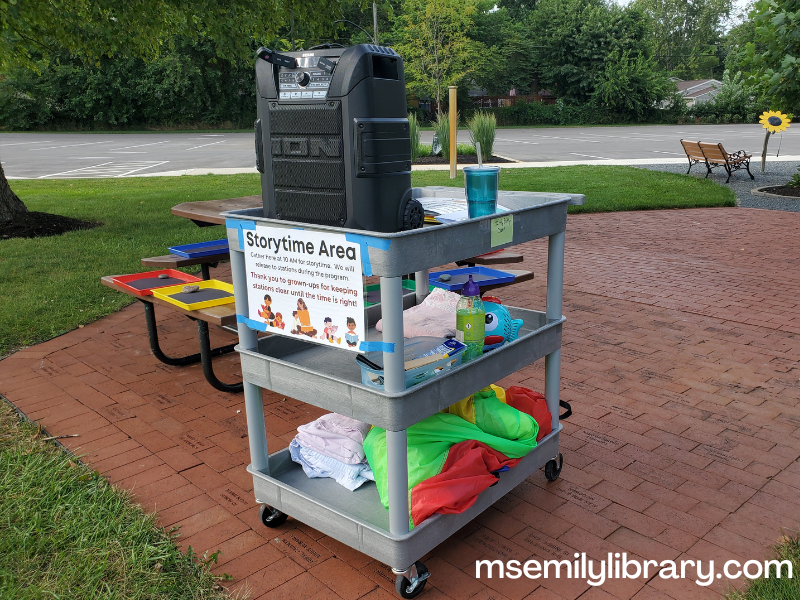
Back to indoor storytimes next week – upcoming themes include Art, Garbage Trucks, Ice Cream, and more!













 Storytime with Ms. Emily Library